






By using this site, you agree to the Privacy Policy and Terms of Use.
Accept
Gulf PressGulf Press
  • Gulf News
    • Saudi Arabia
    • UAE
    • Oman
    • Kuwait
    • Qatar
    • Bahrain
  • Business
  • Technology
  • Real Estate
  • Sport
  • Travel
  • Lifestyle
  • Rankings
  • Explained
  • Opinion
Search
Countries
More Topics
Site Links
  • Newsletter
  • Terms
  • About Us
  • Advertise with us
  • Contact Us
© 2023 Gulf Press. All Rights Reserved.
Reading: Professor from GU-Q says renewable energy is not sustainable without justice
Share
Notification Show More
Latest News
Abdullah bin Hamad Al-Attiyah 50 Years of Energy Leadership
Qatar
Two Emergency Spinal Surgeries Succeed at Rustaq Hospital
Oman
Electricity Services Committee Approves Energy Storage Sites in Al-Mutlaa and Jabir Al-Ahmad
Kuwait
Foreign Minister Strengthens Friendship and Cooperation Ties with the Philippines
Bahrain
Post-Eid Return Shock: 8 Health Issues Dragging Employee Productivity
UAE
Aa
Gulf PressGulf Press
Aa
  • Gulf News
  • Business
  • Technology
  • Real Estate
  • Sport
  • Travel
  • Lifestyle
  • Rankings
  • Explained
  • Opinion
Search
  • Gulf News
    • Saudi Arabia
    • UAE
    • Oman
    • Kuwait
    • Qatar
    • Bahrain
  • Business
  • Technology
  • Real Estate
  • Sport
  • Travel
  • Lifestyle
  • Rankings
  • Explained
  • Opinion
Have an existing account? Sign In
Follow US
  • Terms
  • About Us
  • Advertise with us
  • Contact Us
© 2023 Gulf Press. All Rights Reserved.

Home » Professor from GU-Q says renewable energy is not sustainable without justice

Gulf News

Professor from GU-Q says renewable energy is not sustainable without justice

News Room
Last updated: 2024/11/12 at 5:30 AM
News Room
Share
3 Min Read
SHARE

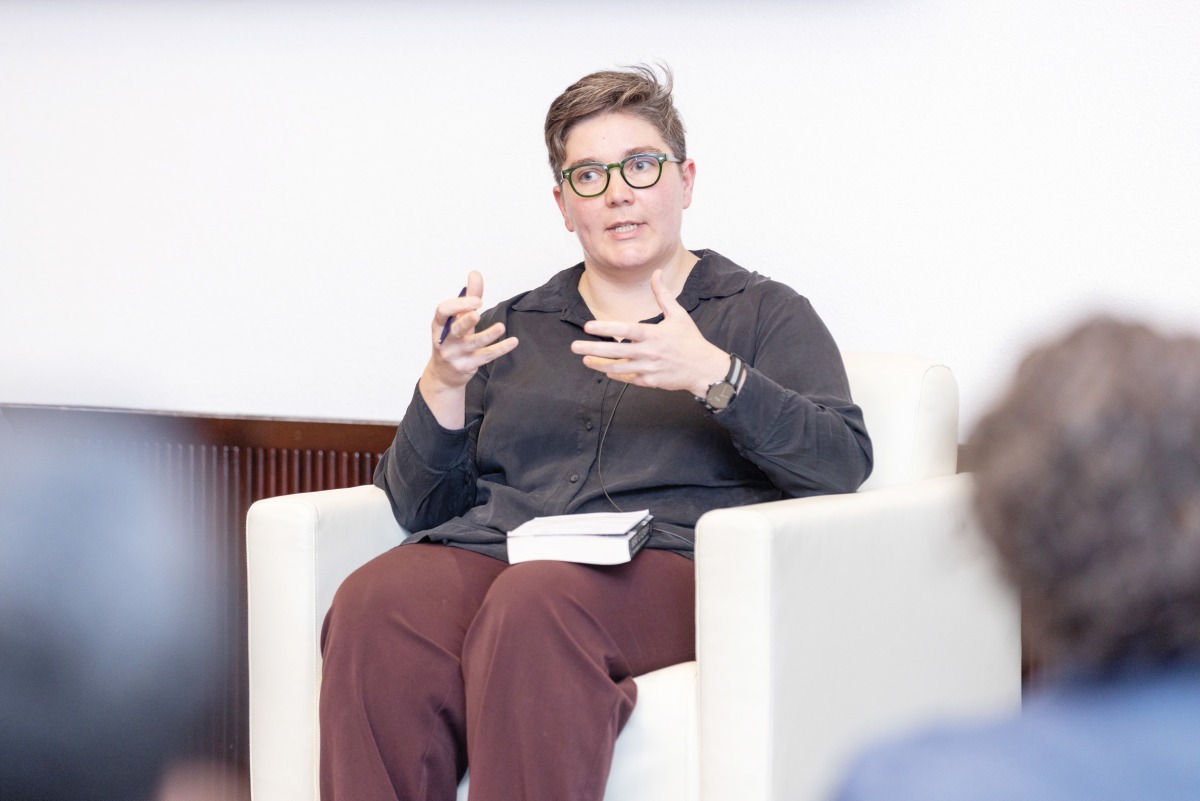
Energy governance plays a crucial role in shaping a country’s political system and agenda, as historian Trish Kahle explains in her new book, ‘Energy Citizenship: Coal and Democracy in the American Century.’ During the book launch event at Georgetown University in Qatar, Kahle emphasized that energy is more than just a resource—it is a relationship between people that deeply impacts society. Her research focuses on the human aspects of energy, specifically looking at the history of coal miners in America and their influence on laws and politics in the country.

Delving into coal miner archives and oral histories, Kahle found surprising connections between US foreign affairs and coal towns in the country. She discovered that military tactics used to suppress miner organizing were influenced by experiences in places like the Philippines and US-Mexico borderlands. The actions of miners ultimately brought the human cost of energy production to the forefront of energy policymaking, leading to significant rights and concessions for energy laborers.

Kahle’s book not only sheds light on the history of American coal miners but also explores broader global trends impacting governance and injustice worldwide. By highlighting the role of coal miners in shaping foundational energy justice principles, the book offers a new perspective critical to discussions on sustainable energy transitions. It challenges the traditional focus on environmental costs and benefits of energy production and emphasizes the importance of considering the human costs and benefits.

Throughout her research, Kahle examines the struggles of coal miners from the Progressive Era to President Reagan’s election, emphasizing the contradictions within the industry. While coal mines have been engines of democratic politics, they have also been sources of violence, oppression, and environmental destruction. This calls for a reevaluation of energy production to prioritize the well-being of energy laborers, whether at home or abroad. Energy policy must center on human rights and justice rather than solely focusing on environmental considerations.

In today’s push for decarbonization and the transition to renewable energy sources, Kahle’s work serves as a reminder of the importance of addressing global inequality and extractivism. She warns that simply transitioning to renewables will not automatically lead to energy justice if the same forms of exploitation and injustice persist. As industries drive the renewables market through cobalt mines in the Congo and lithium mines in Latin America, it is essential to consider the human implications of these processes. By learning from history and reimagining energy governance, there is still an opportunity to create a more just and sustainable energy future.


Sign Up For Daily Newsletter

Be keep up! Get the latest breaking news delivered straight to your inbox.
I have read and agree to the terms & conditions
By signing up, you agree to our Terms of Use and acknowledge the data practices in our Privacy Policy. You may unsubscribe at any time.
Share this Article
Facebook Twitter Copy Link Print
Previous Article Piyush Goyal emphasizes the need for a collective effort to achieve $2 trillion export target by 2030
Next Article Today's Gold Price in the Philippines: Drop in Gold Prices, According to FXStreet Data Today’s Gold Price in the Philippines: Drop in Gold Prices, According to FXStreet Data
Leave a comment Leave a comment

Leave a Reply Cancel reply

Your email address will not be published. Required fields are marked *

Stay Connected

235.3k Followers Like
69.1k Followers Follow
56.4k Followers Follow
136k Subscribers Subscribe
- Advertisement -
Ad imageAd image

Latest News

Abdullah bin Hamad Al-Attiyah 50 Years of Energy Leadership
Qatar June 2, 2026
Two Emergency Spinal Surgeries Succeed at Rustaq Hospital
Oman June 2, 2026
Electricity Services Committee Approves Energy Storage Sites in Al-Mutlaa and Jabir Al-Ahmad
Kuwait June 2, 2026
Foreign Minister Strengthens Friendship and Cooperation Ties with the Philippines
Bahrain June 2, 2026

You Might also Like

Qatar

Abdullah bin Hamad Al-Attiyah 50 Years of Energy Leadership

June 2, 2026
Oman

Two Emergency Spinal Surgeries Succeed at Rustaq Hospital

June 2, 2026
Kuwait

Electricity Services Committee Approves Energy Storage Sites in Al-Mutlaa and Jabir Al-Ahmad

June 2, 2026
Bahrain

Foreign Minister Strengthens Friendship and Cooperation Ties with the Philippines

June 2, 2026
UAE

Post-Eid Return Shock: 8 Health Issues Dragging Employee Productivity

June 2, 2026
Saudi Arabia

Hajj Message: From Administration to Coexistence and Religious Moderation

June 2, 2026
UAE

Health Ministry Reveals 6 Ebola Symptoms Like Flu and 4 Travel Precautions

June 2, 2026
Saudi Arabia

Harvard Graduation Sees 70 Saudi Graduates From Elite Institutions

June 2, 2026
//

GulfPress is a modern Gulf media platform delivering trusted news, business insights, technology updates, real estate trends, travel stories, explainers, and rankings from across the GCC and the Middle East.

Quick Link

  • About Us
  • Editorial Policy
  • Corrections Policy
  • Advertise with us
  • Contact Us
  • Privacy Policy
  • Terms of use

How Topics

  • Gulf News
  • Business
  • Lifestyle

Sign Up for Our Newsletter

Subscribe to our newsletter to get our latest news instantly!

I have read and agree to the terms & conditions
Gulf PressGulf Press
Follow US

© 2023 Gulf Press. All Rights Reserved.

Join Us!

Subscribe to our newsletter and never miss our latest news, podcasts etc..

I have read and agree to the terms & conditions
Zero spam, Unsubscribe at any time.

Removed from reading list

Undo
Welcome Back!

Sign in to your account

Lost your password?