







Hajj management in Saudi Arabia’s latest season
Saudi Arabia this year concluded another Hajj season that officials described as highly coordinated, showcasing advanced Hajj management across Mecca and Medina. The operation covered logistics, security and medical services for pilgrims from around the world over a compact time frame, authorities said. The scale and timing made planning and real-time coordination critical to prevent disruptions and maintain smooth movement.
Reports indicate the country continued to deploy visa coordination, transport scheduling and digital platforms before pilgrims arrived, reducing pressure during peak days. This proactive approach contrasts with traditional event management and highlights system-level planning that begins months in advance.
Hajj management: integrated planning and digital tools
The Kingdom has shifted from reactive crowd oversight to integrated, predictive planning, officials said. Coordinated visa allocations, quota arrangements with sending countries and pre-arrival digital briefings aim to manage flows before pilgrims set foot in the country.
Additionally, authorities have expanded the use of data analytics, real-time monitoring and automated alerts to anticipate bottlenecks. Analysts note that these systems allow managers to reroute flows, adjust transport timetables and communicate directly with pilgrim groups, enhancing situational awareness and reducing delays.
Furthermore, the digital first approach supports multilingual guidance and streamlines permit issuance and accommodation assignments, which together contribute to measurable reductions in congestion risks. The result is an operational model that treats Hajj management as a continuous process rather than a seasonal event.
Security and crowd control strategies
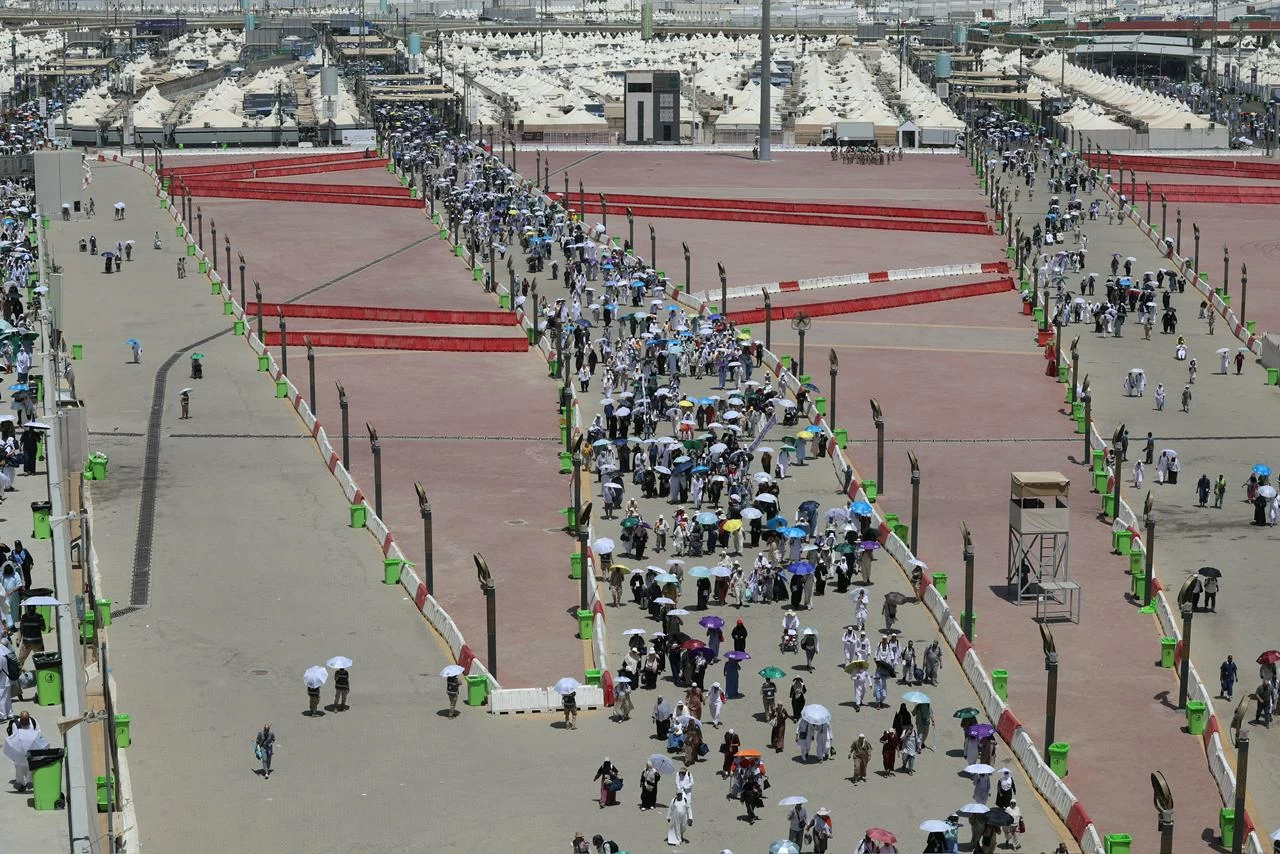
Security planners face the dual challenge of protecting millions while preserving pilgrimage rituals that require continuous movement, officials said. Emphasis has broadened from static policing to dynamic crowd control, with traffic management, temporary routing and layering of staff to guide pilgrims.
Emergency response teams and contingency plans for infrastructure incidents operate alongside routine security duties to ensure rapid assistance when needed. Analysts point out that successful crowd control combines anticipatory planning, robust communications and decentralized decision-making on the ground.
Moreover, cooperation with international partners and liaison officers at arrival points helps align expectations and brief groups on local procedures, which in turn reduces confusion and enhances overall safety. This coordinated posture is central to maintaining both order and the spiritual atmosphere of the rites.
Public health readiness and medical services
Public health readiness has become a pillar of Hajj operations, with health authorities emphasizing surveillance, prevention and rapid treatment, the ministry stated. Mobile clinics, designated hospitals and emergency medical teams work in concert to respond to routine and acute needs during peak periods.
Health officials continue to refine vaccination advice, sanitation campaigns and patient transfer protocols based on recent seasons and global guidance, signaling a learning approach to large-scale health risk management. In addition, data-driven monitoring helps identify emerging clusters and allocate resources where they are most needed.
These capabilities are supplemented by public information campaigns in multiple languages and partnerships with sending countries to ensure pilgrims arrive with required health documentation and awareness. The layered public health strategy contributes to resilience against seasonal and unexpected medical risks.
Economic investment, infrastructure and soft power
The Hajj also functions as a major public investment and international relations instrument, according to observers. Saudi authorities have directed sustained funding toward the expansion and maintenance of holy sites, transport networks and digital infrastructure to accommodate growing demand over time.
Investment decisions are presented as long-term commitments rather than seasonal spending, and officials link many projects to Saudi Vision 2030 objectives that prioritize service quality and visitor experience. As a result, pilgrims who return home often carry personal impressions of the Kingdom’s organization and hospitality, reinforcing diplomatic and cultural ties.
Furthermore, the visible efficiency of the season can amplify Saudi soft power by projecting competence in managing complex humanitarian and religious duties. Analysts say this reputational dimension complements domestic goals to modernize infrastructure and public services.
Institutional learning and the path ahead
Officials emphasize that the key achievement is repeatability: the ability to reproduce high performance year after year while incorporating corrective lessons. Institutionalization of processes—training, technology adoption and international coordination—supports steady improvement, the ministry indicated.
Looking forward, authorities said they will continue to expand capacity and refine digital and logistical systems under broader national plans. Stakeholders and observers should watch for official announcements on capacity targets and new technology deployments ahead of the next Hajj season.
In sum, Saudi Hajj management has evolved into a complex, continuously improving system that integrates logistics, security, health and diplomacy. The next milestones will be the rollout of planned infrastructure upgrades and further integration of predictive analytics to sustain safe and efficient pilgrimage operations.