







Bahrain-Philippines relations strengthened in recent foreign ministers’ call
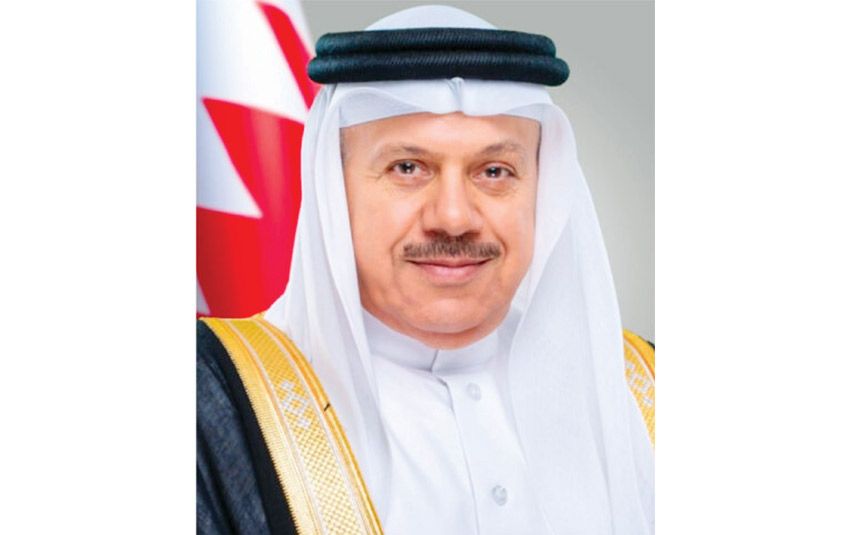
Recent diplomatic engagement underscored Bahrain-Philippines relations when Bahrain’s Foreign Minister Dr. Abdullatif bin Rashid Al Zayani received a telephone call from Maria Teresa Lazaro, the Philippine foreign minister, according to an official statement. The call addressed bilateral cooperation and ways to deepen ties across political, economic and consular fields. Officials said the discussion also touched on coordination between the Gulf Cooperation Council and ASEAN under current leadership cycles.
Details of the foreign ministers’ phone call
During the conversation, ministers reviewed existing channels of cooperation and identified areas for enhanced exchange, the ministry stated. The call covered consular protection, trade facilitation and cultural links that bind the two countries, while emphasizing mutual interests for migrant communities. Furthermore, both sides agreed to maintain regular contact and to pursue follow-up steps through diplomatic missions.
According to the statement, the ministers exchanged views on political and diplomatic coordination at multilateral fora. They highlighted mechanisms for joint positions and information-sharing, particularly where Bahrain-Philippines relations intersect with broader regional priorities. The discussion was described as constructive and geared toward actionable outcomes.
GCC-ASEAN cooperation and regional coordination
Officials also discussed GCC-ASEAN cooperation as part of the broader conversation, reflecting Bahrain’s regional role and the Philippines’ position within ASEAN. In the context of Bahrain’s current chairmanship of the Gulf Cooperation Council and the Philippines’ chairing of ASEAN, both ministers explored areas for institutional engagement, the ministry said. The exchange underscored the potential for coordinated initiatives on trade, security dialogues and people-to-people ties.
GCC-ASEAN cooperation has been an evolving pillar of international diplomacy, and the ministers noted opportunities for capacity building and joint economic forums. Additionally, they considered ways to expand cooperation in areas such as energy, logistics and digital trade facilitation. Officials suggested that deeper coordination could serve mutual strategic and economic interests across both regions.
Economic and consular implications
Strengthening Bahrain-Philippines relations carries direct implications for trade, investment and labour mobility. Both countries host expatriate communities and share commercial linkages that benefit from clearer consular channels and labor protections. The ministers discussed mechanisms to safeguard workers’ rights and improve coordination on migrant labor issues, according to the statement.
Furthermore, officials explored opportunities to boost bilateral trade and investment flows through business delegations and targeted agreements. Enhanced diplomatic engagement can reduce procedural barriers and encourage private-sector partnerships. Therefore, stakeholders in both countries may expect increased dialogue aimed at practical outcomes for commerce and workforce welfare.
Political and diplomatic coordination in international fora
Beyond bilateral matters, the ministers considered synchronization of positions in international organizations and multilateral settings. Bahrain-Philippines relations often intersect in areas such as maritime security, humanitarian assistance and regional stability, officials said. Coordinated diplomatic efforts can improve representation and amplify shared priorities at the United Nations and other global platforms.
Meanwhile, the two sides emphasized the value of regular consultations to harmonize approaches on global challenges. Such coordination may include joint initiatives, information exchanges and reciprocal support for international resolutions that reflect common interests. Observers noted that practical coordination can help both countries advance regional norms and policy objectives.
Institutional follow-up and diplomatic channels
Both foreign ministries signaled intent to use existing diplomatic channels for follow-up, including embassies and working groups. The statement indicated plans for technical-level meetings to map specific projects and timelines. In addition, ministers encouraged intergovernmental and private-sector engagement to support implementation of agreed priorities.
Implications for regional partnerships and next steps
The phone call reinforces momentum toward deeper Bahrain-Philippines relations and broader GCC-ASEAN engagement. Analysts say that sustained dialogue can translate into concrete cooperation on trade, security and human mobility. Therefore, stakeholders should watch for scheduled ministerial visits and the announcement of joint initiatives in the coming months.
Officials have pointed to follow-up talks between diplomatic missions as the immediate next step. Readers should expect technical meetings and potential memoranda of understanding that build on the ministers’ discussion. The ministry’s statement suggested that both capitals view the exchange as part of a continuing process rather than a one-off event.
Conclusion and what to watch next
The recent foreign ministers’ phone call reaffirmed Bahrain-Philippines relations and signaled a shared interest in enhancing cooperation across multiple domains. Moving forward, attention will center on concrete follow-up through embassies, technical committees and potential ministerial visits. Observers should watch for announcements on trade facilitation measures, labor arrangements and joint GCC-ASEAN activities over the coming months.
In summary, the exchange sets a practical agenda for deepening ties. Further developments are likely to emerge as officials translate dialogue into formal agreements and programmatic steps, with timelines to be communicated by the respective foreign ministries.