






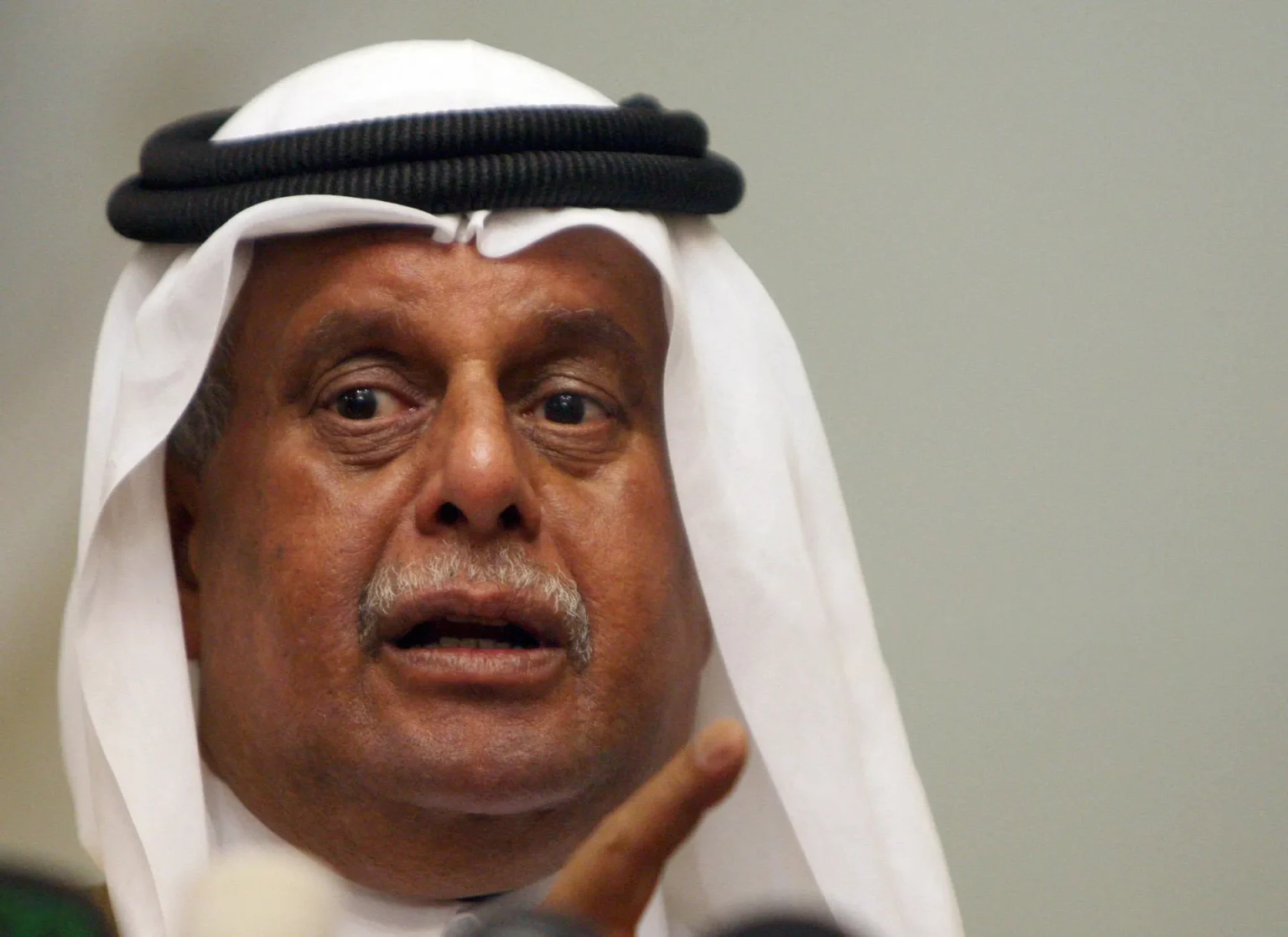

Abdullah bin Hamad Al-Attiyah and Qatar’s energy transformation
Abdullah bin Hamad Al-Attiyah, a central figure in Qatar’s energy policy, died on May 27, 2026, in London at age 74, officials said. The former long-serving energy minister and industry executive helped shape Qatar’s rise as a major liquefied natural gas exporter and was widely regarded as a key architect of national energy strategy.
Born in 1952 and educated in Alexandria, he held senior government and corporate roles for more than five decades, the ministry stated. His death, reported on the first day of Eid al-Adha, prompted condolences from government offices and energy institutions.
Career milestones and international leadership
Al-Attiyah began his public service in the early 1970s at the finance and petroleum ministry and rose through roles in international relations and fiscal affairs. In 1992 he was appointed minister of energy and industry and simultaneously served as CEO of Qatar Petroleum, overseeing major LNG expansion programs that positioned Qatar in global gas markets.
Meanwhile, he served in several international forums: he chaired OPEC’s sessions in the early 1990s, led the Gas Exporting Countries Forum at ministerial level in 2009, and presided over the UN climate conference hosted in Doha in 2012, according to conference records. Furthermore, he later held senior cabinet posts including deputy prime minister and head of the Amiri Diwan.
Impact on the Qatar energy sector and policy
As Qatar energy minister, Al-Attiyah championed policies that expanded LNG exports and attracted long-term international partnerships, a trajectory industry analysts have linked to Qatar’s sustained market influence. His tenure included strategic decisions on production, infrastructure investment and export contracts that helped cement Qatar’s position in regional and global gas supply chains.
Additionally, he promoted governance and transparency reforms within state energy entities, earning recognition at home and abroad. The foundation he established in 2015 focused on energy and sustainable development, reflecting an emphasis on linking resource management to broader economic planning.
Legacy in sports and national institutions
Beyond energy, Al-Attiyah was a prominent figure in Qatari sports administration as a founder and long-time president of Al Sadd club. Under his stewardship the club secured multiple domestic titles and became the first Arab club to win the Asian Club Championship in 1989, achievements that supporters and club officials have repeatedly acknowledged.
In addition, he chaired national planning committees and oversight bodies, contributing to administrative reforms that officials say strengthened public-sector transparency. His cross-sector roles left a footprint on sporting, economic and institutional development in Qatar.
Awards, honours and international recognition
Al-Attiyah received a range of national and foreign honors during his career, including high civilian orders and honorary doctorates from international universities. According to public records and university announcements, these awards recognized his role in advancing energy cooperation and development policy.
He was also acknowledged for facilitating multilateral dialogue on energy and climate, participating in UN and ministerial processes that sought to align resource management with sustainable development objectives.
Reaction and immediate implications
Government offices and energy sector entities issued statements mourning his passing and highlighting his decades-long service. Industry observers said his death marks the end of an era for a generation of officials who led state-driven energy expansion in the Gulf.
Furthermore, analysts noted that while Al-Attiyah’s direct influence had diminished in recent years, his policy choices remain embedded in Qatar’s energy architecture and contractual landscape, which continue to shape investment and diplomatic ties.
What comes next: watch points for Qatar’s energy policy
In the short term, attention will focus on official arrangements and memorials, as well as any statements from the energy ministry and state companies clarifying continuity plans. Meanwhile, market participants may monitor commentary from international partners and contract counterparties for indications of any administrative or strategic adjustments.
Longer term, policymakers and industry stakeholders will likely assess how institutional legacies influence future strategy on LNG capacity, low‑carbon transition initiatives, and regional cooperation. Observers should watch upcoming ministerial meetings and state planning committee sessions for signals about policy continuity and new priorities.
Conclusion and outlook
Abdullah bin Hamad Al-Attiyah played a defining role in Qatar’s modern energy development and held influential positions across government, industry and sport. As the country marks his passing, officials and analysts will evaluate both his legacy and the path forward for a sector facing shifting market and climate imperatives.
Readers should look for official timelines on funeral arrangements and any government reviews of energy policy in the weeks ahead, as authorities outline next steps and institutional responses to preserve strategic continuity.