






By using this site, you agree to the Privacy Policy and Terms of Use.
Accept
Gulf PressGulf Press
  • Gulf News
    • Saudi Arabia
    • UAE
    • Oman
    • Kuwait
    • Qatar
    • Bahrain
  • Business
  • Technology
  • Real Estate
  • Sport
  • Travel
  • Lifestyle
  • Rankings
  • Explained
  • Opinion
Search
Countries
More Topics
Site Links
  • Newsletter
  • Terms
  • About Us
  • Advertise with us
  • Contact Us
© 2023 Gulf Press. All Rights Reserved.
Reading: North Carolina Legislature Overrides Governor’s Veto of Anti-CBDC Bill
Share
Notification Show More
Latest News
Best AI Apps for Android and iPhone in 2026
Technology
Best Investment Opportunities in Saudi Arabia Right Now
Business
Best Browser Extensions for Productivity in 2026 to Save Time
Rankings
Deepfake Technology Explained: What It Is and Why It’s Dangerous
Explained
How to Communicate Better in a Relationship Without Fighting
Lifestyle
Aa
Gulf PressGulf Press
Aa
  • Gulf News
  • Business
  • Technology
  • Real Estate
  • Sport
  • Travel
  • Lifestyle
  • Rankings
  • Explained
  • Opinion
Search
  • Gulf News
    • Saudi Arabia
    • UAE
    • Oman
    • Kuwait
    • Qatar
    • Bahrain
  • Business
  • Technology
  • Real Estate
  • Sport
  • Travel
  • Lifestyle
  • Rankings
  • Explained
  • Opinion
Have an existing account? Sign In
Follow US
  • Terms
  • About Us
  • Advertise with us
  • Contact Us
© 2023 Gulf Press. All Rights Reserved.

Home » North Carolina Legislature Overrides Governor’s Veto of Anti-CBDC Bill

Gulf News

North Carolina Legislature Overrides Governor’s Veto of Anti-CBDC Bill

News Room
Last updated: 2024/09/10 at 11:27 AM
News Room
Share
3 Min Read
SHARE

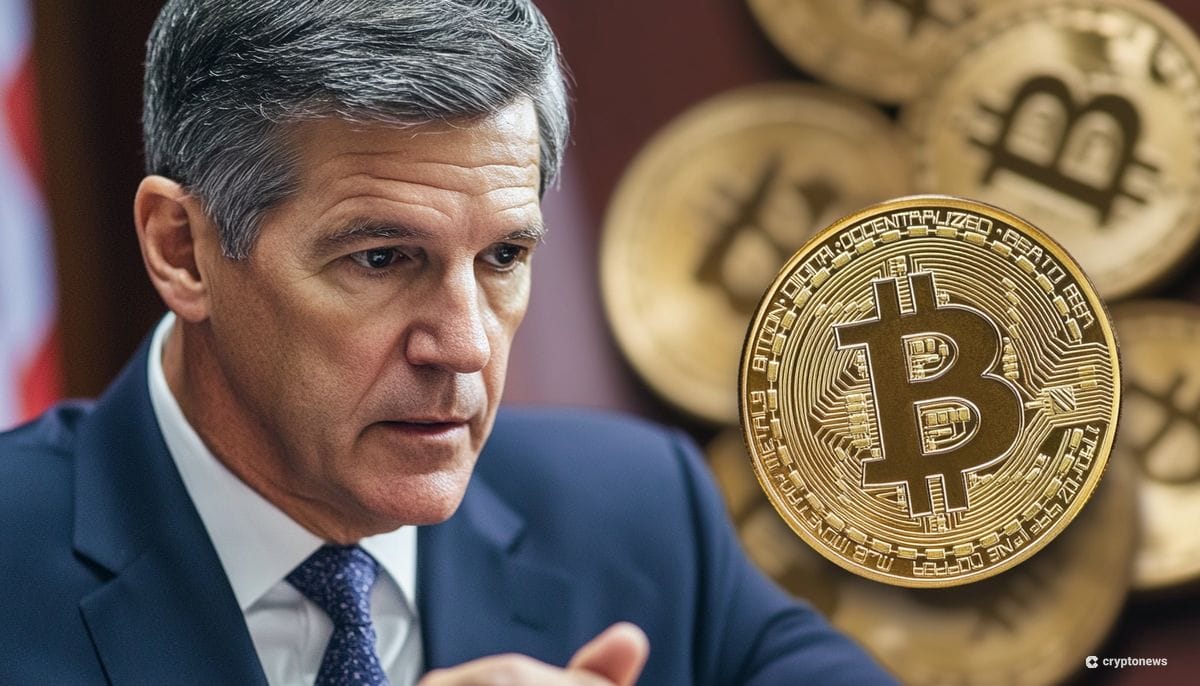
In a recent development, the North Carolina General Assembly has successfully overridden Governor Roy Cooper’s veto of House Bill 690, which prohibits the state from accepting central bank digital currencies (CBDCs) as payment and from participating in any Federal Reserve testing of CBDCs. This move reflects growing concerns over CBDCs’ impact on financial privacy and state sovereignty, as well as a broader national resistance to federal control over digital currencies. The legislative journey to pass House Bill 690 has been contentious, demonstrating deep partisan divides and concerns over the state’s role in the digital currency landscape.

The bill was initially passed by the North Carolina House of Representatives with a significant majority vote of 109-4 and by the Senate with a 39-5 vote. However, Governor Roy Cooper, a Democrat, vetoed it on July 5, citing concerns that the legislation was premature, vague, and reactionary. Despite the veto, the Republican-majority legislature swiftly challenged it and, on September 9, the Senate voted 27-17 to override Cooper’s veto, just surpassing the required 60% majority. The latest Senate vote revealed a stark partisan shift, with Senate Democrats who initially supported the bill aligning with the governor’s position. Industry experts criticized the veto, highlighting the missed opportunity to signal strong opposition to the Federal Reserve’s exploration of CBDCs.

North Carolina’s stance is part of a broader national debate on the future of CBDCs in the United States, as the Federal Reserve explores the potential issuance of a CBDC. While the Fed has outlined possible benefits of a CBDC, such as increased payment efficiency and financial inclusion, concerns remain about risks to financial stability, privacy, and the role of the banking system. Federal Reserve Chair Jerome Powell has emphasized that the Fed would only proceed with explicit congressional approval and would issue CBDCs through the existing banking system rather than directly to consumers. However, state-level apprehensions persist, as evidenced by North Carolina’s legislative actions and moves at the federal level to prevent direct issuance of CBDCs to individuals.

The legislation passed by North Carolina prohibits the acceptance of CBDCs for state payments and any state involvement in future Federal Reserve CBDC testing programs. This approach could serve as a model for similar legislative efforts across the country, especially in regions where skepticism toward federal involvement in digital currencies is high. Overall, North Carolina’s decisive action highlights the complex relationship between state and federal authorities in regulating and implementing digital currencies, as well as the ongoing debate over the impact of CBDCs on financial privacy and state sovereignty. As the CBDC landscape continues to evolve, state-level resistance to federal control may become a defining factor in shaping the future of digital currencies in the United States.


Sign Up For Daily Newsletter

Be keep up! Get the latest breaking news delivered straight to your inbox.
I have read and agree to the terms & conditions
By signing up, you agree to our Terms of Use and acknowledge the data practices in our Privacy Policy. You may unsubscribe at any time.
Share this Article
Facebook Twitter Copy Link Print
Previous Article Prime Minister congratulates the newly appointed Prime Minister of France
Next Article Mexican Peso edges lower as government aims to pass crucial reform bill Mexican Peso edges lower as government aims to pass crucial reform bill
Leave a comment Leave a comment

Leave a Reply Cancel reply

Your email address will not be published. Required fields are marked *

Stay Connected

235.3k Followers Like
69.1k Followers Follow
56.4k Followers Follow
136k Subscribers Subscribe
- Advertisement -
Ad imageAd image

Latest News

Best AI Apps for Android and iPhone in 2026
Technology June 2, 2026
Best Investment Opportunities in Saudi Arabia Right Now
Business June 2, 2026
Best Browser Extensions for Productivity in 2026 to Save Time
Rankings June 2, 2026
Deepfake Technology Explained: What It Is and Why It’s Dangerous
Explained June 2, 2026

You Might also Like

Qatar

Abdullah bin Hamad Al-Attiyah 50 Years of Energy Leadership

June 2, 2026
Oman

Two Emergency Spinal Surgeries Succeed at Rustaq Hospital

June 2, 2026
Kuwait

Electricity Services Committee Approves Energy Storage Sites in Al-Mutlaa and Jabir Al-Ahmad

June 2, 2026
Bahrain

Foreign Minister Strengthens Friendship and Cooperation Ties with the Philippines

June 2, 2026
UAE

Post-Eid Return Shock: 8 Health Issues Dragging Employee Productivity

June 2, 2026
Saudi Arabia

Hajj Message: From Administration to Coexistence and Religious Moderation

June 2, 2026
UAE

Health Ministry Reveals 6 Ebola Symptoms Like Flu and 4 Travel Precautions

June 2, 2026
Saudi Arabia

Harvard Graduation Sees 70 Saudi Graduates From Elite Institutions

June 2, 2026
//

GulfPress is a modern Gulf media platform delivering trusted news, business insights, technology updates, real estate trends, travel stories, explainers, and rankings from across the GCC and the Middle East.

Quick Link

  • About Us
  • Editorial Policy
  • Corrections Policy
  • Advertise with us
  • Contact Us
  • Privacy Policy
  • Terms of use

How Topics

  • Gulf News
  • Business
  • Lifestyle

Sign Up for Our Newsletter

Subscribe to our newsletter to get our latest news instantly!

I have read and agree to the terms & conditions
Gulf PressGulf Press
Follow US

© 2023 Gulf Press. All Rights Reserved.

Join Us!

Subscribe to our newsletter and never miss our latest news, podcasts etc..

I have read and agree to the terms & conditions
Zero spam, Unsubscribe at any time.

Removed from reading list

Undo
Welcome Back!

Sign in to your account

Lost your password?