








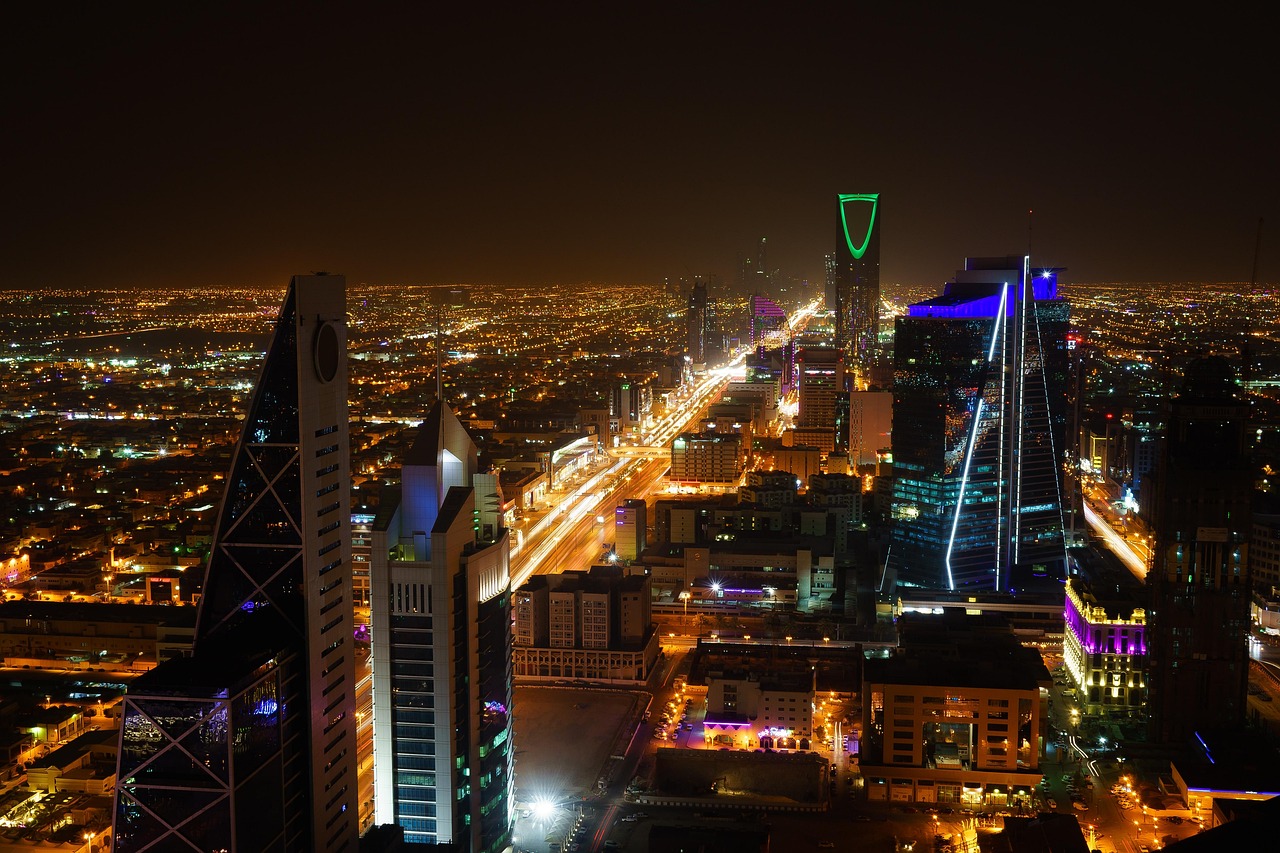

Saudi Arabia has become one of the most dynamic destinations for investors and business travelers. The best investment opportunities in Saudi Arabia right now sit at the intersection of Vision 2030 reforms, large state-backed projects, and growing private-sector demand. Key sectors include tourism and hospitality, renewable energy, logistics and industrial zones, technology startups, and selective real estate plays near new giga-projects like NEOM and the Red Sea Project.
If you plan to visit to assess deals, you’ll find robust infrastructure—major airports in Riyadh, Jeddah and Dammam, international hotel brands, and well-staffed economic cities that welcome foreign capital. Travel preparation matters: organize meetings with local advisors, check entry and business requirements with official sources, and build time into your itinerary to inspect project sites and meet regulators or joint-venture partners.
Quick Answer
The best investment opportunities in Saudi Arabia right now are tourism and hospitality around giga-projects, renewable energy and green hydrogen, industrial and logistics hubs, technology and fintech startups, and selective commercial and residential real estate. Success depends on aligning with Saudi Vision 2030 priorities, working with local partners, and conducting on-the-ground due diligence during a focused visit to Riyadh, Jeddah or the Eastern Province.
Key Takeaways
- Focus on sectors tied to Vision 2030: tourism, energy transition, manufacturing, and digital transformation.
- Visit Saudi cities (Riyadh, Jeddah, NEOM area, Al-Ula) to meet regulators, developers, and potential partners.
- Use local advisors or law firms familiar with the Saudi legal and commercial environment.
- Avoid assuming fast returns; many opportunities are mid- to long-term and require staged investments.
- Confirm visa, company setup, tax, and labor rules with official sources before travel or commitment.
Best Investment Opportunities in Saudi Arabia Right Now: Sectors to Watch
Many investors look for alignment with national priorities. Here are the sectors attracting the most capital and attention.
Tourism and Hospitality (near NEOM, Red Sea, Al-Ula)
Saudi Arabia is actively opening up tourism. Large-scale projects create demand for hotels, tour operators, and experiential services. Investing near NEOM, the Red Sea Project or Al-Ula can offer access to a clearly defined pipeline of visitors and infrastructure, but expect long lead times and the need to partner with established developers or local authorities.
Renewable Energy and Green Hydrogen
Saudi utilities and the Public Investment Fund have signaled large clean-energy ambitions. Solar farms, wind projects, and green-hydrogen manufacturing are priority areas. These require technical partners and often complex off-take arrangements, so investors typically participate via project finance, joint ventures, or funds that specialize in energy infrastructure.
Industrial Manufacturing and Logistics
Industrial cities and special economic zones around Jeddah, Dammam, and Riyadh aim to attract downstream manufacturing, logistics, and petrochemical diversification. Investments can include warehouse parks, cold chain logistics for food, and light manufacturing that benefits from local incentives and proximity to ports and airports.
Technology, Fintech and Startups
Saudi venture capital is growing; fintech, e-commerce, health-tech, and enterprise software firms are attracting talent and capital. Investors can consider direct seed investments, venture funds, or accelerators. Local market knowledge and regulatory clarity around payments and data are important for success.
Selective Real Estate: Commercial and Resort Developments
Real estate near new infrastructure projects can appreciate as development timelines progress. Commercial office demand is rising in Riyadh while luxury resort development is a focus in coastal and heritage destinations. Avoid speculative land plays without verified master plans or anchor tenants.
How to Evaluate Opportunities on the Ground
Seeing projects in person significantly improves decision-making. Use a disciplined evaluation checklist.
- Meet developers and government entities: arrange meetings with city authorities, investment promotion agencies, and master developers.
- Inspect sites: visit plots, access roads, utilities, and nearby services to verify feasibility.
- Validate off-take and revenue models: for energy and tourism projects, confirm signed or realistic offtake agreements.
- Check permits and timelines: procurement and permitting can affect returns; always ask for updated timelines and approvals.
- Work with local legal, tax, and financial advisors to review contracts and ownership structures.
Practical Comparisons and Examples
When choosing between sectors, consider capital intensity, time horizon, and regulatory complexity.
- Tourism vs. Tech: Tourism often needs large upfront capital and long timetables but benefits from government-backed master plans. Tech investments can scale faster and require smaller tickets but depend on finding product-market fit.
- Energy projects vs. Real estate: Energy projects tend to be project-financed and technical, offering stable, contracted cash flows. Real estate can offer capital appreciation but is more sensitive to local demand cycles.
| Sector | Typical Time Horizon | Key Risk |
|---|---|---|
| Tourism & Hospitality | 5–15 years | Execution delays, seasonality |
| Renewable Energy | 5–12 years | Technology and offtake arrangements |
| Technology Startups | 3–8 years | Market adoption, regulatory changes |
| Industrial & Logistics | 5–10 years | Tenant demand, infrastructure connectivity |
Best Tips for Planning Your Trip to Evaluate Investments
Plan your visit with clear objectives: which meetings you need, which sites to inspect, and what documents to request in advance.
- Book flights to major hubs: Riyadh (King Khalid International) is central for government and finance; Jeddah (King Abdulaziz International) is the gateway to Red Sea projects; Dammam serves the Eastern Province industrial cluster.
- Arrange meetings in advance: contact investment promotion agencies (e.g., local economic cities), developers, and law firms to secure time slots.
- Allow buffer days: government approvals and developer site visits can change; give yourself flexibility for follow-up meetings.
- Check visa and entry rules: visa categories and requirements are subject to change; verify with official government portals before travel.
- Use a trusted local fixer or business development partner to facilitate introductions and translations.
- Prioritize safety and travel insurance: choose coverage that includes business activities and equipment you plan to bring.
Common Mistakes to Avoid
- Rushing into land purchases without reviewing master plans and development bonds.
- Ignoring local partner vetting—rely on references and professional checks.
- Assuming identical regulatory treatment across economic zones—each zone can have distinct incentives and requirements.
- Neglecting cultural and business norms—meetings can be relationship-driven, and face-to-face time matters.
Is It Worth It? Who Is This Best For?
Yes—Saudi Arabia offers meaningful opportunities for patient capital and partners who can navigate large, multi-year projects. It is best suited for institutional investors, family offices, experienced developers, and funds that can take a long-term view and work with local counterparts.
Smaller investors and venture capitalists can also participate through local funds or co-investments in tech and fintech, but they should be prepared for regulatory due diligence and a competitive co-investor landscape.
Final Thoughts
The best investment opportunities in Saudi Arabia right now reward investors who combine strategic patience with active on-the-ground engagement. Prioritize sectors aligned with Vision 2030, verify claims by visiting sites and meeting authorities, and structure deals with local expertise. Done properly, investing in Saudi projects offers exposure to some of the region’s most ambitious economic transformation plans.
Frequently Asked Questions
What are the fastest-growing investment sectors in Saudi Arabia?
Direct answer: Tourism, renewable energy, industrial logistics, and technology are among the fastest-growing sectors. These areas are supported by large state projects and policy incentives tied to Vision 2030, attracting both local and international capital.
Do foreign investors need a local partner to invest in Saudi Arabia?
Direct answer: Not always, but many strategic investments benefit from a local partner. Some sectors and economic zones are open to 100% foreign ownership, while others may favor joint ventures—verify specifics with legal counsel and official investment authorities.
Which Saudi cities should I visit to evaluate investment opportunities?
Direct answer: Riyadh for finance and government, Jeddah for Red Sea and port access, Dammam for the Eastern Province industrial cluster, and the NEOM/Al-Ula regions for tourism projects. Each city hosts different decision-makers and development sites.
How do I check visa and business entry requirements?
Direct answer: Check official Saudi government websites and your nearest Saudi embassy or consulate. Rules change periodically—confirm visa categories, work authorization, and any health or insurance requirements before travel.
Are investment regulations in Saudi Arabia transparent?
Direct answer: Transparency has improved with ongoing reforms, but regulatory detail can vary by sector and zone. Always engage reputable local lawyers and advisors to interpret licenses, incentives, and compliance obligations.
Should I expect quick returns on Saudi investments?
Direct answer: Typically no—many strategic projects are medium- to long-term with multi-year development timelines. Some tech or service investments can scale faster, but most infrastructure, tourism, and energy plays require patience.
How do I find reliable local partners and advisors?
Direct answer: Use industry associations, Chambers of Commerce, accredited law and accounting firms, and referrals from established investors. Investment promotion agencies in Saudi economic cities can also provide vetted contacts and information.
What financial risks should I consider?
Direct answer: Key risks include project execution delays, changing regulations, currency and macroeconomic shifts, and local market demand. Mitigate by doing thorough due diligence, structuring phased investments, and obtaining robust legal agreements.