





Qatar detaining Iranian pilots: Tehran renews claim and Doha denies holding aircrew
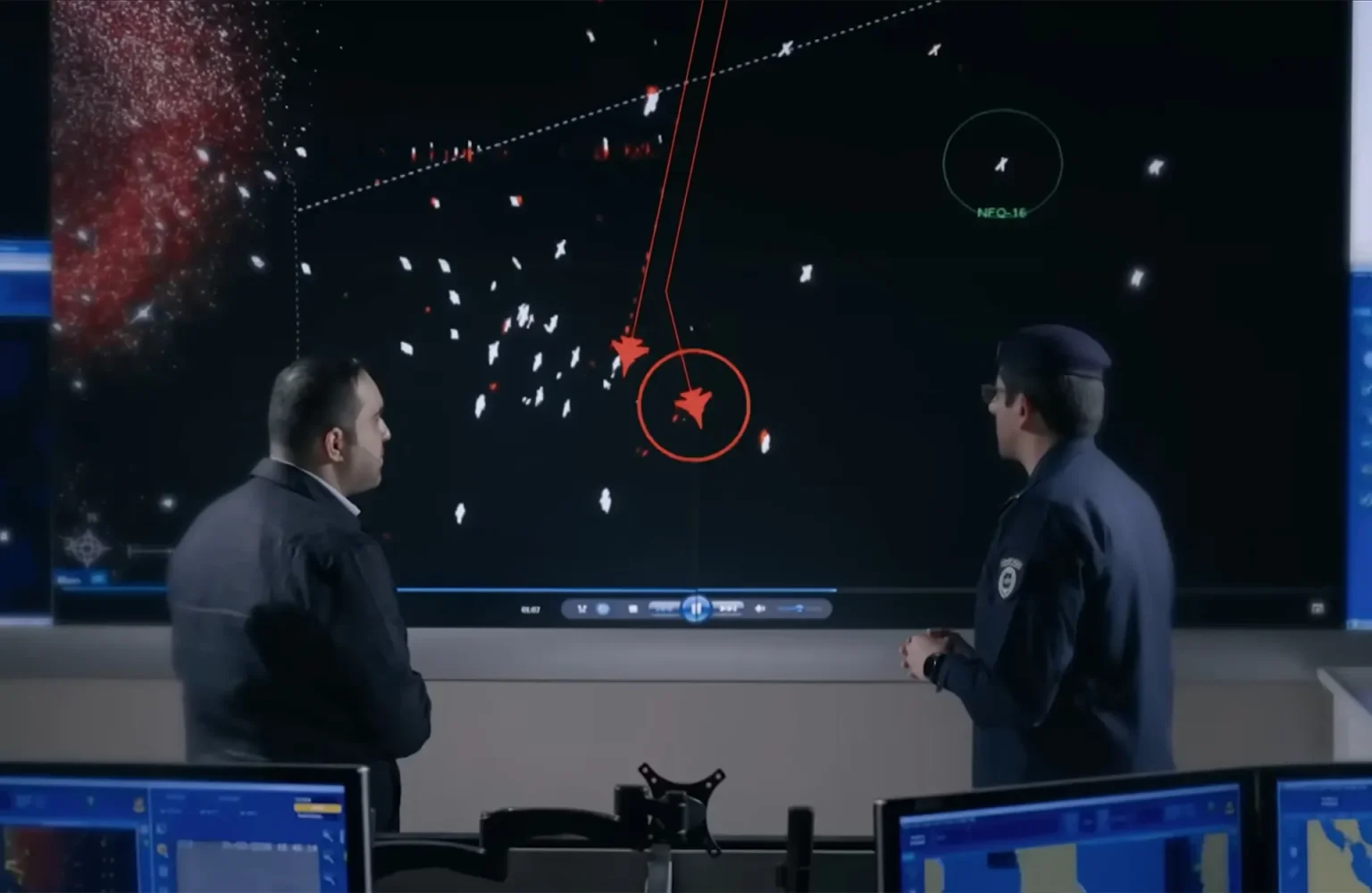
On 16 August 2026 Tehran renewed claims that Qatar is detaining Iranian pilots involved in the March 2 incident when two Su-24 aircraft entered Qatari airspace and were shot down, touching off a fresh wave of debate across social media and diplomatic circles. The allegation — repeated in Iranian statements and amplified online — quickly drew a categorical denial from Qatari officials, who said no pilots are detained and that Doha acted in accordance with rules of engagement.
Official response and immediate facts
Qatar’s Foreign Ministry spokesman Majid Al-Ansari dismissed the assertions as misleading and untimely, posting on X that Qatari authorities had contacted the aircrew after the airspace breach and followed established procedures when they received no response. According to the ministry’s statements, Doha implemented defensive measures consistent with international law and communicated the sequence of events through official channels at the time.
Independent observers and analysts emphasize that the factual record released by Qatari authorities so far does not indicate any detention of Iranian pilots. Meanwhile, calls for verification by neutral bodies have surfaced, in part prompted by reports that an Iranian official requested the International Committee of the Red Cross to look into the matter, a move some experts say risks further internationalizing the dispute.
Timing and diplomatic context: Iran-Qatar tensions, negotiations and frozen Iranian funds
Analysts tracking Iran-Qatar tensions note the timing of Tehran’s renewed allegation coincides with a stalled round of indirect negotiations aimed at easing pressure on Tehran and addressing frozen Iranian funds held in Qatar. Sources close to the mediation track say Doha and Pakistan have been engaged in shuttle diplomacy intended to reopen channels between Iran and Washington, but progress has been uneven amid continued U.S. sanctions and political resistance.
Observers suggest Tehran may be seeking leverage by drawing attention to the March incident and the related claim that pilots are held, with the goal of pressuring Qatar to either extract political concessions or to push other intermediaries to press Washington for concessions. The frozen Iranian funds, initially discussed in earlier talks in Doha, remain a sensitive element of the wider negotiation landscape.
How analysts interpret the motive behind the narrative
Commentators on social media and regional experts offer several plausible motivations for Tehran’s revived allegations. Domestically, hardline factions in Iran stand to benefit from heightened tensions, which can be presented as proof of external hostility and used to resist rapid concessions in talks with the United States. Regionally, actors interested in undermining Qatar’s role as a mediator might amplify such narratives to weaken Doha’s credibility.
Some analysts also point to a tactical aim: transforming a bilateral airspace incident into a diplomatic lever that could complicate Qatar’s mediation role and slow any momentum toward releasing frozen assets under a deal. The strategy, they argue, would shift pressure away from Tehran’s interlocutors in Washington onto Qatar as the intermediary, potentially forcing Doha into politically costly decisions.
Regional and international implications
Maintaining confusion about whether Qatar is detaining Iranian pilots has implications beyond bilateral relations. If unaddressed, the narrative could erode trust in Qatar’s neutrality as a host for mediation, complicating Pakistan’s and Doha’s efforts to broker indirect talks between Iran and the U.S. Furthermore, it could incentivize third parties to exploit the situation for strategic gain, including attempts to widen rifts between Tehran and Gulf states.
International legal and humanitarian norms are also part of the conversation. Doha has said it treated recovery, search-and-rescue, and related processes according to humanitarian law, but calls for independent verification have persisted. The presence of U.S. military assets in the region and ongoing sanctions policy means any escalation can ripple into larger security and economic dynamics.
Public reaction and media dynamics
On social platforms, users split between those who view the claim as an opportunistic move by Tehran and those who call for independent investigation. Many posts and threads urging restraint highlighted Doha’s public statements and urged reliance on official channels like the International Committee of the Red Cross for confirmation. Others pointed to the hazards of rapid rumor propagation amid a highly charged information environment.
Media analysts emphasize that timing, amplification, and the mix of state-backed and organic accounts can shape perceptions quickly. Therefore, transparency from official sources and third-party verification are essential to prevent misinformation from driving policy reactions or public sentiment in volatile directions.
What comes next: diplomatic mediation and verification
Expect diplomatic activity to continue over the coming days and weeks. Doha and Pakistan are likely to press for de-escalation and clarification via established channels, while Tehran and U.S. interlocutors may use back-channel communication to assess the broader negotiation picture. Calls for the ICRC or other neutral bodies to verify the status of any aircrew could provide a short-term avenue for cooling tensions, if all parties accept such involvement.
Observers advise watching for official releases from the Qatari Foreign Ministry, any response from Iranian diplomatic spokespeople, and statements from Pakistan as a mediator. Progress — or setbacks — on the question of frozen Iranian funds in Qatar will also be a key indicator of whether the dispute will remain a tactical messaging episode or evolve into a broader diplomatic obstacle.