








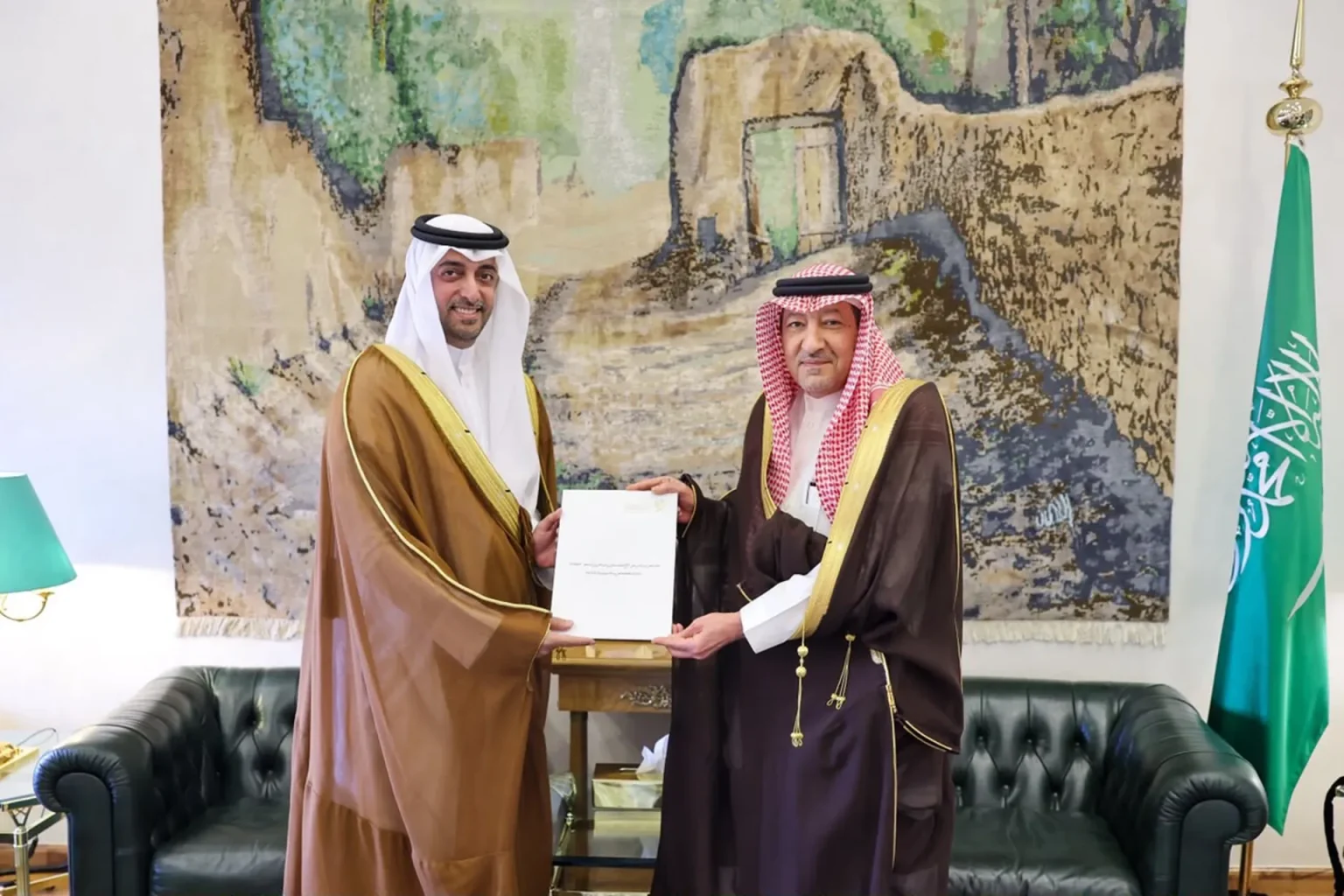

Qatar Sends Diplomatic Message to Saudi Arabia
On October 19, 2026, Qatar’s Emir Sheikh Tamim bin Hamad Al Thani delivered a written message to Saudi King Salman bin Abdulaziz Al Saud. This message concerns the strong fraternal relations between the two countries and ways to bolster and enhance these ties. The delivery took place amid ongoing discussions regarding the bilateral relationship and regional stability.
Strengthening Bilateral Relations
According to a statement from Qatar’s Ministry of Foreign Affairs, the message was received by Saudi Deputy Foreign Minister Walid bin Abdul Karim Al Khreiji during a meeting with Qatar’s Ambassador to Saudi Arabia, Bandar bin Mohammed Al Attiyah. The discussions included an examination of the existing bilateral relationships and strategies for development across various fields.
Both parties expressed their commitment to deepen cooperation and engagement on mutual interests. Such discussions are pivotal in the context of regional security and economic challenges, particularly in light of ongoing conflicts affecting security dynamics in the Arabian Peninsula.
Context of Ongoing Regional Tensions
The backdrop to this diplomatic exchange is characterized by escalating military conflict since July 2026 between a Saudi-led coalition and Houthi forces in Yemen. This situation has intensified hostilities, with recent attacks targeting civilian aviation facilities and energy installations within Saudi Arabia. The persistently volatile situation necessitates stable relations amongst Gulf countries, which can influence conflict resolution efforts in Yemen.
In light of these tensions, Qatar and Saudi Arabia’s diplomatic communications aim to align their strategic interests, particularly as both nations are influential players in regional geopolitics. Strengthening ties can lead to collaborative efforts in security, humanitarian assistance, and economic partnerships, which are increasingly critical as regional challenges persist.
Implications for Regional Diplomacy
The recent diplomatic efforts indicate a growing recognition of the need for consolidation among Gulf Cooperation Council (GCC) member states. Official sources underscore the importance of enhancing collaboration in various sectors, which may lead to improved economic stability and security. The exchanges also signify attempts to navigate complexities arising from external pressures and internal strife.
As diplomatic relationships strengthen, there is potential for joint initiatives focusing on peace-building and reconstruction in war-torn areas like Yemen. Additionally, closer relations between Qatar and Saudi Arabia could stabilize the GCC as a bloc, potentially offering a united front in broader Middle Eastern affairs.
Looking Forward: Next Steps in Diplomacy
Looking ahead, the international community will be observing closely how these diplomatic efforts unfold. The potential for joint efforts in tackling both security and economic challenges could redefine relationships within the region. Future meetings between key diplomatic figures are expected to facilitate further discussions on these crucial topics, with an eye towards establishing a more collaborative environment among GCC nations.
In conclusion, as the situation in Yemen continues to escalate, proactive diplomatic engagements between Qatar and Saudi Arabia will be essential in fostering enduring stability in the region. Observers can anticipate further developments in bilateral talks that may influence not only national policies but also broader regional strategies.