







Qatar to Invest in Power Generation in Lebanon
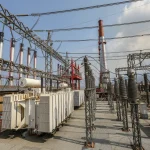
On October 19, 2026, Qatar announced plans to establish two power generation stations in Lebanon with a total capacity of 1,650 megawatts. This investment comes as part of a strategy to address Lebanon’s long-standing electricity crisis while reducing energy production costs. Notably, the project will not require any initial capital expenditure from the Lebanese budget.
According to a document obtained by Reuters, the proposal includes the construction of two gas-fired plants with a combined capacity of 1,650 megawatts, each capable of generating 825 megawatts. The locations designated for these power plants are the Dahr al-Ain region in northern Lebanon and Zahrani in the south.
Integrated Energy Investment Program
The initiative, referred to as the “Integrated National Energy Investment Program,” encompasses a deal for a 20-year liquefied natural gas supply contract between Qatar Energy and Lebanon. The plan aims to use a floating storage and regasification unit with a capacity of 3.5 million cubic meters per day while also taking advantage of the Arab Gas Pipeline through Syria, which can deliver 4.5 million cubic meters daily.
Alongside gas projects, the plan also proposes the development of renewable energy sources. This includes solar projects with a capacity of 800 megawatts and wind energy developments totaling 440 megawatts. Additionally, the initiative aims to import 300 megawatts of electricity from Syria using two separate pathways, enhancing the diversity of electrical supply sources.
Context and Importance of the Energy Crisis
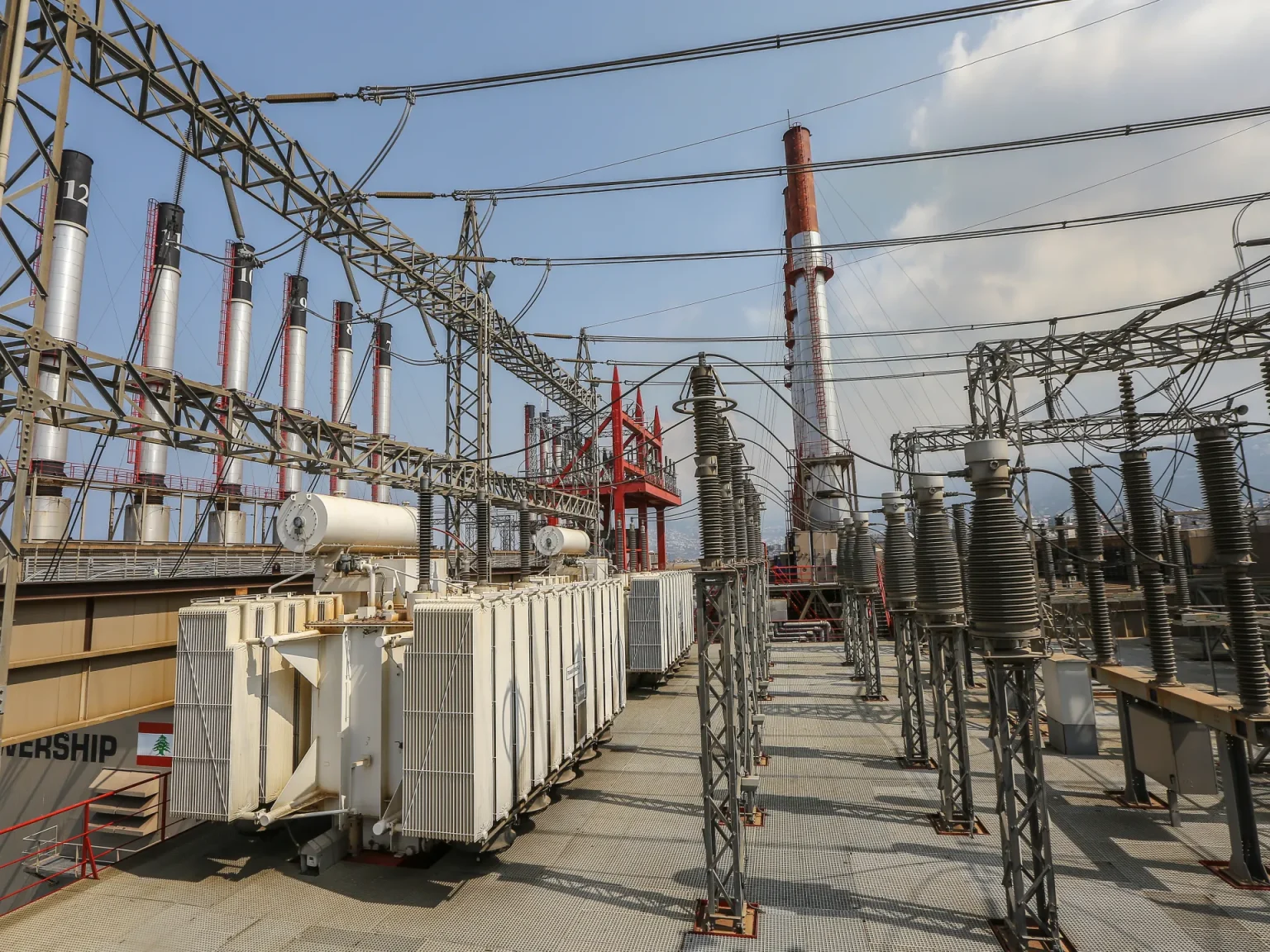
The Lebanese electricity sector is plagued by chronic issues, leading to the government providing only limited hours of electricity daily. This scarcity has forced many households and businesses to rely on expensive diesel generators to meet their energy needs. In recent comments, a source from the Electricité du Liban stated that rising fuel costs and operational expenses hinder the agency’s ability to extend power supply hours.
This latest proposition is critical as it seeks to attract private-sector funding while avoiding prior financial burdens on the Lebanese treasury, all while discussions about payment commitments and guarantees are ongoing. Officials report that the proposed plan is currently awaiting approval from both the Lebanese and Qatari governments, with adjustments still possible. If approvals are granted swiftly, the timeline for implementation is estimated to be within three years.
Qatar’s Role in Lebanon’s Energy Future
Last week, Qatari Prime Minister and Minister of Foreign Affairs Sheikh Mohammed bin Abdulrahman Al Thani announced a comprehensive cooperation framework in the energy sector during a press conference with Lebanese Prime Minister Nawaf Salam in Beirut. This agreement is seen as a significant investment that will benefit both the Lebanese economy and the participating Qatari entities.
Prime Minister Salam expressed optimism regarding the two governments nearing a framework for rehabilitating and developing Lebanon’s electricity infrastructure. The approach appears to ensure that Qatar will finance, implement, and operate the project without an upfront cost to the Lebanese treasury.
Looking Towards the Future
As Lebanon faces persistent electricity challenges, this investment by Qatar represents a vital step toward modernizing its energy infrastructure. The collaboration not only addresses immediate energy shortages but also aligns with broader goals of diversifying energy sources and increasing reliance on renewables.
The anticipated developments should be monitored closely, as further governmental negotiations and approvals will dictate the program’s next steps. Observers will be watching how this agreement unfolds and what impacts it will have on both economies in the coming years.