








U.S. Envoy Discusses Middle East Challenges at Global Security Forum
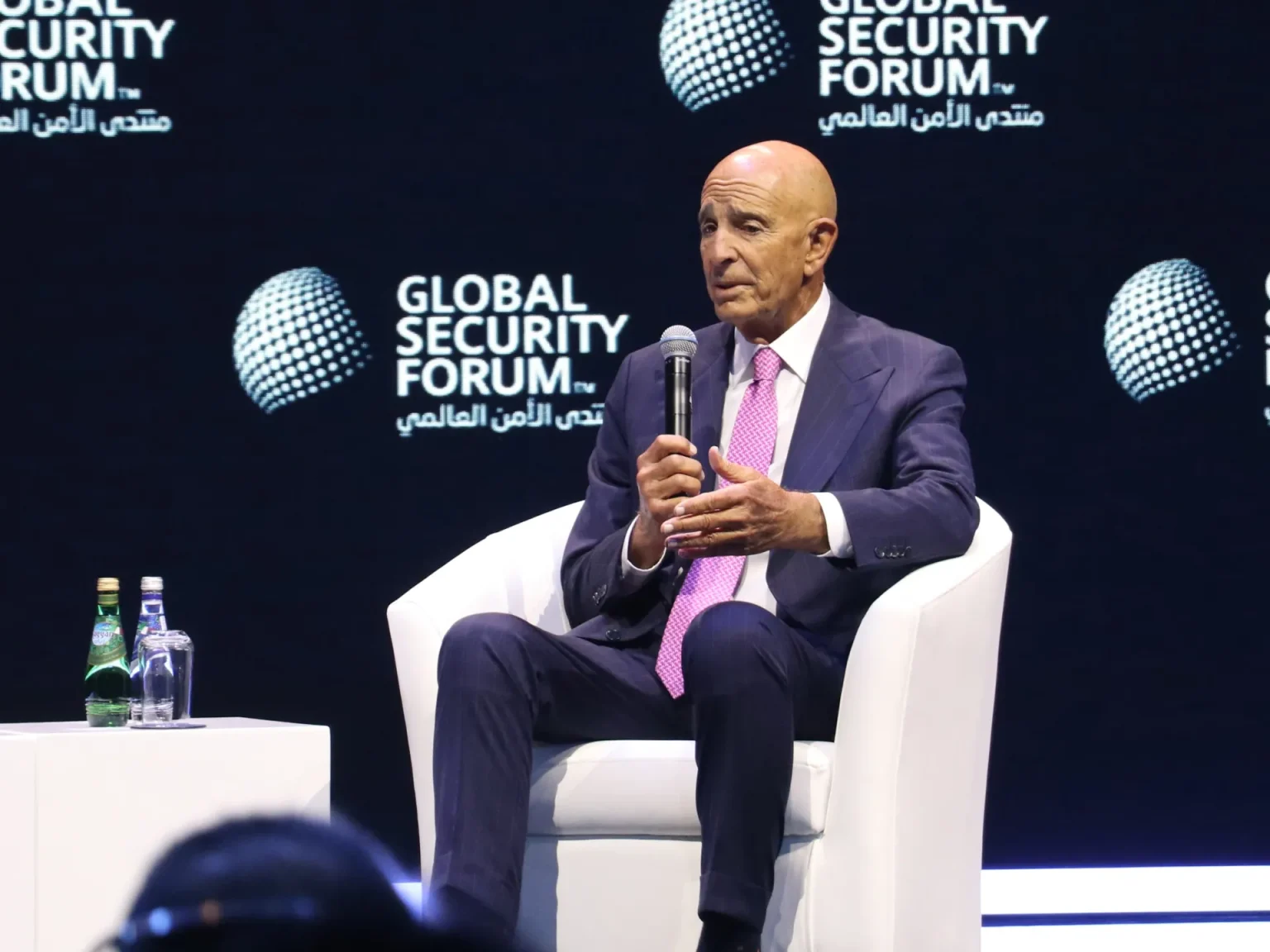
On October 20, 2026, U.S. Special Envoy for Syria and Iraq, Tom Bark, presented critical insights regarding the ongoing turmoil and systemic challenges in the Middle East during the 2026 Global Security Forum in Doha. Bark highlighted the failures of regime change initiatives in the region, emphasizing the complexity of interests that make the area resemble a “Rubik’s Cube.” He cautioned that military interventions often have repercussions that extend beyond the targeted nations.
The forum, which focused on the future of alliances amid escalating regional conflicts and their implications for Gulf security, highlighted the interconnectedness of geographic, religious, economic, and tribal factors in understanding the crises in the Middle East.
Insights on Regional Dynamics and U.S. Strategy
Bark emphasized that addressing the region’s issues requires comprehending the intricate web of factors involved. According to him, movements in one area can significantly impact others, leading to consequences such as displacement and immigration. He praised Qatar’s role in fostering dialogue among divergent parties, stating that managing crises necessitates consistent engagement rather than mere imposition of control or solutions.
The Special Envoy underscored that the U.S. is not abandoning its role in the region but is instead repositioning itself to form new partnerships and reassess its responsibilities. He pointed out that the U.S. has acted as a global security guarantor for nearly eight decades, indicating a transformative period probably guided by lessons learned from past interventions.
Reevaluating Military Interventions
During his address, Bark took stock of the United States’ military interventions in the Middle East. He noted that Washington has encountered 23 instances of regime change in the region without achieving the desired outcomes. He referred to the long-term costs of interventions, particularly in Iraq, and expressed skepticism about the belief that changing leaders or regimes would result in conflict resolution.
When discussing the confrontation with Iran, Bark mentioned that he believes the nuclear threat had diminished following the twelve-day war. He questioned the rationale for ongoing hostilities, considering their extensive negative impact on the region’s populace, economies, and overall stability.
The Role of International Diplomacy
Bark advocated for a diplomatic approach in U.S.-Iran relations, underscoring the importance of finding a solution that does not result in a clear victory for one party over the other. He commended countries like Qatar, Oman, and Pakistan for their mediation efforts, stressing that any agreement should begin with a ceasefire and aim to alleviate the suffering of the Iranian people.
Regarding Syria, he noted the considerable challenges to achieving stability but acknowledged potential developments since December 8. He observed that integrating previously excluded forces within state institutions could become a viable path for normalization in the country.
Future Developments to Monitor
As the geopolitical landscape evolves, Bark stressed that U.S. involvement should shift toward being a supportive entity rather than an imposing force. He called on regional nations to take responsibility for their security and expressed a need to diminish the influence of militias by reinstating security functions to state institutions.
Looking ahead, the Special Envoy reinforced the U.S. commitment to supporting Saudi Arabia while firmly ruling out a ground intervention in Yemen, indicating that prior military responses did not resolve conflicts. He emphasized the importance of addressing the broader dynamics surrounding groups like the Houthis, suggesting that military actions alone will not suffice.
In conclusion, as regional tensions continue to escalate, observers should anticipate further diplomatic efforts aimed at resolving conflicts in the Middle East. Future initiatives may focus on bolstering internal dialogues and fostering stability, rather than relying solely on military solutions. The intricate challenges highlighted by Bark necessitate a collective approach, with an emphasis on regional cooperation and mutual responsibility.