









AI Governance in Pilgrimage Management
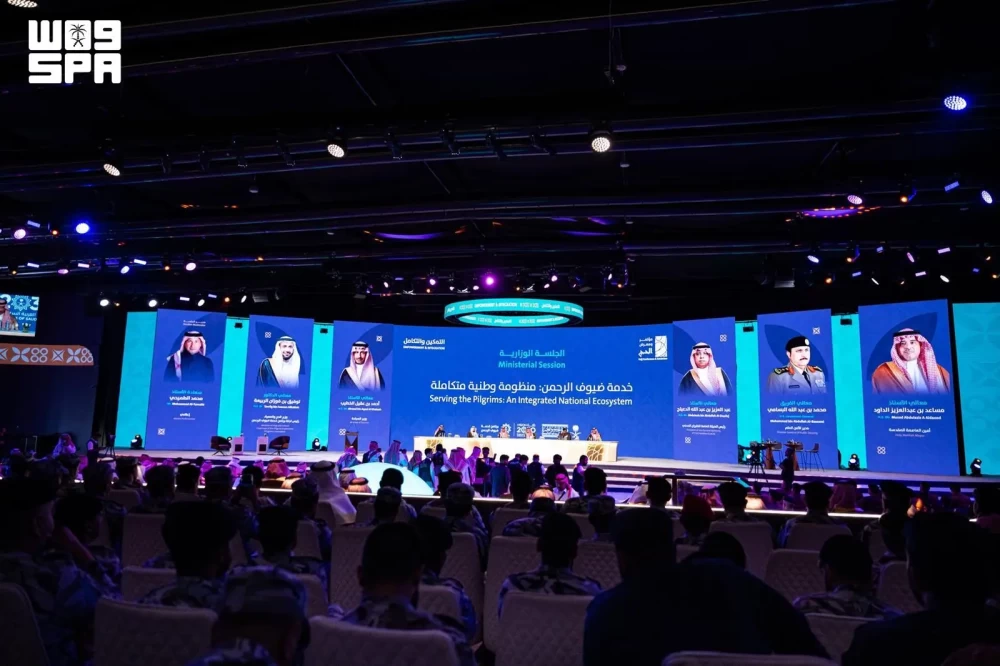
At a research session during this year’s Hajj Conference, experts discussed the governance of artificial intelligence agents in pilgrimage processes, addressing the systemic protection of the rights of pilgrims in the digital environment. The session featured Dr. Faisal Abdulrahman Al-Zahrani, a biochemistry professor and head of the stem cell unit at the King Fahd Medical Research Center, Dr. Ameera Mohammed Al-Harbi, an associate professor at Umm Al-Qura University, and researcher and attorney Israa Saad Al-Qarni.
The speakers presented a proposed framework for governing AI in critical systems, consisting of four layers. The first layer involves assessing the actual need for implementing an intelligent agent and its impact. This is followed by establishing data links while granting agents minimal independence, operational governance, and continuous evaluation of key performance indicators after each work cycle.
Operational Governance in AI
The session highlighted operational governance as the core of the framework, which defines the authority of the AI agent and accountability for its actions. This is grounded in principles of fairness, data privacy, human intervention, compliance, and safety. There was a strong emphasis on institutional accountability to regulate and assess the use of AI agents.
One case study presented focused on crowd management at the Jamaraat facility. It suggested separating the image analysis agent from the decision-making agent. The former anonymizes surveillance data, while the latter relies solely on metadata for suggesting actions such as delays, continuation, or escalation.
Protecting Pilgrim Rights in Digital Spaces
The discussion also explored the systemic protection of rights affected by digital transformation. A descriptive analytical approach was employed to analyze personal data protection, privacy, and beneficiary rights in electronic services. The analysis aimed to evaluate the adequacy of current protections and identify ways to enhance them.
The comprehensive nature of protection encompasses managing data collection, usage, retention, and sharing with relevant authorities. Additionally, the necessity for clarity in regulatory texts regarding rights and obligations was underlined. The session stressed the importance of ensuring that protections cover all stages of data handling and delineating the responsibilities of digital service providers for pilgrims.
Innovative Solutions for the Kaaba’s Covering
In a related segment, the session presented a research proposal focused on the care of the Kaaba’s covering. This initiative seeks to test nano-coating techniques that are water-repellent and antimicrobial, while preserving the fabric’s color and texture. The covering is made of silk, cotton, dyes, embroidery, and gold threads, making its preservation complex but essential.
The proposed treatments include silica coatings that facilitate water droplet sliding and surface-stabilized compounds tested for their ant bacterial effects. Moreover, biosynthesized silver nanoparticles are evaluated for their effectiveness and the amount of silver released.
The plan includes an experimental verification phase, comparing treated samples to untreated ones in terms of water absorption, bacterial residue, color stability, and texture. This will also involve testing the treatments against humidity, friction, cleaning, and perfuming, aiming to assess their suitability for real-life usage. Future applications may extend to fabrics used in homes and hotels.
Conclusion and Future Insights
In summary, the discussions at the Hajj Conference shed light on vital aspects of governance in pilgrimage operations and the protection of pilgrims’ rights within digital frameworks. The innovative research into preserving the Kaaba’s covering signifies a commitment to maintaining cultural heritage while integrating advanced technologies.
Looking ahead, stakeholders are expected to continue exploring the recommended frameworks and treatment solutions, reinforcing regulations and practices that ensure both the safety and dignity of the millions who partake in this sacred pilgrimage.