






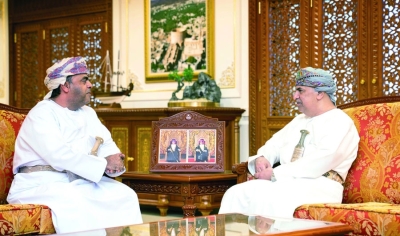

Oman Recovers One Billion Omani Riyals for Public Treasury
The State Financial and Administrative Control Authority in Oman has confirmed the recovery of approximately one billion Omani riyals for the public treasury. This achievement underscores the authority’s commitment to fiscal responsibility and transparency in managing public finances. Sheikh Ghosn bin Hilal Al-Alawi, the head of the authority, emphasized the crucial role of proactive oversight in preventing financial leakage and mismanagement.
Implementing Proactive Oversight Strategies
In a recent dialogue, Al-Alawi highlighted the importance of “proactive oversight,” utilizing modern technologies to analyze data effectively. This strategic shift aims to intercept potential financial losses or administrative errors before they escalate into significant issues. By correcting workflows early in the process, the authority is dedicated to averting severe repercussions for the national budget.
Furthermore, Al-Alawi pointed out the authority’s role in addressing root causes of deficiencies and generating financial savings. Efforts also focus on identifying initial signs of conflict of interest and adjusting supervisory tools to enhance governance within state-owned enterprises. This holistic approach aims not only to preserve public funds but also to cultivate an environment of integrity and accountability in public service.
Addressing Financial Mismanagement Beyond Corruption
Al-Alawi emphasized that financial wastage due to poor planning or mismanagement can have consequences as severe as direct violations of fiscal regulations. Thus, the authority proactively monitors fiscal operations within public institutions, offering corrective recommendations to streamline processes and generate cost efficiencies. Recent initiatives can potentially lead to substantial savings for the government.
The authority is also keen on fostering a national integrity framework where principles of transparency, accountability, and good governance are ingrained into the organizational culture. This cultural shift is vital for achieving the ambitious goals set forth in Oman’s Vision 2040.
Building a Culture of Compliance and Trust
Reflecting on the progress made, Al-Alawi noted that the authority’s measures are aimed at instilling a strong foundation for governance. The implementation of a robust internal monitoring system, alongside compliance training for government employees, plays a vital role in fostering a culture of accountability.
The authority is also set to leverage advanced predictive oversight measures by using sophisticated data analysis tools. These resources are expected to identify troubling patterns that may indicate financial threats before they materialize, thus enhancing the overall effectiveness of public administration.
Challenges and Areas for Improvement
Despite significant recovery efforts, there are still recurring patterns of administrative and financial violations across various government units. Al-Alawi noted that the varied efficiency levels of internal oversight systems contribute to these challenges. Thus, the authority has prioritized continuous improvement in regulatory frameworks to combat these persistent issues effectively.
Engagement with communities has become a key component in this endeavor, allowing citizens to participate actively in the monitoring of government activities. This partnership enhances transparency and accountability, creating a more vigilant society ready to report irregularities.
Future Steps and Implications for Governance
Looking ahead, the challenges are substantial, but they also present opportunities for reform and advancement in Oman’s governance. The authority plans to continually update regulatory mechanisms to ensure they align with global best practices while fortifying local compliance. Furthermore, increased community awareness and participation are critical for sustaining the progress achieved in rehabilitation of public finances.
As Oman strives to shape a transparent and accountable governmental framework, the ongoing emphasis on financial oversight will be vital. The commitment demonstrated by the authority is not only about retrieving lost funds but also about preventing future waste, thereby protecting public resources and enhancing citizen trust in government institutions.