






Qatar’s Economic Resilience Amidst Crises
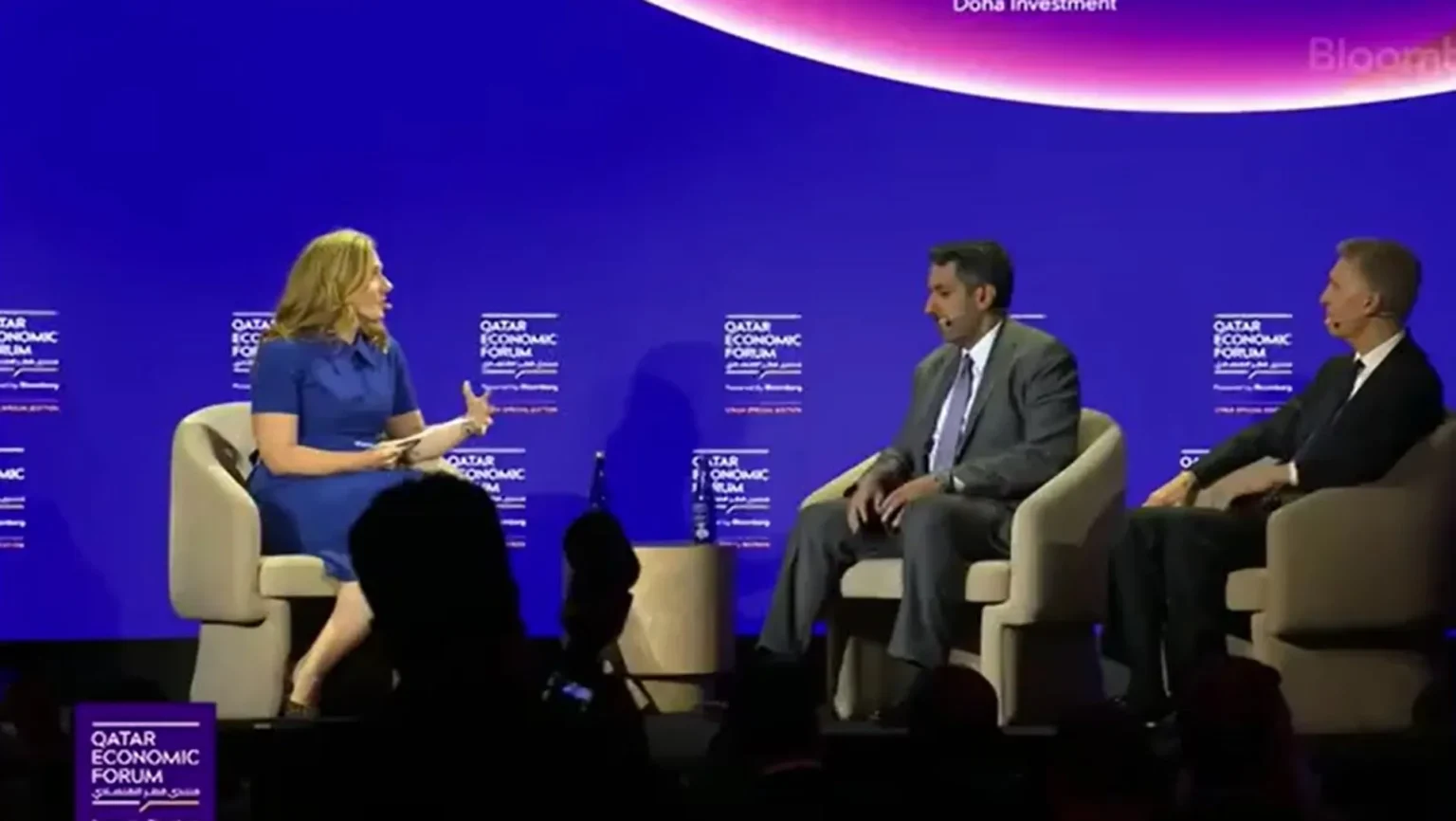
During the Qatar Economic Forum in New York, the Qatari Minister of Commerce and Industry, Sheikh Faisal bin Thani bin Faisal Al Thani, affirmed that Qatar views crises as opportunities to strengthen its resilience. He highlighted past challenges, including the COVID-19 pandemic and declining oil prices, which the country overcame to achieve a 6% growth in its gross domestic product (GDP).
Sheikh Faisal stated that the current global context presents a new challenge in a series of tests Qatar has faced in recent years. He emphasized the importance of learning from each crisis to emerge stronger, which has been a hallmark of Qatar’s approach during tough times.
Strategies for Economic Diversification
In discussing Qatar’s economic strategy, Sheikh Faisal noted that diversifying income sources is a core focus. This involves enhancing local production capabilities to reduce reliance on imports. The Minister underscored the significance of developing local industries and technology to mitigate the impact of supply chain disruptions, particularly in light of the challenges posed by events such as the closure of the Strait of Hormuz.
He posited that the ability to produce domestically key materials and technologies will enable Qatar to ensure economic stability and independence. This strategy is not merely a temporary response to current challenges but a long-term economic vision aimed at fostering resilience in various sectors.
Impact of Global Shipping Disruptions
Sheikh Faisal addressed the implications of the Strait of Hormuz closure, which has complicated shipping routes and supply chains critical to Qatar’s economy. The Minister pointed out that an essential question for Qatar is how to enhance local production to lessen the need for imports that pass through this strategic passage.
This situation has intensified the necessity for a diversification strategy that not only addresses current challenges but also fortifies the economy against future trade disruptions. The Minister highlighted that economic diversification encompasses multiple sectors including food, technology, and pharmaceuticals.
Manufacturing and Local Production Enhancement
The Minister stressed the vital role of manufacturing in Qatar’s economic framework, viewing sustainability as a central goal. He articulated that boosting local production capabilities is essential for fostering economic sovereignty, thus enabling Qatar to satisfy domestic needs more effectively.
Sheikh Faisal clarified that this initiative does not aim to eclipse the private sector but instead seeks to bolster private enterprises and encourage them to thrive both locally and internationally. By investing in local manufacturing, Qatar aims to create a robust economic foundation that benefits the community and increases global competitiveness.
Attracting New Investments despite Regional Challenges
Despite facing regional challenges, Sheikh Faisal reported that Qatar continues to attract new companies to its markets. He revealed that several businesses have registered in Qatar just three months after the escalation of conflicts between the U.S. and Iran. Additionally, exports from some local factories have increased by 12%, reflecting a positive trend in the manufacturing sector.
The Minister also indicated that Qatar is in negotiations with four major firms that are interested in investing up to $50 billion, illustrating a sustained commitment to fostering foreign investment in the country.
Fostering International Dialogue Amidst Tensions
Concluding his remarks, Sheikh Faisal highlighted the importance of ongoing international forums and dialogues, asserting that Qatar is dedicated to fostering open communication. He noted that such platforms have facilitated dialogues, even among adversaries, contributing to stability in a turbulent global landscape.
As Qatar continues to navigate through these turbulent times, all eyes are on the country’s strategic moves. Stakeholders anticipate further developments in its investment landscape and international collaborations aimed at solidifying Qatar’s role as a resilient economic hub in the region.