





Qatar diplomatic outreach focuses on de-escalation and maritime security
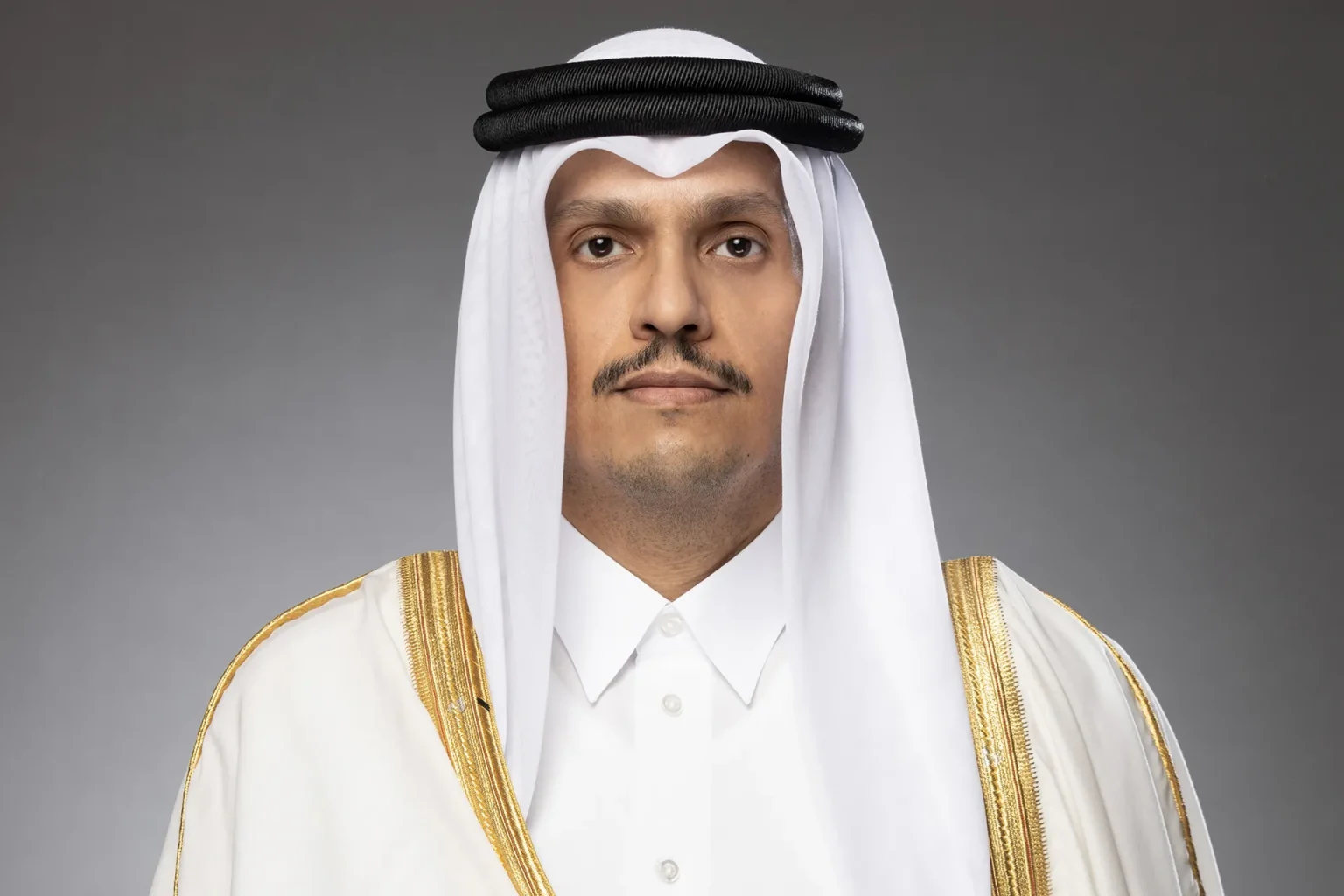
On Aug. 16, 2026, Qatar’s foreign ministry said Prime Minister and Foreign Minister Sheikh Mohammed bin Abdulrahman Al Thani conducted calls with senior counterparts to discuss efforts to reduce regional tensions. The statement, posted on the ministry’s account on X, emphasized Qatar diplomatic outreach aimed at promoting dialogue and diplomatic solutions. Officials said the contacts underscored a shared interest in preventing escalation and preserving maritime security in the Gulf.
Who was contacted and what was discussed
According to the ministry’s post, Sheikh Mohammed spoke with Saudi Foreign Minister Prince Faisal bin Farhan Al Saud, Jordanian Foreign Minister Ayman Safadi, and Syrian Foreign Minister Asaad Al-Sheibani. The conversations reviewed channels of cooperation and diplomatic work underway to lower the risk of confrontation across the region. The ministry noted the exchanges reinforced Qatar’s call for sustained dialogue and implementation of existing understandings.
Diplomatic emphasis on the US-Iran memorandum and de-escalation
The foreign ministry said Sheikh Mohammed stressed the need for all parties to commit to diplomacy and to carry out agreed provisions under the memorandum of understanding between the United States and Iran. Officials framed the US-Iran memorandum of understanding as a key framework for reducing tensions and preventing unintended incidents. Furthermore, the minister reiterated Qatar’s full support for any effort that aims to defuse conflict and achieve a comprehensive, lasting peace.
Details of maritime security concerns and regional stability
The minister also highlighted the imperative of ensuring freedom of navigation in the Strait of Hormuz to preserve regional security, the ministry reported. Strait of Hormuz security has long been a strategic priority for Gulf states and international trade, and Qatar urged measures that protect commercial shipping and energy transport. Additionally, officials pointed to the need to protect gains already achieved and to pursue steps that would enhance broader regional stability.
How Qatar diplomatic outreach fits into wider mediation efforts
Qatar diplomatic outreach has been part of a broader pattern of Gulf mediation and shuttle diplomacy, officials and regional analysts say. Qatar has previously hosted talks and facilitated communications between parties with competing interests, using its diplomatic networks to lower tensions. Therefore, this round of calls is consistent with Doha’s recent posture of quiet mediation and outreach aimed at sustaining dialogue rather than escalating rhetoric.
Responses and positions of contacted parties
While the ministry’s account provided the main details, it did not publish verbatim exchanges or indicate specific concessions by any party. Saudi, Jordanian and Syrian authorities did not immediately issue parallel statements elaborating on the calls, according to public records. Nevertheless, the outreach signals a willingness among those capitals to stay engaged on de-escalation, even as complex bilateral and multilateral issues remain unresolved.
Potential implications for regional diplomacy and security
Analysts say renewed diplomatic contacts could reduce the likelihood of miscalculation and unintended clashes, particularly in maritime environments where commercial traffic and naval operations intersect. Strengthening Strait of Hormuz security through agreed procedures and communication channels could mitigate risks to oil shipments and international trade. Furthermore, adherence to the US-Iran memorandum of understanding may create space for parallel confidence-building measures among Gulf states.
Related diplomatic initiatives and international context
Qatar diplomatic outreach occurs against a backdrop of multiple international efforts to stabilise the region, including bilateral agreements and multilateral discussions involving Western and regional powers. The ministry’s references to freedom of navigation and the US-Iran memorandum of understanding reflect overlapping priorities in Washington, Brussels and capitals across the Gulf. Consequently, Doha’s contacts may complement broader initiatives that seek to reduce tensions while preserving core security interests.
What to watch next
Observers should monitor whether follow-up meetings or joint statements emerge in the coming days, officials said, and whether the parties agree on practical steps to strengthen maritime safety. Watch for any scheduling of ministerial visits, multilateral consultations, or operational protocols that might be adopted to reduce maritime risks. Moreover, readers should track implementations tied to the US-Iran memorandum of understanding and any parallel diplomatic moves that could signal progress toward sustained de-escalation.
Conclusion and outlook
Qatar’s outreach underscores a continued emphasis on diplomacy and practical measures to maintain regional stability, the ministry indicated. While immediate breakthroughs should not be presumed, these contacts keep lines of communication open and may help prevent escalation in a volatile period. Next steps to watch include follow-up diplomacy, explicit maritime safety arrangements, and any coordinated measures to implement agreed provisions under the US-Iran memorandum of understanding.