






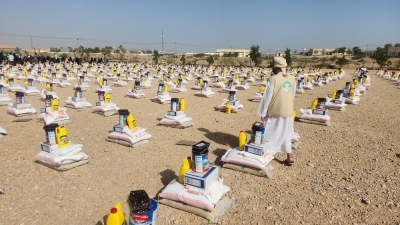

World Humanitarian Day: Oman Joins Global Observance
The Sultanate of Oman will join the world in observing World Humanitarian Day on August 19, officials said, reaffirming its active role in international relief efforts and crisis response. According to the Omani Authority for Charitable Works, the country’s contributions reflect a long-standing policy of humanitarian outreach focused on dignity, rapid response and long-term recovery for affected populations.
Oman’s Humanitarian Response and Principles
Oman’s approach to humanitarian work emphasizes solidarity and nonpartisan assistance, the authority’s acting chief executive, Badr bin Mohammed Al-Zaabi, told state news. He said the response is driven by immediate needs and respect for human dignity, and that assistance is designed to reach people wherever they are affected, regardless of geography or political differences.
Furthermore, Omani officials highlighted a dual-track strategy that combines emergency relief with programs that support recovery and stability. This strategy includes health, education, shelter and cash assistance, aiming to reduce suffering and enable affected families to rebuild livelihoods over time.
Omani Red Crescent strengthens national response
The recent launch of the Omani Red Crescent within the institutional framework of the Omani Authority for Charitable Works marks a significant development in the country’s humanitarian architecture. Officials say the new body will consolidate expertise, improve readiness for disasters, and expand volunteer mobilization across the Sultanate.
According to authority statements, the Omani Red Crescent will serve as a trusted coordination platform with the International Red Cross and Red Crescent Movement and other global humanitarian actors. This institutional link is expected to formalize partnerships, enable knowledge exchange, and facilitate access to crisis-affected areas through trusted diplomatic channels.
Omani humanitarian programs and partnerships
The Omani Authority for Charitable Works reported that its programs continued domestically and abroad, aiming to ensure aid reaches intended beneficiaries and produces measurable benefits. In the first half of 2026, the authority said more than 46,000 people inside Oman benefited from integrated programs including food assistance, orphan sponsorship, cash support, and housing and medical aid.
Externally, the authority’s interventions have ranged from emergency relief and medical supplies to education support and orphan care, tailored to the needs of partner countries. Officials stressed that success is measured by reduced suffering and sustained improvements in recipients’ lives rather than by headline figures alone.
Private sector partnerships and civil society also play a key role. The authority noted an active corporate social responsibility framework in which at least 20 percent of some companies’ CSR budgets are directed to coordinated humanitarian work. Officials said this arrangement has helped diversify funding, strengthen program sustainability and broaden the reach of assistance.
Capacity building, digital tools and future planning
Omani leaders outlined a multi-year development plan for the authority covering 2026–2028 that focuses on institutional strengthening, digital transformation and human capital. Officials said priorities include faster electronic service delivery, improved beneficiary experience, enhanced transparency and diversified funding sources.
There is also an emphasis on data-driven decision making. The authority plans to expand the use of data analytics and artificial intelligence tools to better identify needs, target resources and evaluate program impact. This approach aims to speed response times and increase the efficiency of aid operations while maintaining accountability.
International coordination and trusted mediation
Authorities described Oman’s balanced foreign relations and longstanding humanitarian diplomacy as assets in times of crisis. The Omani Red Crescent is expected to act as a reliable intermediary, coordinating with international humanitarian organizations to channel assistance to hard-to-reach or politically sensitive areas, officials said.
Such coordination builds on existing relationships with multilateral agencies and regional partners, and officials emphasized that institutionalizing the Red Crescent role should deepen cooperation, standardize operational protocols and expand capacity for rapid deployment during disasters.
Accountability, volunteerism and measurable impact
Officials stressed that humanitarian work must be accountable and focused on tangible results. The authority stated that its programs are guided by needs assessments and monitored to ensure resources reach eligible recipients and contribute to recovery outcomes.
Volunteer development is another priority. The authority expects the Omani Red Crescent to formalize volunteer recruitment, training and field readiness, enabling a larger pool of trained personnel for emergency response and sustained community support.
Conclusion: What to watch next
As Oman marks World Humanitarian Day, observers should watch the operational rollout of the Omani Red Crescent and the implementation of the 2026–2028 development plan. Officials said the coming months will focus on building institutional capacity, expanding partnerships and applying digital tools to improve response speed and effectiveness.
Stakeholders and the public can expect further announcements on specific partnerships, volunteer programs and pilot projects that test new data and AI-driven approaches to needs assessment. These steps will indicate how Oman intends to scale its humanitarian footprint while maintaining the principles of neutrality, dignity and sustainable impact.