






Qatar’s Ongoing Mediation Efforts Between the U.S. and Iran
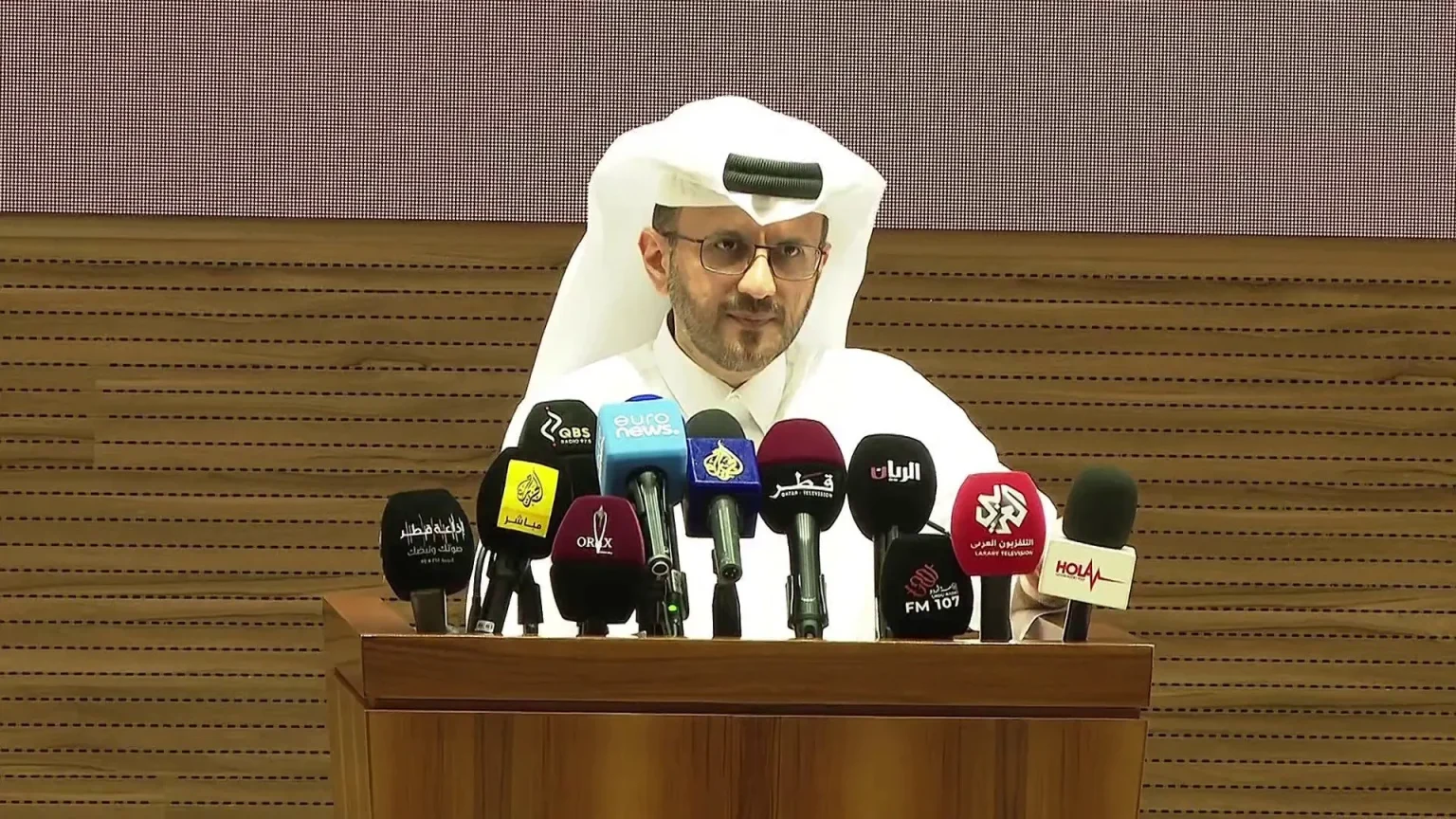
On September 29, 2026, Qatar’s Foreign Ministry spokesperson, Majid Al-Ansari, announced that the nation continues its mediation efforts between the United States and Iran. This comes amidst rising tensions and ongoing discussions aimed at establishing improved relations. Al-Ansari emphasized the importance of continuous dialogue and shared messages between the two nations, while also warning against challenges posed by Israel’s actions in the West Bank.
Building Bridges Through Dialogue
During a press conference in Doha, Al-Ansari outlined the current state of U.S.-Iran relations, noting that Qatar’s role as a mediator involves facilitating messages between both sides. He highlighted the meetings being held, which are geared towards creating a common ground for future discussions. Qatar advocates for a peaceful resolution to the ongoing tensions, asserting that no alternative solutions exist other than diplomatic dialogue.
The spokesperson expressed the necessity for all parties to respect the region’s infrastructure, labeling any threats to such facilities as violations of international law. He further indicated that recent mediation efforts have seen significant participation, including joint initiatives from Pakistan, underscoring the collaborative nature of these discussions in New York.
Concerns Over Israeli Actions
Al-Ansari also voiced concerns regarding Israeli activities in the occupied West Bank. He cautioned that Israel appears to be attempting to create a new status quo that contradicts international consensus and existing agreements, such as the Oslo Accords. He called for increased efforts to halt Israeli violations in both the West Bank and Gaza Strip, areas that are witnessing heightened tensions.
Israeli Prime Minister Benjamin Netanyahu’s government has faced accusations of undermining ceasefire negotiations in Gaza, further complicating the regional dynamics. Al-Ansari disclosed that Qatar has engaged in numerous discussions during the recent United Nations General Assembly, focusing primarily on pressing issues concerning Palestine and recent developments in Gaza and the West Bank.
The Broader Context of Mediation
The ongoing situation in the West Bank has escalated, marked by increased incursions into the Al-Aqsa Mosque and complete closures of the Ibrahim Mosque in Hebron. Reports indicate that settler violence against Palestinian communities has surged. In response, the Qatari Foreign Ministry openly rejected Israeli claims regarding the annexation of areas in Southern Lebanon and parts of the Gaza Strip, labeling these actions as blatant challenges to international law.
Additionally, the Qatari government urged the international community to hold Israel accountable for its expansionist agendas and settlement policies in the occupied territories. The ministry has consistently called for a unified response to these provocations.
The Path Forward
In conclusion, as Qatar’s mediation continues, the focus remains on fostering a conducive environment for dialogue between the U.S. and Iran while addressing the underlying issues affecting Israeli-Palestinian relations. Future efforts will likely center on maintaining communication channels open and urging all parties toward adherence to international norms and agreements. Observers will be keen to see how the upcoming discussions evolve, particularly in light of the geopolitical challenges present in the region.