







Saudi Arabia Hands Over Leadership of Arab Education and Culture Organization
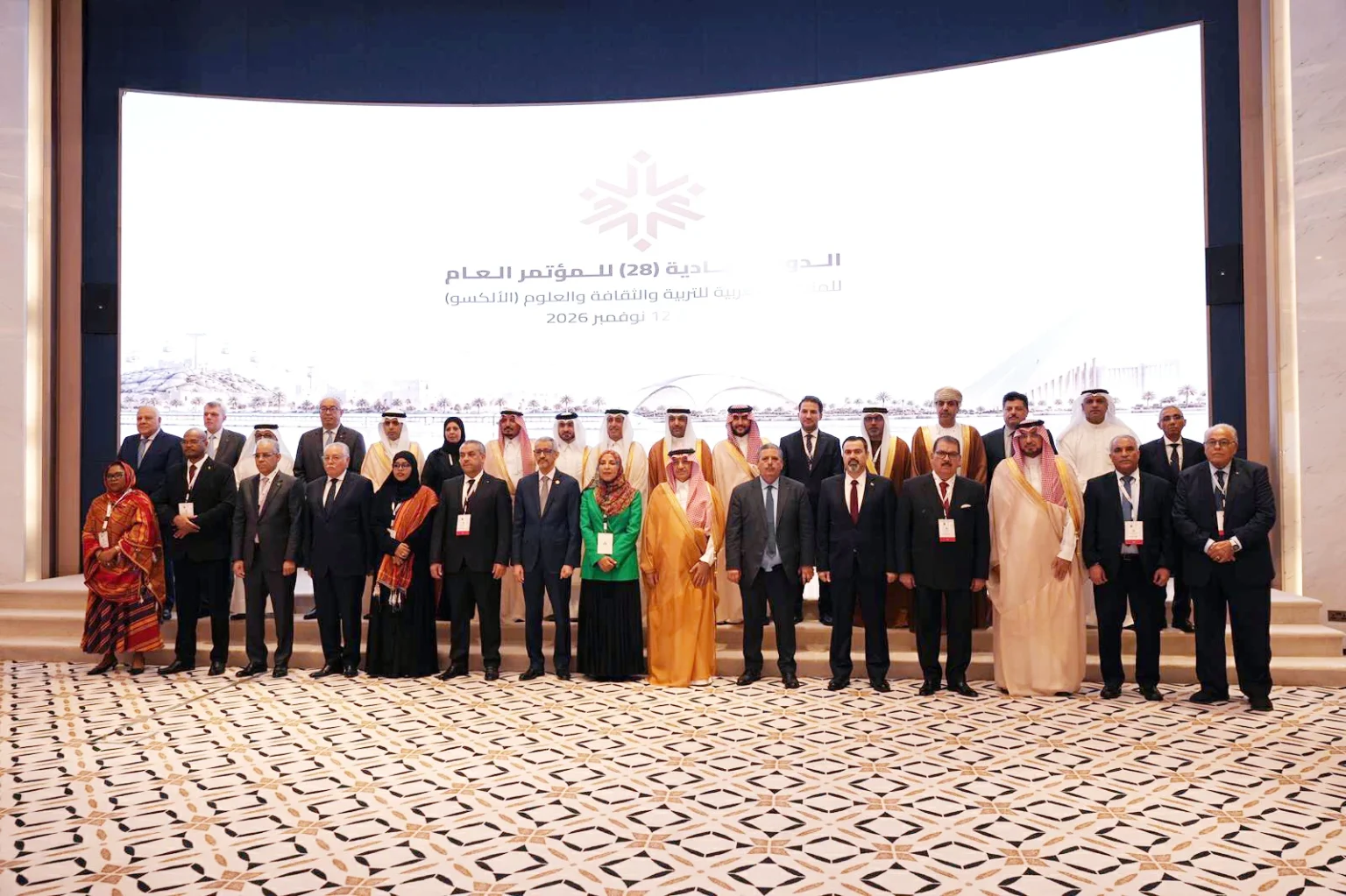
Saudi Arabia officially passed the presidency of the Arab Organization for Education, Culture and Science (ALECSO) to Oman following the completion of its term during the 28th conference held in Muscat. The new term will run from 2024 to 2026, a period during which several initiatives aimed at strengthening the organization’s role and enhancing its effectiveness were approved.
The conference concluded last Thursday in the Omani capital, where the outcomes of a committee dedicated to improving the operational mechanisms of the General Conference were adopted. This committee, led by Saudi Arabia and involving representatives from 12 countries, focused on amending the internal regulations, establishing a General Conference office, and creating three main committees for preparatory, legal, and strategic affairs.
Key Developments in the ALECSO Conference
One significant outcome from the conference was the proposal put forward by Saudi Arabia to reinstate the position of Assistant Director General, which had been eliminated in 2019. Dr. Tarek Al-Ghareeb from Kuwait was elected to this role. Additionally, the conference allocated an annual financial support of $500,000 to five nations affected by conflicts and crises—specifically Syria, Sudan, Lebanon, Libya, and Yemen—with each receiving $100,000 for the financial period of 2027-2028.
Another notable initiative was the establishment of the Saudi Arabia Heritage Award. This award aims to recognize outstanding contributions to the preservation and protection of Arab heritage. The conference also approved a policy framework for language policies and launched a unified Arabic terminology platform in collaboration with the King Salman Global Center for the Arabic Language.
Impacts of Saudi Leadership on ALECSO
Saudi Arabia’s leadership in the Executive Council, which lasted five years from 2021 to 2026, culminated in many proposals related to budget preparation and program enhancement. This period emphasized stronger coordination with institutions involved in Arab joint action. In the recent elections, Kuwait’s Mohammad Al-Khalidi was elected as the new head of the Executive Council, succeeding Hani Al-Qadim of Saudi Arabia.
The changes and initiatives proposed during Saudi Arabia’s presidency reflect a commitment to not only improve educational and cultural frameworks within the Arab world, but also to respond effectively to the changing dynamics of regional challenges, particularly in crisis-stricken nations.
Looking Ahead at ALECSO Initiatives
Looking forward, the next steps for ALECSO will likely include the implementation of the newly adopted initiatives and the management of the funds allocated for countries in need. Observers will be keen to see how the newly formed committees will function and what tangible impacts will result from the recently approved policies.
The focus will remain on enhancing cooperation among member states and ensuring that the culture and education sectors are fortified against ongoing challenges. Stakeholders will monitor developments closely, especially as the proposed awards and support systems take shape in the upcoming years.