





Fraudulent Spiritual Courses Promised Healing and Transformation
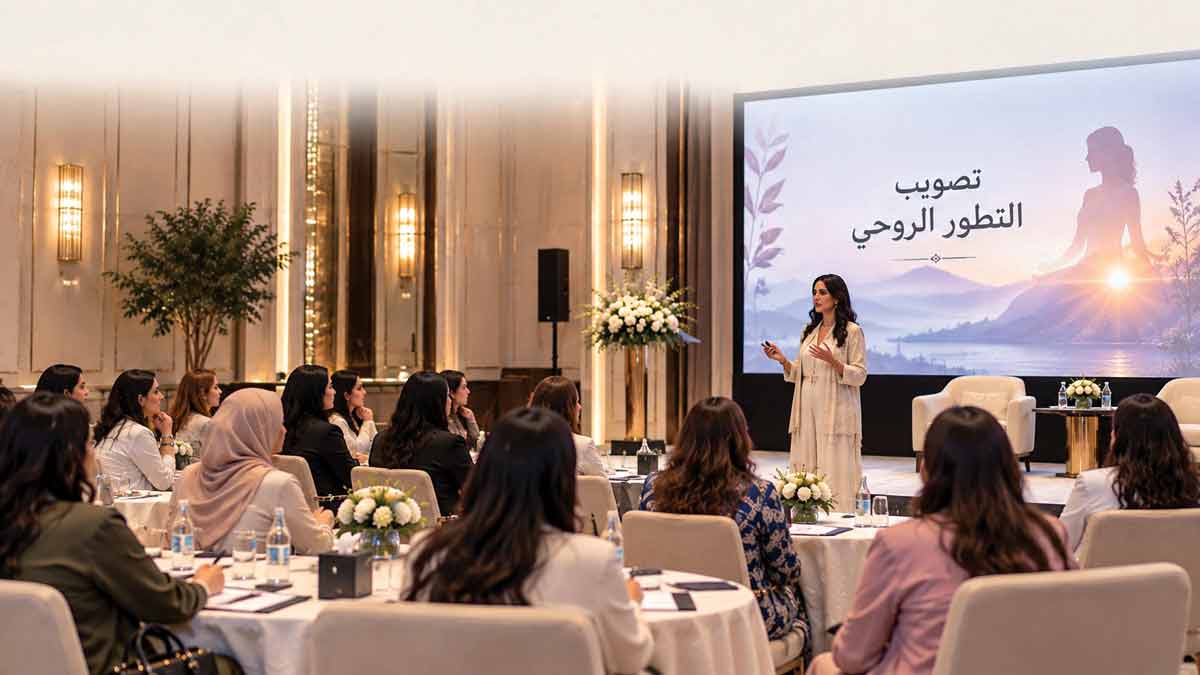
Following an investigative report titled “Fraudsters Claiming to Heal Diseases and Renew Energy,” concerns have emerged regarding the spread of fraudulent courses marketed under titles like “Spiritual Development” and “Correcting the Spiritual Path.” Calls received by Emirates Today reveal that these practices have transitioned from training halls and digital platforms to upscale hotels, offering overnight stays during the course duration.
The costs for some programs exceed 10,000 AED over five days, prompting inquiries into the legitimacy and implications of such offerings.
The Escalation of Fraudulent Practices
Recent accounts shared by participants unveil a troubling trend in which individuals, branding themselves as “legitimate spiritual healers,” exploit the vulnerabilities of those seeking stability, healing, or financial prosperity. This manipulation often leads to profound psychological and social repercussions.
Mouza Mohammed, who participated in courses focused on “Feminine and Masculine Energy,” reflects on how these programs altered her relationships. She briefly attended multiple sessions at a substantial cost, disrupting not only her bond with her husband but also impacting her relationship with her parents. Mouza describes her journey as a search for “cleaning emotional and internal traumas,” resulting in continuous personal conflicts.
The High Cost of Seeking Transformation
Participants like Anoud Alraisi have reported paying upwards of 10,000 AED for courses lasting only five days, often conducted in luxury hotels with unconventional practices included. These sessions may feature unusual breathing techniques and vocal exercises, further blurring the line between credible therapy and pseudoscience. Anoud noted that as participants get drawn deeper into these programs, the associated costs can escalate significantly, as many feel compelled to enroll in further sessions to discover spiritual “enlightenment.”
Moreover, the connection of these courses to unhealthy beliefs, such as engaging imaginary entities for emotional cleansing, raises concerns about their psychological impacts.
The Ethical Implications of Emotional Exploitation
Prominent figures in social and psychological circles express stern warnings about the dangers of these so-called “energy practices.” Aisha Al-Kindi, an international trainer in community awareness, cautions that individuals attending these sessions often do so during vulnerable periods in their lives and may leave feeling more isolated and confused. Misconceptions promoted by these courses can lead attendees to believe that family relationships are solely to blame for their personal issues, paving the way for fractured families and increased emotional distress.
It is crucial to recognize that not all guidance from online platforms is based on sound professional principles. The blending of spiritual advice with personal life complexities can have damaging effects if provided by unqualified practitioners.
The Role of Cultural and Familial Values in Conflict Resolution
Researcher Badriya Al-Hosni emphasizes the importance of returning to cultural roots during times of familial conflict. Traditionally, families in the UAE have relied on respected elders within their communities to mediate disputes and facilitate understanding, rather than seeking external, unverified advice. The casual acceptance of foreign concepts that encourage neglect of relational ties threatens to undermine the charged resilience inherent in familial structures.
Understanding the nature of relational conflicts typically requires open communication and patience rather than radical separations. Keeping cultural values at the forefront can navigate complexities without leading to decisive ruptures.
Conclusion: The Need for Caution and Education
As individuals navigate the increasing allure of alternative healing practices, awareness and education become critical. The need for reliable, professional guidance is paramount to protect individuals from unverified claims and potentially harmful ideologies. Observers suggest that people should vigilantly scrutinize the qualifications of those offering counsel to avoid financial and emotional manipulation. Moving forward, families must foster open dialogues about mental health and the importance of informed decision-making to maintain harmony. Watch for ongoing discussions regarding the regulatory oversight of such courses to ensure ethical standards and protection for the vulnerable.