






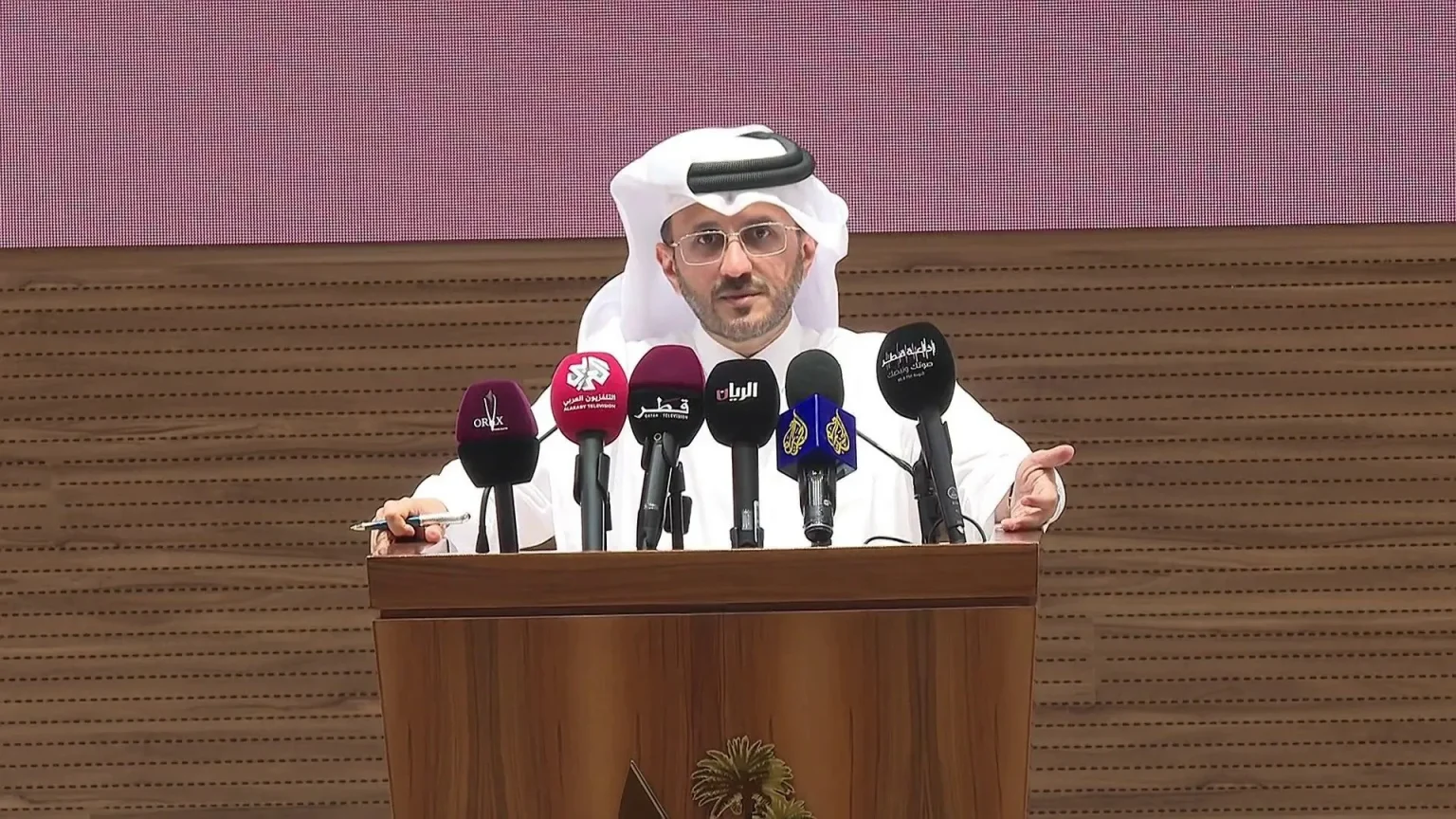

Qatar urges immediate ceasefire and reopening of the Strait of Hormuz
Doha on 18 August 2026 urged an immediate ceasefire and the reopening of the Strait of Hormuz as the only viable path to reduce regional tensions, Qatar’s Foreign Ministry spokesman Majid Al-Ansari said at a press briefing. The spokesman said current efforts focus on defusing the crisis, ensuring freedom of navigation and returning the parties to negotiations, according to the ministry.
Al-Ansari spoke in Doha after meetings and mediation efforts involving Qatar and Pakistan, and he said Doha is awaiting an agreement between Oman and Iran over the strait that could help resume talks. Officials emphasized that practical steps to reopen shipping lanes and halt hostilities must proceed in parallel to prevent further escalation.
Qatar mediation efforts and the role of the Strait of Hormuz
Qatar described its role as a mediator that has worked alongside Pakistan to facilitate a memorandum of understanding between the United States and Iran, the spokesman said. Doha is pressing for a deal that links reopening the Strait of Hormuz to an immediate ceasefire, noting that both elements are needed to restore maritime security and diplomatic momentum.
The spokesman added that a separate agreement between Oman and Iran over navigation rules in the Strait of Hormuz would be important for confidence-building and would complement any ceasefire framework. Meanwhile, diplomats said freedom of navigation and adherence to international law remain priorities for Gulf states and global traders reliant on the route.
Gaza ceasefire plan and implementation hurdles
On the Gaza front, Qatar reiterated its support for implementing a ceasefire plan that mediators say has been accepted in principle by Hamas, the Foreign Ministry spokesman reported. Doha stressed that Hamas’s acceptance represents a significant step, but officials warned that full implementation requires reciprocal Israeli compliance with the plan’s phased obligations.
Al-Ansari said some commitments by Israel under the first two phases of the agreement have not been met, and that these gaps have prevented full activation of the roadmap. Therefore, Qatar is urging both sides to return to the negotiating table and carry out the agreed provisions so the ceasefire can take hold and humanitarian access can expand.
Airspace incident involving Iranian pilots and search operations
The spokesperson addressed an incident in which Iranian aircraft reportedly entered Qatari airspace, saying the planes violated Qatar’s sovereignty and were engaged according to Qatar’s rules of engagement after failing to respond to communications. Search-and-rescue teams later recovered remains believed to be from one of the pilots, and operations concluded after those findings, the ministry stated.
Doha said it notified Iranian authorities, received delegations to transfer remains, and has invited an Iranian technical team to review search procedures; Iran has not yet accepted that invitation, according to the spokesman. He also rejected recent Iranian public claims about the incident as unfounded and said Qatar saw no need for a third-party intermediary at this stage given direct channels of communication.
Gulf coordination, sovereignty concerns and diplomatic posture
Qatar reported sustained coordination with Bahrain, Saudi Arabia and Kuwait over the past 24 hours, with communications among leaders, foreign ministers and security officials aimed at a collective response to future challenges. The ministry emphasized that Gulf cooperation is designed to manage risks while keeping diplomatic options open.
Al-Ansari condemned an attack on the office of the Iraqi Kurdistan regional prime minister and reiterated Qatar’s call for respect for sovereignty and good neighborly relations. He warned that Doha will defend its territory and people if necessary, but that diplomacy and dialogue remain the preferred means to resolve disputes.
Implications and what to watch next
Analysts say Qatar’s push to link a ceasefire with reopening the Strait of Hormuz aims to create a tangible incentive for de-escalation and to protect global shipping routes. If Oman and Iran reach an agreement on the strait, it could make simultaneous progress on maritime security and a ceasefire more feasible, observers noted.
Key developments to monitor in the coming days include any formal acceptance by Israel of the remaining implementation steps in the Gaza plan, a response from Iran to Qatar’s technical offer on the airspace incident, and public confirmation of talks between Oman and Iran on the strait. Furthermore, Gulf coordination statements and any multilateral endorsements could influence whether diplomatic momentum translates into concrete action.
Conclusion: timeline and expectations
Qatar’s statements indicate an immediate diplomatic push aimed at halting hostilities and restoring navigation through the Strait of Hormuz as a paired objective to a ceasefire. Readers should watch for formal dates for Oman-Iran talks, notifications of resumed negotiations between the main parties, and independent verification of compliance with ceasefire commitments in the coming days and weeks.