







Qatar denies detaining Iranian pilots
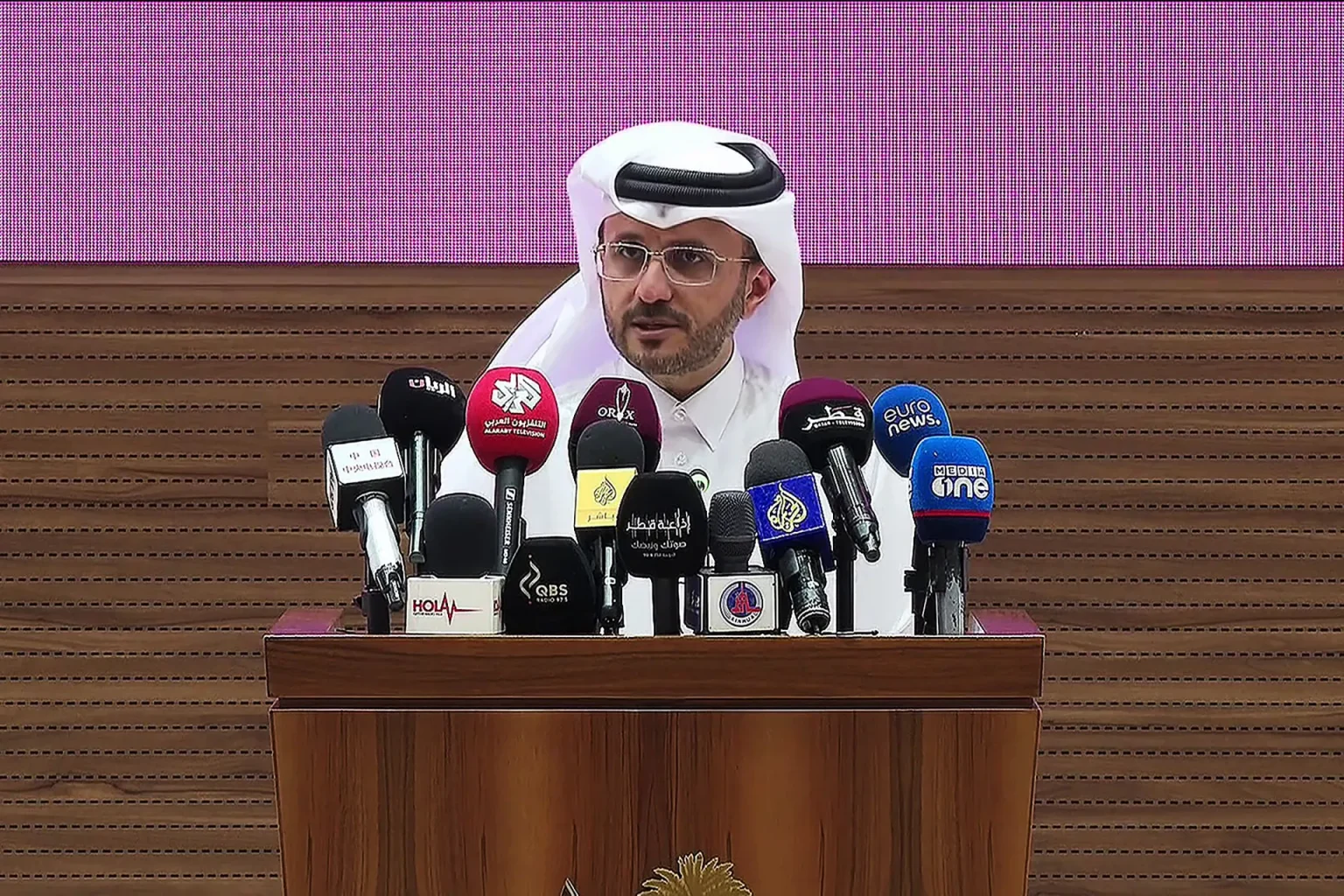
Qatar denied detaining Iranian pilots on Saturday, rejecting social media claims that two Iranian aviators were being held following a March airspace incident. The Qatari foreign ministry spokesman, Majed Al-Ansari, said the reports are misleading and arrived at a sensitive time as diplomatic efforts continue to reduce regional tensions.
According to the spokesman’s post on X, Doha communicated with the pilots after what it described as an airspace violation in March and took defensive measures in line with rules of engagement and international law. The statement reiterated that Qatar’s actions were both measured and transparent, and that search and rescue operations were conducted following the incident.
What Qatar says happened after the March incident
Officials said the incident occurred in March when two Sukhoi Su-24 aircraft approached and breached Qatari airspace. The Ministry of Defence announced on March 2 that its forces had shot down both aircraft after attempting to establish communications and determine a targeting trajectory, according to the Qatari account.
Majed Al-Ansari explained that Qatari units attempted repeated contact with the aircrew after detecting the airspace violation, and when there was no response they followed established rules of engagement. Therefore, Qatar asserts their actions were defensive and compliant with applicable norms of state behavior in armed encounters.
Search and rescue efforts and handling of remains
Qatar highlighted the role of its search and rescue teams, saying they carried out the recovery mission with professional, internationally recognized standards. The spokesman stated that teams located the remains of one airman and that Doha communicated with Iranian authorities to coordinate the transfer of those remains under relevant provisions of international humanitarian law.
Additionally, officials said Doha extended an invitation in April for an Iranian team to observe the search and rescue operations and the recovery process, but that Iran had not accepted or responded to that invitation as of the latest statement. Meanwhile, Qatar emphasized transparency through official channels and warned against unverified social media narratives that could inflame the situation.
Diplomatic efforts and regional implications
The denial that Qatar denies detaining Iranian pilots comes amid renewed diplomatic activity aimed at de-escalation across the Gulf and broader Middle East. Regional and international actors have urged restraint following air incidents and cross-border tensions earlier this year.
Observers say the episode underscores how quickly military encounters can produce competing narratives that complicate diplomacy. Therefore, officials and mediators continue to press for direct communications between capitals to clarify facts, coordinate humanitarian steps such as the return of remains, and prevent further escalation.
Legal and humanitarian context
International legal experts note that states have recognized rights to defend their airspace, but they also face obligations under humanitarian law when incidents involve loss of life. In this case, Qatar’s public explanation ties its actions to rules of engagement and international law, while its recovery and transfer efforts are framed as fulfilling humanitarian commitments.
Furthermore, the handling of downed aircrew and any recovered remains generally falls under established custom and treaties that encourage prompt notification, coordination, and respectful transfer. Therefore, the diplomatic exchange over remains and access for investigative or recovery teams is likely to remain a focal point.
Media narratives and information verification
Qatar’s statement criticized what it called misleading statements circulating at a time of diplomatic sensitivity. Independent verification of events in contested incidents can be challenging when states provide differing accounts, and social platforms often amplify unconfirmed claims.
Consequently, government statements, official ministry posts, and coordination through established diplomatic and military channels remain the primary sources for verifiable information. Readers and analysts are advised to rely on official releases and trusted international reporting while monitoring any further confirmations or clarifications from the parties involved.
Related developments to monitor
Moving forward, key indicators will include whether Iranian authorities accept Doha’s offer for a joint review or observer access, the timetable for transferring any recovered remains, and any follow-up communications through third-party mediators. Furthermore, statements from regional organizations or neighboring states could influence how the situation evolves.
Finally, any formal investigation outcomes, admissions, or new evidence released through official channels will be important to watch. Transparency and direct dialogue are likely to shape whether this episode remains a limited incident or contributes to broader regional friction.
Conclusion and next steps
Qatar denies detaining Iranian pilots and insists its military and rescue actions complied with international norms, while calling for careful handling of information. Officials said Doha has offered cooperation and invited observers to review search and rescue operations, steps that remain unaccepted by Iran so far.
Looking ahead, observers should watch for acceptance of the April visit offer, further diplomatic exchanges, and any independent statements that clarify the sequence of events. Developments in the coming weeks will indicate whether diplomatic efforts succeed in reducing tensions or whether additional mediation will be required.