







Mecca Defense Pact welcomed by U.S. president in White House statement
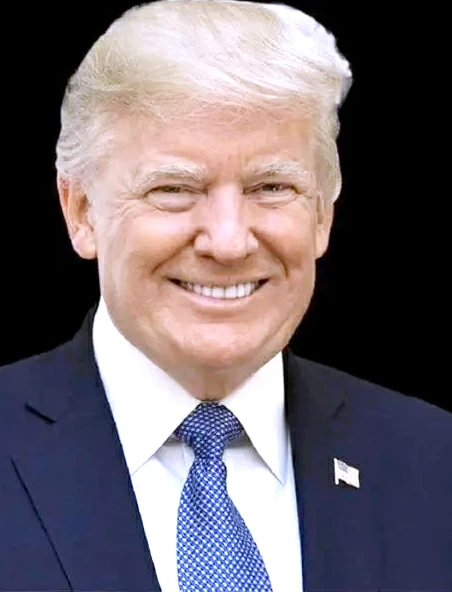
The U.S. president welcomed the Mecca Defense Pact, the White House said in a statement released nine hours after the agreement was announced. The statement called the Mecca Defense Pact a constructive step toward strengthened regional cooperation, according to officials. The announcement followed the signing of the pact in Mecca, Saudi Arabia, where regional leaders agreed to a new framework for collective defense.
Background and key facts about the Mecca Defense Pact
The Mecca Defense Pact is described by participants as a joint defense agreement aimed at enhancing cooperation among participating states on security and crisis response. The framework reportedly covers consultations, information-sharing, and mechanisms for coordinated military and non-military measures, according to official summaries provided by hosts.
Delegations at the Mecca meeting included senior officials from Gulf and neighboring states, and sessions involved defense ministers and foreign policy advisers. Meanwhile, the exact membership list and operational details are expected to be finalized in follow-up memoranda and implementing protocols, officials said.
Main provisions in the joint defense agreement
Although the Mecca Defense Pact’s full text has not been published in all capitals, available summaries indicate the pact emphasizes mutual consultation, joint training, and a framework for rapid coordination in the event of external aggression. Furthermore, the agreement appears to address both conventional and non-conventional threats while preserving member states’ sovereignty and decision-making authority.
According to participants, the pact includes provisions for information-sharing platforms and regular political and military consultations. The framework also suggests mechanisms for humanitarian assistance and civil defense cooperation during natural disasters or large-scale emergencies.
Why the United States welcomed the pact
The White House said the U.S. endorsement reflects an interest in supporting stability and cooperative security arrangements in the region. U.S. officials noted that a structured joint defense agreement could reduce the risk of miscalculation and provide predictable channels for diplomacy during crises, according to a senior administration briefing.
Analysts say the endorsement also aligns with broader U.S. priorities of promoting collective security and burden-sharing among regional partners. Additionally, Washington may see the pact as a way to institutionalize coordination on threats like terrorism, maritime security, and the proliferation of advanced weaponry.
Implications for regional security and alliances
The Mecca Defense Pact could reshape regional dynamics by formalizing cooperative ties among participating states, experts say. Therefore, the agreement may alter defense planning and prompt adjustments in bilateral partnerships between the United States and individual regional actors.
Furthermore, the pact may prompt neighboring countries to reassess their security positions and diplomatic alignments. Some observers caution that institutionalizing defense cooperation without transparent confidence-building measures could also raise concerns among states not included in the framework.
Reactions from regional capitals and international partners
Regional officials expressed cautious optimism, emphasizing the pact’s potential to enhance interoperability and crisis response. The Saudi foreign ministry and other host agencies issued statements highlighting the agreement’s emphasis on collective security and mutual respect for sovereignty, according to official communiqués.
Several international partners welcomed the initiative while urging clarity on implementation. Meanwhile, diplomats in capitals outside the region said they would closely monitor the pact’s operational arrangements and the timeline for joint exercises and staff-level coordination.
Potential challenges and implementation hurdles
Implementing a complex joint defense agreement presents logistical and political challenges, experts warn. Differences in capabilities, command structures, and threat perceptions among members could slow the establishment of effective joint mechanisms.
Additionally, funding, interoperability of equipment, and legal frameworks for cross-border operations will require detailed negotiation. Therefore, the success of the Mecca Defense Pact will depend on follow-up working groups, transparent timelines, and clear rules of engagement agreed by all participants.
Next steps and what to watch
Officials said follow-up meetings are expected to flesh out operational details, with working groups tasked to draft implementing arrangements. Observers should watch for announcements on timelines for joint exercises, the creation of liaison cells, and formal adoption of shared intelligence platforms.
Furthermore, the United States may increase advisory and logistical support to facilitate early implementation, depending on requests from member states. The coming weeks will likely reveal whether the pact moves quickly from political declaration to operational reality.
Conclusion: outlook and timeline
The U.S. welcome of the Mecca Defense Pact signals international interest in a more structured approach to regional security. While the agreement marks a diplomatic step forward, tangible results will depend on follow-through in technical negotiations, resource commitments, and confidence-building measures.
Readers should watch for scheduled working group reports, announcements of joint exercises, and any formal accession statements from additional countries over the next several months. These milestones will indicate whether the Mecca Defense Pact can evolve into a durable architecture for collective defense.