




Qatar’s LNG Production Challenges and Recovery Timeline
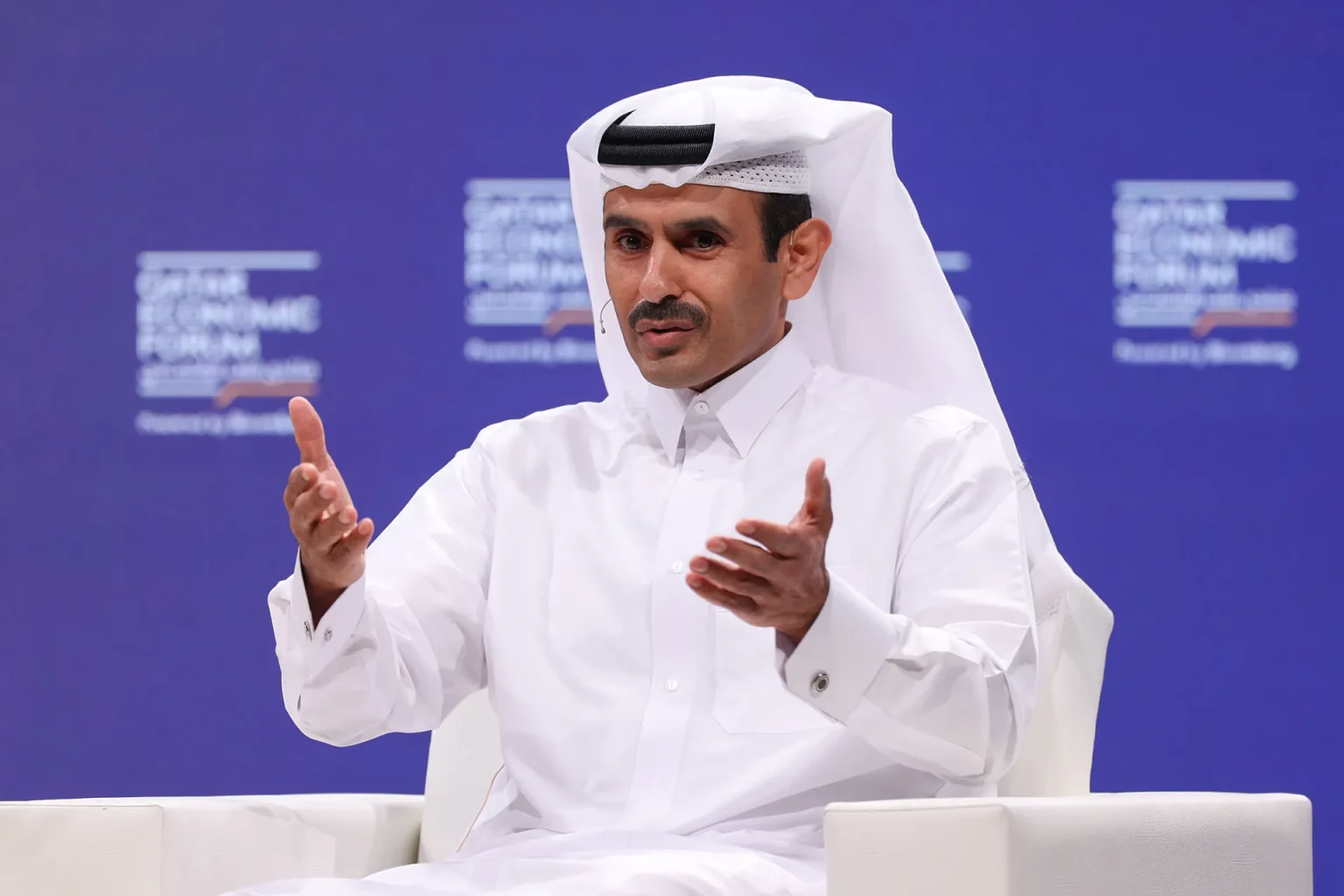
On September 21, 2026, Qatar’s Minister of State for Energy, Saad Sherida Al-Kaabi, announced that the recovery of liquefied natural gas (LNG) production lines affected by attacks on Ras Laffan facilities will take approximately three years. The announcement was made during a discussion at the Qatar Economic Forum in New York. Meanwhile, repairs on another production line are expected to be completed by the first quarter of 2027.
Al-Kaabi noted that the attacks had severely impacted two LNG production lines and one gas-to-liquids facility. He stated that Qatar is poised to resume normal production operations within a few weeks, contingent upon the reopening of the Strait of Hormuz, a critical shipping route for energy supplies.
Implications of Regional Geopolitical Tensions on LNG Production
In light of the geopolitical tensions, Al-Kaabi expressed gratitude to neighboring countries that have permitted Qatar to utilize their land for pipeline transport. However, he emphasized the limitations of pipeline transport for LNG, as it must be converted to gas and then liquefied at receiving terminals, making Qatar’s new facilities crucial.
“We decided against using pipelines as an alternative, based on commercial and technical standards,” he explained. Al-Kaabi also dismissed notions that the Strait of Hormuz holds no value, asserting the vital role the Gulf waters play in transporting a wide range of commodities beyond just oil and gas.
Force Majeure and Qatar’s Role in Global LNG Trade
Regarding the declaration of force majeure, Al-Kaabi stated that Qatar has historically been a reliable producer and supplier of LNG, having never failed to deliver shipments. However, he acknowledged that the current situation is “completely beyond our control.”
In response to reports of Qatar purchasing LNG from the market, he noted that QatarEnergy is in the process of establishing one of the largest LNG trading entities globally, aiming to solidify its leadership in the market. Al-Kaabi highlighted that the first shipments from the Golden Pass LNG project’s initial production line have already commenced, with full operation of the second and third lines anticipated by next year.
Additionally, QatarEnergy is also developing the world’s largest ethane cracking unit at the Golden Triangle Polymers project and expects to have this unit operational in the coming weeks.
Future Directions for Qatar’s LNG Industry
The outlook for Qatar’s LNG industry appears robust despite current challenges. As the country works to restore full operational capacity at its facilities, the possibility of alternate transport solutions is being explored, albeit with limitations. Al-Kaabi’s remarks highlight a strategic focus on maintaining Qatar’s status as a leading LNG exporter while navigating geopolitical uncertainties.
As Qatar looks to the future, industry stakeholders and global markets will closely monitor developments in the region, especially the reopening of the Strait of Hormuz and the completion of critical repairs on LNG production lines. These actions will play a crucial role in determining Qatar’s LNG export capabilities and overall market stability moving forward.