





King Salman Humanitarian Aid Center Launches Third Phase of “Mada” Initiative in Sudan
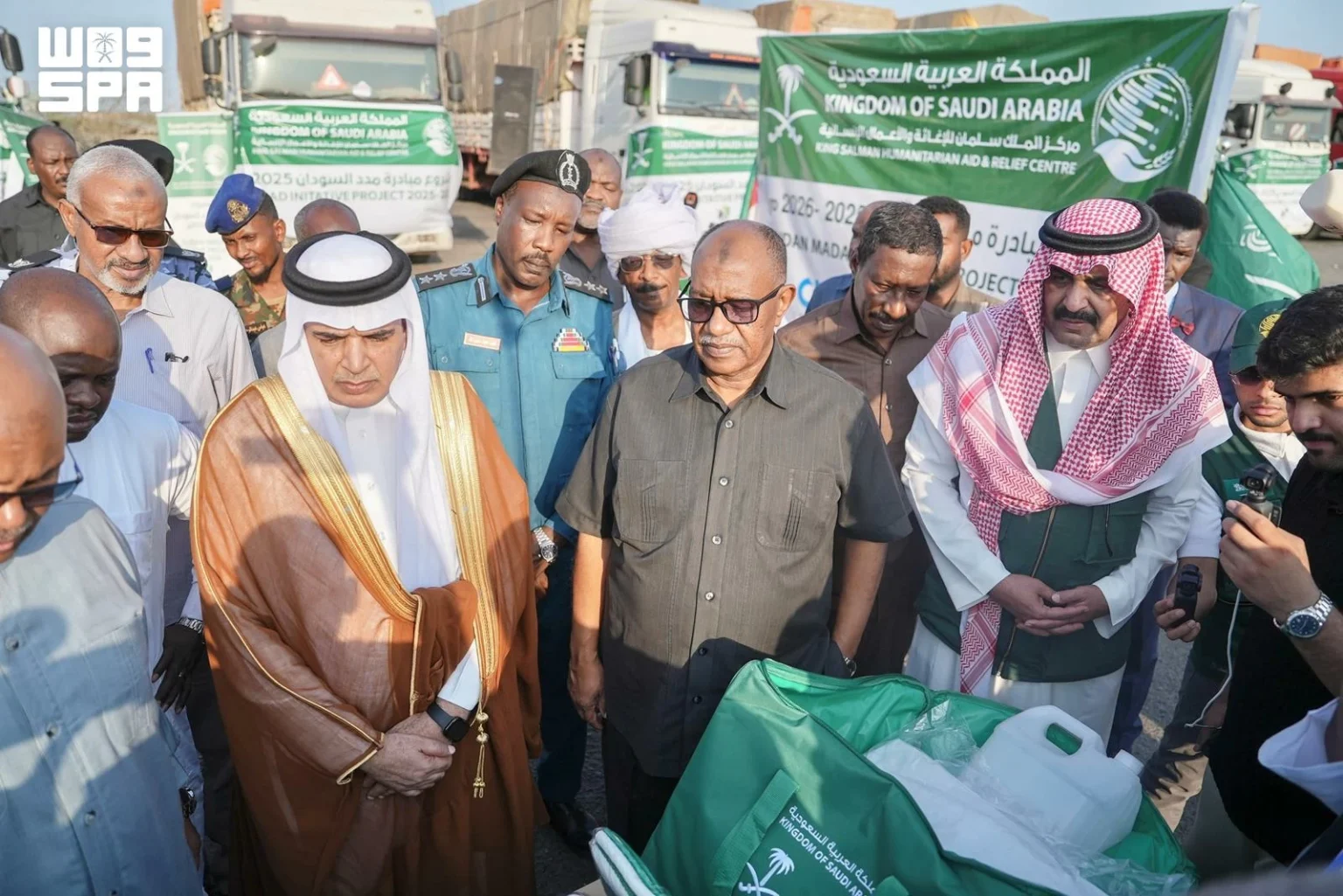
The King Salman Humanitarian Aid and Relief Center has officially launched the third phase of its “Mada” initiative in Sudan for 2026. This significant development took place in the presence of the Saudi Ambassador to Sudan, Dr. Zaid bin Makhlad Al-Harbi, who oversaw the dispatch of 40 trucks to the states of North Kordofan, Blue Nile, White Nile, Khartoum, and Kassala.
Addressing Basic Needs of Displaced Persons and Affected Individuals
The trucks delivered a total of 26,240 shelter bags and 6,652 health care bags, aiming to benefit 148,000 individuals. This effort focuses on addressing the fundamental needs of displaced persons and those affected by various crises in the region while enhancing humanitarian response efforts.
The initiative seeks to provide food baskets, shelter supplies, humanitarian assistance, and dates to families in need across 12 states. It is projected that more than two million individuals will benefit from this extensive support program. So far, the number of trucks sent under this initiative has reached 323, thereby aiding one million individuals.
Ongoing Commitment to Humanitarian Assistance in Sudan
The King Salman Humanitarian Aid Center continues its dedication to providing essential services and resources to those most in need. The ongoing efforts are critical, especially as Sudan faces numerous challenges that have led to widespread displacement and humanitarian crises.
This phase of the “Mada” initiative reflects a broader strategy to deliver aid effectively and efficiently. The collaboration between the Saudi government and local authorities aims to streamline the distribution process to ensure that assistance reaches the most vulnerable populations as quickly as possible.
Future Prospects of Humanitarian Initiatives
Looking ahead, the King Salman Humanitarian Aid Center is expected to expand its efforts as the situation in Sudan evolves. The next steps will involve assessing the impact of the current phase and planning additional support initiatives to continue addressing the pressing needs of the affected communities.
As these humanitarian efforts progress, stakeholders and observers are encouraged to monitor developments closely. Future updates may reveal new strategies or partnerships aimed at enhancing relief operations in the region, ensuring that more lives can be positively impacted.