






Israeli Prime Minister Netanyahu Criticizes Al Jazeera at UN Assembly
During a recent address to the United Nations General Assembly, Israeli Prime Minister Benjamin Netanyahu labeled Al Jazeera as a “toxic” media outlet. This statement, made on September 24, marks the latest chapter in a pattern of aggression directed at the network, which has faced accusations, threats, and legislative moves aimed at curtailing its operations in Israel.
Netanyahu’s speech took place with a sparse audience, as many heads of delegations chose to boycott his address. Nonetheless, he took the opportunity to refer to Al Jazeera when discussing what he termed the “eighth front” facing Israel in the ongoing battle for truth. He accused Qatar of financially backing Al Jazeera to influence public opinion and alleged that the network promotes hatred against Israel, the United States, and the West.
Al Jazeera Responds to Netanyahu’s Accusations
The day after Netanyahu’s remarks, Al Jazeera issued a firm rebuttal, stating that his comments are part of a broader campaign targeting journalists and the organization for their commitment to accurate reporting from conflict zones. They emphasized the danger this rhetoric poses to the safety of their journalists, particularly in regions experiencing heightened conflict, such as Gaza.
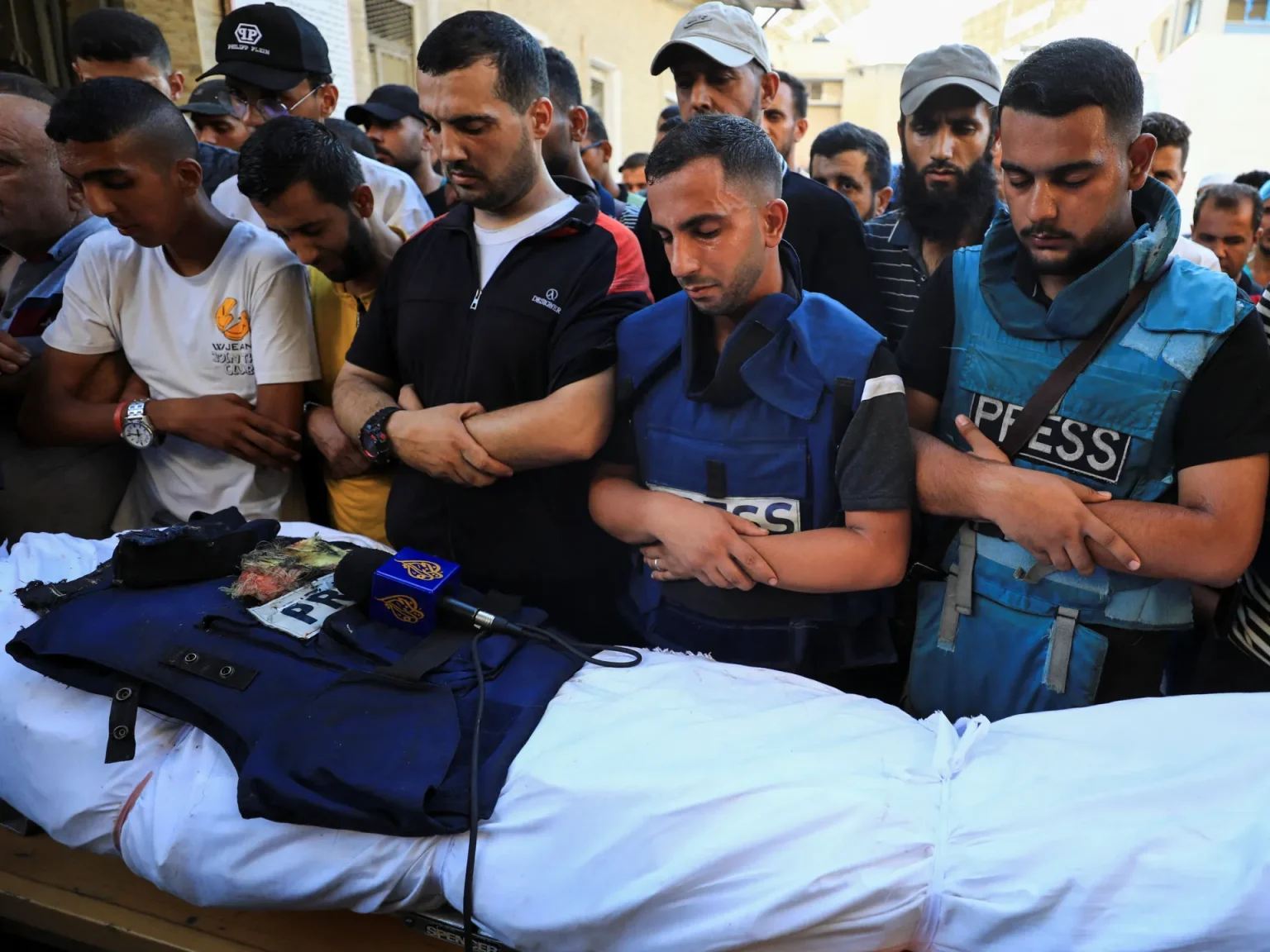
Al Jazeera pointed out the severe consequences that can stem from such accusations and stressed that the actions against them reflect a violation of press freedom and an attempt to restrict access to independent journalism. They also highlighted the sacrifices their journalists have made, noting that many have faced violence and threats while reporting on the ground.
Historical Context of Israeli Aggression Towards Media
Netanyahu’s criticism is not an isolated incident; it fits within a long history of Israeli attempts to silence media organizations that bring attention to its military actions, especially in Gaza. Since the escalation of violence in October 2023, Israel has faced significant scrutiny from the international community, including condemnation from allies for its military campaign in Gaza.
In recent years, Israel has adopted various measures against foreign media. For instance, in October 2023, a British team from the BBC faced threats and detention by Israeli police, underscoring concerns about media freedom in conflict zones. Additionally, two journalists, one from Reuters and another from Al Jazeera, were injured in Israeli fire while covering events in Lebanon the following day.
Legislative Actions Against Al Jazeera
In the wake of ongoing tensions, Israel has implemented laws enabling the closure of Al Jazeera’s offices and the blocking of its websites. These actions coincide with repeated accusations labeling the network as inciting violence and terrorism. Notably, a 2021 incident saw the destruction of a 12-story building housing Al Jazeera’s office in Gaza, which Israel claimed was being used by Hamas.
Al Jazeera’s response to these legislative moves emphasizes the broader implications for press freedom and the public’s right to access independent information. The network argues that such restrictions are not only targeting them but also undermining the global right to free expression and ethical journalism.
Conclusion and Future Implications
The ongoing strain between Israel and Al Jazeera reflects deeper societal and political cleavages surrounding media representation and the conflict. With mounting international scrutiny, any actions taken by the Israeli government against media entities could continue to provoke widespread condemnation and further escalate tensions.
As the situation develops, observers will be watching closely for any changes in both Israeli government policy regarding media and the unfolding impact on press coverage in conflict areas. The future of independent journalism in Israel and the Palestinian territories remains uncertain, amid an increasingly hostile environment for reporting on conflict-related issues.