






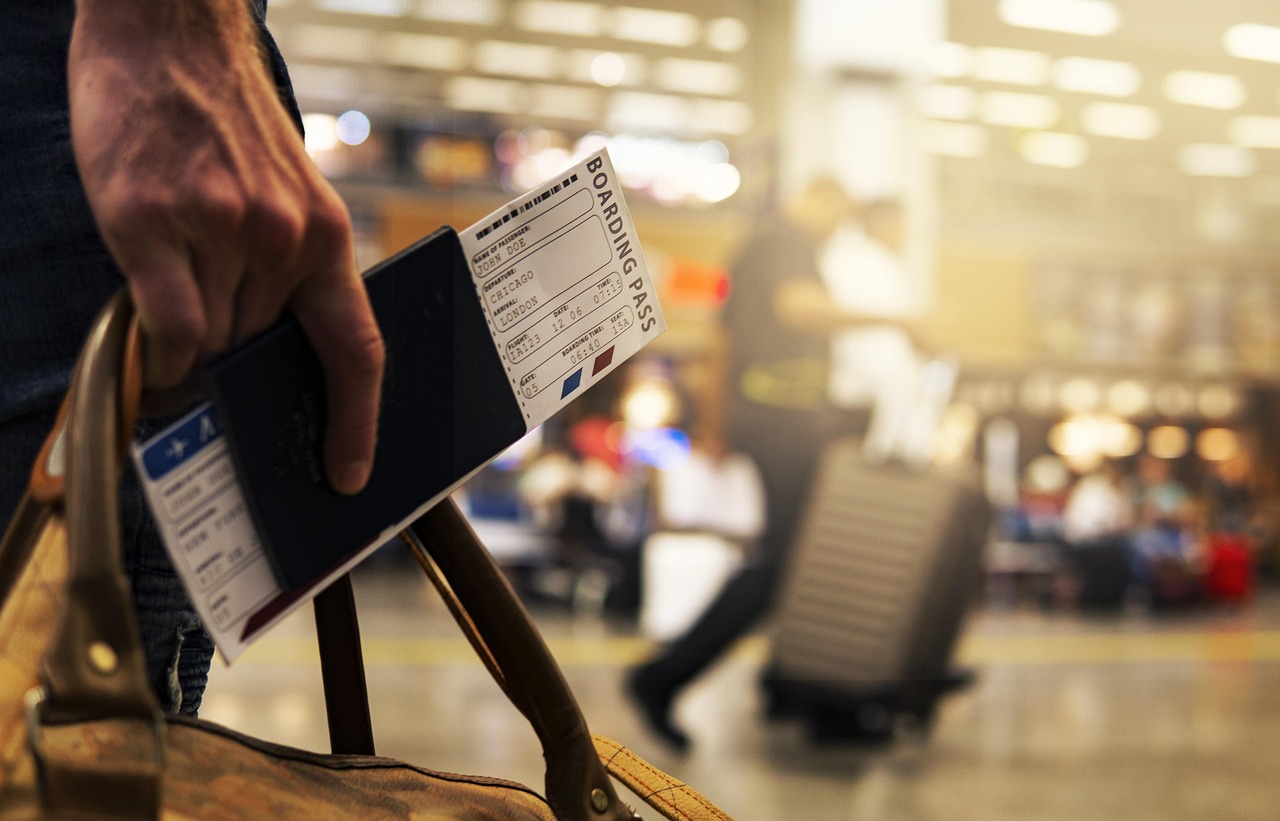

For Gulf travelers, a Schengen visa is the document that allows entry to most countries in continental Europe for short stays. It covers travel for tourism, business, family visits and short medical treatments within the Schengen Area — a zone of European countries that have removed internal border checks. How it works depends on your nationality, the purpose of travel, and where you apply.
Some Gulf passport holders already enjoy visa-free entry to portions of Europe, while others must apply in advance. The process involves selecting the correct Schengen state to apply to, submitting required documents, providing biometric data, and meeting entry conditions such as travel medical insurance and proof of funds. Check the embassy or visa‑centre website for your nationality and residence status before you book flights.
Quick Answer
A Schengen visa is a short-stay permit that allows eligible visitors to travel across most European Schengen countries for up to 90 days in any 180‑day period. For Gulf travelers, the exact steps are: confirm whether your passport requires a visa, apply at the embassy or visa centre of the main destination (or first point of entry), submit documents and biometrics, then travel once approved — always double-check country-specific requirements and processing times.
Key Takeaways
- The Schengen visa covers short stays across most continental European countries and enables travel between member states without internal border checks.
- Gulf nationals may or may not need a visa depending on their passport; always verify with official consular sources.
- Apply at the consulate of your main destination or the country of first entry if you plan to visit multiple Schengen states.
- Common requirements include a valid passport, photos, travel insurance, accommodation proof, return flight reservation, and biometrics.
- Plan ahead: applications can take time and embassies often require in-person appointments at visa centres in cities like Dubai, Doha, Abu Dhabi, Kuwait City, Manama or Muscat.
What Is a Schengen Visa and How Does It Work for Gulf Travelers?
The Schengen visa is a uniform short-stay visa that covers travel to the Schengen Area — currently most EU countries plus a few non-EU states. It is typically issued as a “C” visa (short stay) and lets you move freely between member states for the duration and conditions printed on the visa. For Gulf travellers, the first step is to confirm whether your passport is visa-exempt or requires an application.
If a visa is required, you’ll apply through the consulate or an official visa application centre (many Schengen states use service providers like VFS Global). The consulate assesses documents, may interview you, and records fingerprints. Once issued, the visa card will state how long you may stay and whether it allows multiple entries.
Which Schengen Visa Type Do Gulf Travelers Need?
Short‑stay (Type C)
Most Gulf visitors seeking tourism, business meetings, or family visits will need the short‑stay Schengen (Type C). It covers stays up to 90 days in a 180‑day period and is the most common request for vacation and short business trips.
Transit and Long‑stay Visas
Transit visas are for airport transfers through the Schengen Area, and national long‑stay visas (Type D) are for stays longer than 90 days, such as study, work or family reunification. Gulf travellers should pick the correct visa category for their purpose and confirm requirements with the issuing consulate.
Where Do I Apply — Which Embassy or Consulate?
Apply at the consulate of the Schengen country that is your main destination (the place where you will spend the most time). If you plan to visit several countries with equal durations, apply at the consulate of the country you will enter first. Many Schengen states manage visa applications through offices in key Gulf cities such as Dubai, Abu Dhabi, Doha, Kuwait City, Manama and Muscat.
Step‑by‑Step: How the Schengen Visa Process Works
- Confirm visa requirement for your nationality and your country of residence.
- Decide the correct consulate to apply to (main destination or first entry).
- Gather documents: passport, photos, cover letter, travel insurance, accommodation bookings, flight reservations, proof of financial means and employment or sponsor letters.
- Book an appointment at the embassy or visa application centre. Attend in person for biometric data (fingerprints and photo) if required.
- Pay the visa fee and await processing. Processing times vary; check consular guidance and apply well in advance.
- If approved, review visa dates carefully before travel. Carry supporting documents during travel for border checks.
Practical Document Checklist for Gulf Travelers
- Valid passport (check required minimum validity and blank pages).
- Completed visa application form and recent passport photo.
- Travel medical insurance covering emergency medical costs and repatriation (Schengen policies commonly require minimum coverage; check consulate guidance).
- Round‑trip flight reservation or itinerary and proof of accommodation (hotel booking or invitation letter).
- Proof of sufficient funds: bank statements, salary slips or sponsor letter.
- Employment letter, business registration, or evidence of ties to home country to show intent to return.
Important Rule: The 90/180 Principle
A core rule for short stays is the 90 days in any 180‑day period limit. That means you cannot spend more than 90 days in total inside Schengen during any rolling 180‑day timeframe.
| Stay type | Limit |
|---|---|
| Short‑stay Schengen | Up to 90 days in any 180‑day period |
Common Mistakes Gulf Travelers Make
- Applying to the wrong consulate — use the main destination rule.
- Submitting incomplete or inconsistent documents (dates that don’t match, unclear proof of accommodation).
- Buying non‑refundable flights before visa approval — prefer reservations or refundable options until you have the visa.
- Underestimating processing time around peak seasons (summer, holidays, major events).
- Not carrying supporting documents when traveling, especially if your visa is short or single-entry.
Best Tips for Planning Your Trip
- Start early: begin preparations 8–12 weeks before travel to allow for appointments and any delays.
- Use official sources: embassy websites and authorized visa centres give current forms, fees and appointment details.
- Make evidence clear: organize bank statements, hotel bookings and travel plans in a tidy folder for the appointment.
- Buy flexible tickets or refundable reservations until the visa is granted to avoid losses.
- Get travel insurance that explicitly covers Schengen travel and check the minimum coverage figure on the consulate site.
- Prepare for biometrics: many countries require fingerprints and an in‑person photo during your appointment.
- If you plan multi‑country travel, map your itinerary and keep a copy with you for border checks.
Is it worth it? Who is a Schengen visa best for?
Yes, a Schengen visa is worth it if you want flexible multi‑country travel across most of continental Europe. It’s especially valuable for Gulf travelers planning to visit several cities — for example Paris, Amsterdam, Rome and Barcelona — without separate visas for each country.
The visa is best for short-term tourists, business visitors, family‑visit travellers, and people seeking short medical treatment. If your trip requires long stays, study or work, a national long‑stay visa (Type D) for the specific country may be more suitable.
Travel and Practical Notes Specific to Gulf Travelers
Direct flights from Gulf hubs such as Dubai International (DXB), Hamad International (DOH) in Doha, and Abu Dhabi (AUH) connect to many Schengen airports. Major carriers like Emirates, Qatar Airways and Etihad offer frequent services, making point-to-point or multi-city itineraries convenient.
Residency status matters: many Gulf residents who are not nationals must apply from their country of residence rather than their home country. Also confirm transit requirements if you have layovers outside your Schengen itinerary.
Conclusion
A Schengen visa opens up easy travel across multiple European countries for Gulf travelers, but the process requires careful planning and correct documentation. Confirm whether your passport needs a visa, apply at the correct consulate, and submit clear proof of insurance, accommodation and finances. Start early, use official embassy resources, and prepare for biometric appointments to make the experience smooth.
Frequently Asked Questions
Do Gulf citizens need a Schengen visa?
Answer: It depends on the passport. Some Gulf nationalities have visa‑free access to Schengen countries, while others must apply in advance. Check the specific consulate or embassy website for your nationality and residency status before booking.
How long does the Schengen visa process take?
Answer: Processing times vary by country, season and completeness of your application. Begin the process several weeks before travel and consult the consulate or visa centre for typical processing windows.
Can I use one Schengen visa to visit multiple countries?
Answer: Yes. A short‑stay Schengen visa generally allows travel across all Schengen member states within the validity and stay limit noted on the visa. Ensure your itinerary matches the visa’s duration and entry conditions.
Which country should I apply to if I visit several Schengen states?
Answer: Apply to the consulate of the main destination (where you’ll spend the most time). If time is equal across countries, apply to the consulate of the country you will enter first. Incorrect choice can delay or complicate the application.
What is required for Schengen travel medical insurance?
Answer: The consulate typically requires travel medical insurance that covers emergency medical costs and repatriation. Many Schengen governments list a minimum coverage figure and acceptable policy features, so check the official guideline before purchase.
Can I apply for a Schengen visa from a country outside the Gulf?
Answer: Many consulates permit applications from legal residents of the country where you live, not only nationals. If you are temporarily abroad, contact the consulate where you are resident for specific rules and permission to apply there.
Will the airline check my Schengen visa before boarding?
Answer: Yes, airlines often check visas and entry documents at check‑in to avoid fines for transporting passengers without proper permission. Carry your visa and supporting documents (insurance, accommodation, return ticket) when you travel.
Can I extend a Schengen visa while in Europe?
Answer: Extensions are possible but rare and typically only for emergencies like serious illness or force majeure. Apply early at the immigration office of the Schengen state where you are staying and provide supporting evidence for the extension request.