





COP16 handover marks transition from Saudi Arabia to Mongolia
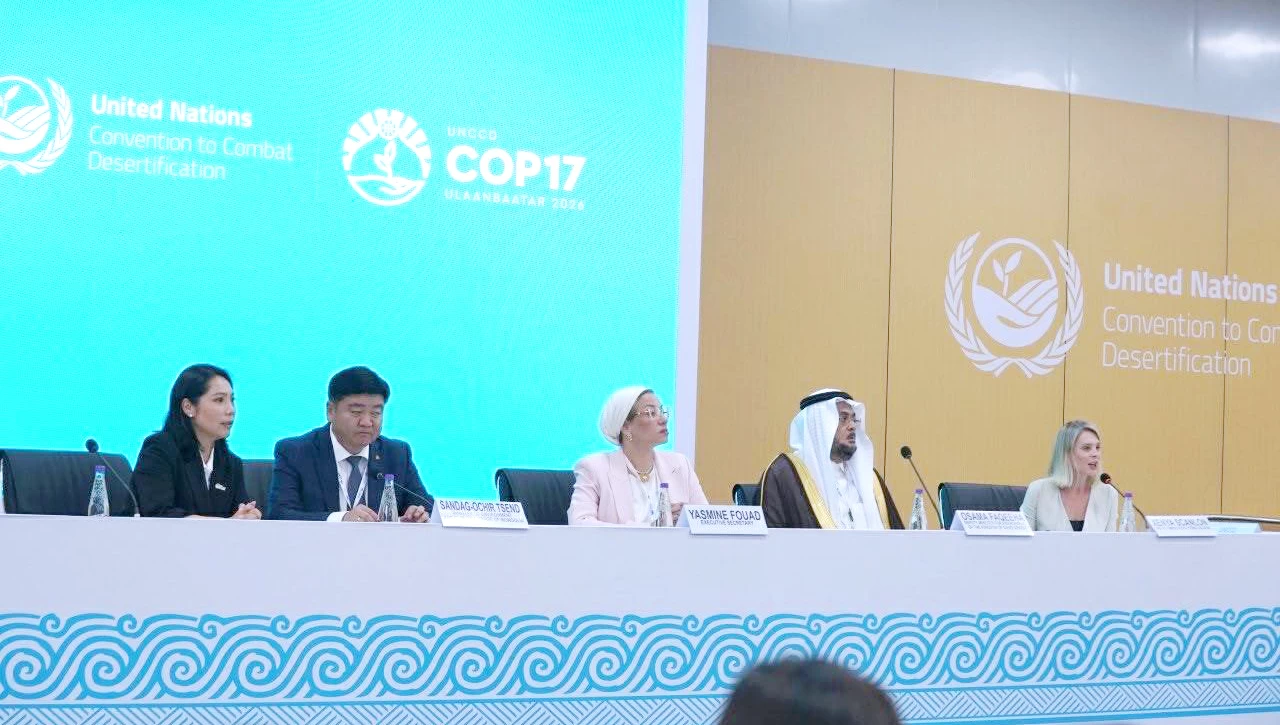
Saudi Arabia formally handed over the COP16 handover responsibilities to Mongolia as the Republic of Mongolia assumes the presidency of the UN Convention to Combat Desertification (UNCCD) for COP17, which runs in Ulaanbaatar from August 17 to 28. The ceremony closes Saudi Arabia’s two-year leadership of the conference and opens a new phase focused on dryland stewardship and regional cooperation.
Key details of the handover and immediate priorities
The transfer of leadership took place during formal sessions that emphasized continuity in global efforts to tackle land degradation, desertification and severe drought. Officials said the handover highlighted commitments to protect food and water security and to safeguard vulnerable ecosystems amid rising climate pressures.
Organizers noted that the Riyadh-hosted COP16 drew wide participation and launched major initiatives intended to support implementation at national and regional levels. The incoming Mongolian presidency will aim to build on those initiatives while tailoring action to the needs of dryland and pastoralist communities.
COP16 achievements under Saudi presidency
During its two-year stewardship, Saudi Arabia hosted COP16 in Riyadh, where organizers reported participation by roughly 100,000 people from more than 170 countries and the staging of over 800 events. Delegates also launched a range of partnerships designed to scale up responses to drought and land degradation.
One prominent outcome was the so-called Riyadh Global Partnership for Drought Resilience, which officials said attracted financial pledges exceeding $2 billion. Furthermore, the Riyadh Declaration and a set of decisions described by delegates as historic were adopted to strengthen implementation tools under the convention.
Why land degradation and drought resilience remain central
Experts and policymakers stress that land degradation and drought are drivers of food insecurity, ecosystem loss and increased vulnerability for rural populations. According to UNCCD mandates and technical assessments, reversing degradation is critical for achieving sustainable development and climate resilience.
Therefore, COP sessions have increasingly focused on translating high-level pledges into measurable outcomes, such as restored landscapes, strengthened national action plans and finance mechanisms that prioritize the most affected communities. Additionally, integrating land-based measures with food security and water management is seen as a practical pathway to deliver multiple benefits.
What Mongolia aims to achieve at COP17
As host of COP17, Mongolia brings an emphasis on challenges typical of cold and arid drylands, including pasture management, desertification control and the livelihoods of nomadic and semi-nomadic populations. Officials in Ulaanbaatar say the presidency will prioritize practical solutions that scale up restoration and support pastoral systems.
Agenda priorities and collaboration
Observers expect Mongolia to stress regional cooperation, science-policy linkages and enhanced access to finance for land restoration. Delegates will likely discuss approaches to blend public financing with private investment and donors’ support, while monitoring progress under national commitments.
Financial and policy implications of the transition
The handover raises questions about follow-through on the financial pledges and partnerships launched under Saudi leadership. Policymakers and civil society have urged transparent tracking of commitments and clear milestones to ensure that funds translate into on-the-ground restoration and resilience.
Furthermore, integrating the Riyadh outcomes into COP17 deliberations could shape new guidelines for measurement, reporting and verification of land restoration progress. Therefore, stakeholders will be watching how Mongolia positions COP17 to convert diplomatic momentum into operational programs.
International cooperation and next steps
International cooperation remains a core theme as the UNCCD process moves forward. Delegates in Ulaanbaatar are expected to negotiate work programs, financing strategies and technical assistance frameworks that support vulnerable countries in meeting restoration targets.
Meanwhile, the continuity signaled by the COP16 handover aims to maintain pressure for accelerated action, especially in regions facing acute desertification and resource scarcity. Officials have called for stronger alignment between UNCCD goals and broader climate and development agendas.
Conclusion: what to watch at COP17
The COP16 handover to Mongolia sets the stage for COP17 in Ulaanbaatar, where attention will focus on operationalizing pledges, scaling drought resilience, and improving finance and implementation mechanisms. Observers should watch for concrete commitments on funding flows, measurable restoration targets and partnerships that include local stakeholders.
Over the coming weeks, the effectiveness of the transition will be judged by the extent to which COP17 produces clear implementation roadmaps and accountability measures that build on Riyadh’s momentum. Stakeholders said they will monitor progress through the remainder of the year and into national planning cycles.