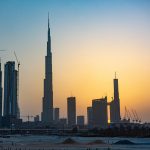



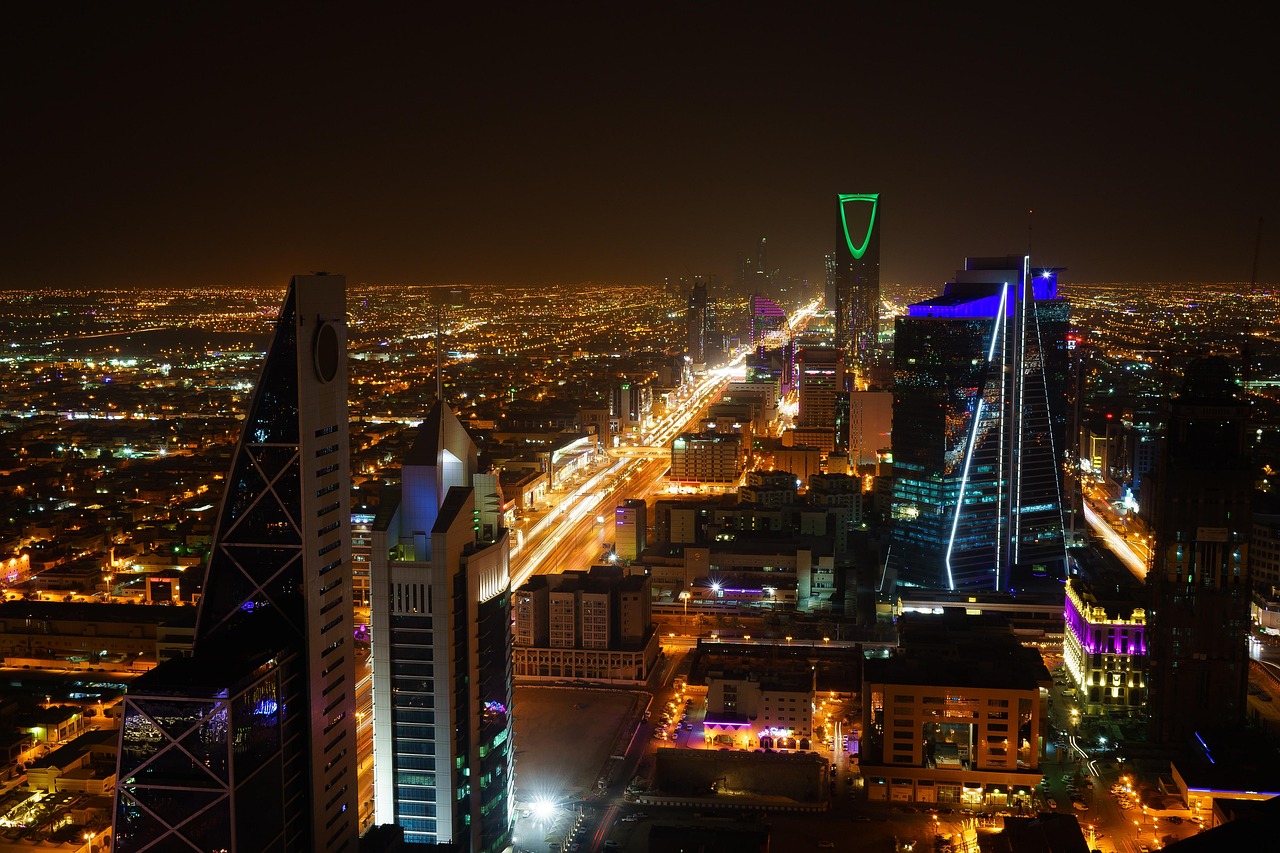

Saudi Arabia’s urban map is changing fast. The Top 10 Fastest Growing Cities in Saudi Arabia 2026 combines long-standing regional hubs with new economic and tourism nodes created by Vision 2030 projects. From Riyadh’s business boom to seaside developments like King Abdullah Economic City and NEOM’s futuristic construction in Tabuk, these cities are shaping travel, work and investment in the Kingdom.
This article lists the top 10 fastest growing cities in Saudi Arabia 2026, explains why they are expanding, and gives practical travel advice for visitors — including how to get there, what to see, and common mistakes to avoid. Use this as a planning guide and check official airline and government pages for up-to-date entry and transport information before you book.
Quick Answer
The Top 10 Fastest Growing Cities in Saudi Arabia 2026 are: Riyadh, Jeddah, NEOM/Tabuk area, King Abdullah Economic City (KAEC), AlUla, Jazan, Dammam/Khobar/Dhahran (Eastern Province), Madinah, Makkah, and Yanbu. Growth drivers include giga-projects, tourism development, port expansion, and energy and logistics investments.
Key Takeaways
- Vision 2030 and private investment are the main drivers of urban growth across Saudi Arabia.
- Major growth centers mix business (Riyadh, Eastern Province) and new tourism or industrial hubs (NEOM, AlUla, KAEC).
- Air travel is the easiest way to link these cities; major airports serve Riyadh, Jeddah, Dammam, Madinah and Abha/Asir.
- Plan ahead for religious seasons (Hajj/Umrah) and check travel rules and local events that may affect prices and availability.
Top 10 Fastest Growing Cities in Saudi Arabia 2026 — Quick List Table
| City | Region / Why It’s Growing | Nearest Major Airport |
|---|---|---|
| Riyadh | Capital expansion, Qiddiya, finance, cultural projects | King Khalid International Airport (Riyadh) |
| Jeddah | Red Sea access, port upgrades, tourism and commerce | King Abdulaziz International Airport (Jeddah) |
| NEOM / Tabuk | NEOM giga-project, tech, tourism, sustainability | Tabuk / regional airports (projects also use domestic links) |
| King Abdullah Economic City (KAEC) | Port & logistics, industrial zones, coastal tourism | Closest large airport: Jeddah or regional links |
| AlUla | Cultural tourism, heritage site restoration and luxury resorts | AlUla Regional Airport / domestic connections |
| Jazan | Jazan Economic City, port and industry, gateway to southwest | Jazan Regional Airport / domestic flights |
| Dammam / Khobar / Dhahran | Energy sector, Aramco-related activity, eastern port expansion | King Fahd International Airport (Dammam) |
| Madinah | Religious tourism infrastructure, pilgrim services, hospitality | Prince Mohammad bin Abdulaziz Airport (Madinah) |
| Makkah | Continued expansion for Hajj/Umrah visitors and transport links | Nearest major airport: Jeddah (King Abdulaziz) |
| Yanbu | Industrial port growth and Red Sea tourism gateway | Yanbu Regional / nearby Jeddah for international links |
Why these cities are growing
Saudi growth in 2026 is concentrated where the government and private sector have directed large investments. Energy and logistics hubs expand near ports, while tourism growth follows conservation and luxury-resort investments in places like AlUla and NEOM. Capital cities such as Riyadh receive finance, cultural and entertainment projects intended to diversify the economy.
City-by-city travel guide: What to expect
Riyadh — Commercial heart and cultural surge
Riyadh is a destination for business travelers and culture seekers. New museums, entertainment districts and Qiddiya theme-park development have widened things to do beyond shopping malls. Expect good hotel options and strong domestic flight connectivity.
Jeddah — Port city, food and Red Sea access
Jeddah combines old-town charm in Al-Balad with coastal promenades and ports that support new tourism developments. It’s the main gateway for many Red Sea projects and offers a lively dining scene and diverse accommodation choices.
NEOM / Tabuk — The futuristic coastal vision
NEOM is the headline project driving Tabuk-area growth. Visitors will see a mix of construction zones and protected coastal areas being opened for high-end tourism and tech-focused business. Travel here may require planning around construction activity and official access rules.
King Abdullah Economic City (KAEC) — Port and logistics
KAEC is geared toward industry, shipping and coastal tourism, and it’s a practical base for exploring the Red Sea coastline. It combines residential communities with growing business infrastructure.
AlUla — Heritage tourism with luxury flair
AlUla’s restored heritage sites and desert landscapes attract cultural travelers. Luxury lodges and guided archaeological tours have turned what was a quiet oasis into a curated visitor experience. Book guided tours in advance during peak months.
Jazan — Emerging industrial and agricultural hub
Jazan’s economic city and port upgrades are encouraging industrial investment and improved connectivity to Yemen and the Red Sea. The region is less touristy than others but offers a glimpse of local life and rugged coastal scenery.
Dammam / Khobar / Dhahran — Eastern Province energy cluster
The Eastern Province continues to expand around energy and petrochemical sectors. Business travel dominates but coastal views and growing hospitality options make this region increasingly visitor-friendly.
Madinah and Makkah — Pilgrimage-driven expansion
Madinah and Makkah experience steady infrastructure investment tied to Hajj and Umrah. Hotel capacity, transport links and visitor services are primary growth areas, so expect dense crowds during religious seasons and well-developed pilgrim services year-round.
Yanbu — Port industry and Red Sea gateway
Yanbu blends industrial growth with water-based tourism potential. It’s a growing logistics hub that also serves as a quieter alternative for Red Sea experiences and diving excursions.
Practical tips for visiting fast-growing Saudi cities
- Book flights early for Riyadh, Jeddah and seasonal pilgrim traffic periods to secure better schedules.
- Use domestic flights to save time; Saudi Arabia’s internal network connects many growth cities faster than ground travel.
- Check official government sites for visa and entry requirements; rules can change and depend on nationality and purpose of travel.
- Respect local customs — modest dress in public and awareness of prayer times will make daily travel smoother.
- When visiting project-led areas (NEOM, KAEC, AlUla), confirm tour availability and access restrictions in advance.
Common mistakes to avoid
- Assuming all cities offer the same tourist infrastructure — newer project areas may have limited public transport and fewer restaurants.
- Traveling during peak Hajj dates without booking months ahead — accommodation sells out quickly in Makkah and Madinah.
- Relying solely on taxis in larger cities — ride-hailing apps and rental cars are often more reliable and transparent on price.
Best Tips for Planning Your Trip
- Map your priorities: combine business hubs (Riyadh, Dammam) with tourism-focused cities (AlUla, Yanbu) to diversify the itinerary.
- Layer domestic flights and one or two multi-day drives; coastal highways and new roads connect many growth areas but distances can be large.
- Choose accommodation near the main sights or business districts to avoid long commutes in traffic.
- Buy travel insurance and confirm cancellation policies — construction projects and event schedules can shift.
- Book guided experiences for heritage sites and desert excursions to maximize safety and local insight.
Who is this best for?
This overview is best for travelers planning to visit or invest in Saudi Arabia in 2026 — including business visitors, cultural tourists seeking new heritage sites, and investors monitoring real estate or hospitality opportunities. It also helps planners who need to balance pilgrimage timing with leisure travel to emerging destinations.
Is it worth it?
Yes, if you want to experience a rapidly changing country where traditional culture meets large-scale development. Expect a mix of world-class new attractions, improved connectivity, and areas still under construction; plan accordingly and your visit will reveal unique contrasts and opportunities.
Conclusion
The Top 10 Fastest Growing Cities in Saudi Arabia 2026 reflect a national push to diversify the economy and open the Kingdom to more international visitors. Whether you prioritize business, beachside resorts, heritage or pilgrimage, these cities offer different reasons to visit. Prepare with flexible plans, check official travel and visa sources, and allow extra time when moving between older urban centers and newly developed project zones.
Frequently Asked Questions
What are the fastest growing cities in Saudi Arabia in 2026?
The fastest growing cities include Riyadh, Jeddah, NEOM/Tabuk, King Abdullah Economic City, AlUla, Jazan, the Eastern Province (Dammam/Khobar/Dhahran), Madinah, Makkah, and Yanbu. Growth is driven by giga-projects, tourism, ports and energy investments.
How do I travel between these growing cities?
Domestic flights are the quickest option between major hubs; Saudi Arabia also has an expanding road network and rail lines in some corridors. Check current domestic schedules and road conditions before you travel.
Are these cities safe for tourists?
Most major Saudi cities are safe for visitors, with significant security and hospitality investments in tourist zones. Standard precautions apply: keep documents secure, follow local laws and customs, and check travel advisories from official sources.
When is the best time to visit these cities?
Cooler months (autumn to spring) are generally more comfortable for travel and outdoor activities. Pilgrimage seasons affect Makkah and Madinah with higher visitor numbers, so plan and book well in advance if visiting then.
Do I need a visa to visit these cities?
Visa requirements depend on your nationality and travel purpose. Saudi Arabia offers electronic visas and other entry routes for many countries, so consult the official Saudi eVisa or consular website for current rules before booking.
Which city is best for cultural tourism?
AlUla is a top choice for cultural and archaeological tourism, while Jeddah’s Al-Balad offers historic architecture and Madinah provides deep religious heritage. Each city offers distinct cultural experiences linked to local history and restoration projects.
Can I visit NEOM as a tourist in 2026?
Parts of NEOM are being developed for tourism while other areas remain construction zones or restricted for project purposes. Check official NEOM visitor information and tour operators for available experiences and access rules.
What should I budget for internal travel within Saudi Arabia?
Internal travel costs vary by transport mode, season and how far in advance you book. Domestic flights and private transfers are common; compare options and book early for better rates. For exact costs, check airlines and transport providers directly.