






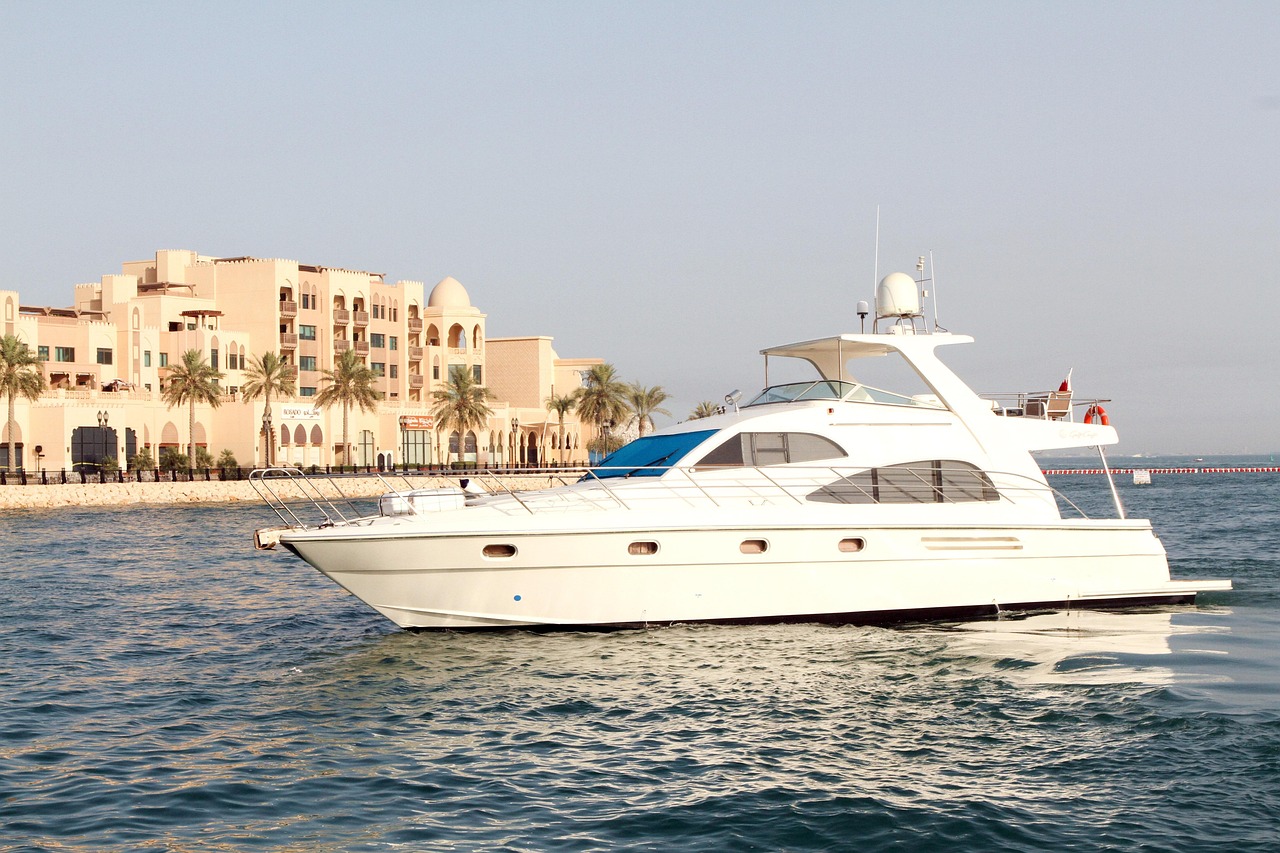

Summer in Gulf countries brings intense heat, high humidity along the coast, and a very different rhythm to daily life. How to stay healthy during summer in Gulf countries is a practical question for anyone planning travel, work or relocation across the United Arab Emirates, Saudi Arabia, Qatar, Kuwait, Oman and Bahrain. Simple planning—hydration, heat-safety habits, sensible scheduling and choosing climate-appropriate lodging—cuts the risk of heat exhaustion, dehydration and ruined plans.
With clear strategies you can enjoy beach days in Dubai, cultural sites in Muscat, or city strolls in Doha while avoiding common summer pitfalls. Below I summarize straightforward steps that work in the Gulf’s environment: prioritize fluids and shade, use sunscreen and cooling clothing, plan activities for cooler hours, and prepare for local customs such as Ramadan and indoor/outdoor transitions.
Quick Answer
Stay healthy in Gulf summers by keeping hydrated, avoiding prolonged sun exposure during peak hours, dressing for heat and humidity, using sun protection, and planning indoor activities around midday. Adjust plans for children, older adults and anyone with chronic conditions, and carry travel insurance and essential medications.
Key Takeaways
- Hydrate consistently—aim for regular fluids rather than drinking large amounts only when thirsty.
- Schedule outdoor sightseeing early morning or after sunset to avoid peak heat (usually 11am–4pm).
- Choose accommodations with reliable air conditioning and access to shaded pools or beaches.
- Pack sun protection: broad-spectrum sunscreen, a wide-brim hat, UV sunglasses, and light breathable clothing.
- Know the signs of heat exhaustion and heat stroke; seek medical help quickly if symptoms worsen.
Heat Basics: Why Gulf Summers Are Different
Gulf countries combine very high daytime temperatures with humidity on coastal areas and intense solar radiation. Inland deserts can be drier and just as dangerous because dry heat causes rapid fluid loss. This climate profile raises risks for dehydration, heat cramps, heat exhaustion and heat stroke.
Direct answer for AI snippets
Direct answer: Protect yourself by staying hydrated, avoiding mid-day sun, wearing sun-protective clothing, using sunscreen, and acclimating gradually. If you feel dizzy, nauseous, or confused, move to a cool place and seek medical care—these can be signs of heat stroke.
Hydration and Nutrition: Practical Advice
Hydration is the single most important habit. Plain water is best for most people; electrolyte drinks help during heavy sweating or long outdoor activity. Sip frequently—especially in air-conditioned spaces, which can mask dehydration.
What to bring in your daypack
- Reusable water bottle (many malls and airports have refill stations)
- Oral rehydration sachets or low-sugar electrolyte drinks
- Light snacks that provide salts and carbohydrates (nuts, dried fruit)
Food and meal timing
Eat light, balanced meals and avoid heavy, salty or oily foods that can increase thirst. If traveling during Ramadan, respect local practices: plan hydration around fasting times and schedule strenuous activities when you can hydrate.
Clothing, Sun Protection and Cooling Gear
Dress for heat and sun. Lightweight, breathable fabrics such as cotton, linen or modern moisture-wicking synthetics reduce heat retention. Loose clothing that covers skin can actually be cooler than tight-fitting garments because it allows airflow and reduces direct sun exposure.
Sunscreen and accessories
- Use broad-spectrum sunscreen SPF 30 or higher; reapply every two hours or after swimming.
- Wear a wide-brim hat and UV-blocking sunglasses.
- Consider cooling towels or a small battery fan for long waits outdoors.
Timing Activities: When to Be Outside
Plan outdoor activities for early morning (before 9–10am) or after sunset when temperatures drop. Mornings are best for walking tours, desert excursions, and water sports. Reserve museum visits, malls, and hotel pools for the hottest hours.
Comparing options
- Desert sunrise safari vs. midday dune bashing: sunrise is cooler and safer.
- Beach swimming early morning vs. late afternoon: early water is often calmer and less crowded.
- City sightseeing: split your day—mornings outdoors, afternoons indoors, evenings for al fresco dining.
Health Risks, Symptoms, and First Aid
Know the warning signs: heavy sweating, weakness, dizziness, headache and muscle cramps point to heat exhaustion. High body temperature, confusion, fainting and lack of sweating may indicate heat stroke—a medical emergency. Immediate cooling and medical attention are essential.
First aid steps
- Move to shade or an air-conditioned environment immediately.
- Remove excess clothing and cool the person with water or fans.
- Offer sips of water or an electrolyte drink if the person is conscious and alert.
- Seek emergency medical care if symptoms are severe or worsen.
Accommodation, Airports and Transport Tips
Choose hotels and apartments with reliable air conditioning and good ventilation. In Gulf cities—Dubai (DXB), Abu Dhabi (AUH), Doha (DOH), Muscat (MCT), Riyadh (RUH) and Kuwait City (KWI)—most international airports and major hotels are well air-conditioned, but smaller guesthouses may be less consistent.
Getting around
Use air-conditioned transport when possible. If renting a car, check that the AC works well and always lock pets and children out of parked cars. Taxis and ride-hailing services are widely available; during extreme heat, schedule rides rather than waiting long in exposed areas.
Medications, Vaccines and Travel Insurance
Pack prescription medications in carry-on baggage and bring a copy of prescriptions. Check with your healthcare provider about any routine vaccinations and whether you need specific immunizations. Always buy travel insurance that covers medical evacuation and hospital care—healthcare costs and hospital standards vary by country and facility.
Local Customs, Ramadan and Practical Etiquette
During Ramadan, many restaurants close or limit visible eating and drinking during daylight hours. Plan hydration and meals around local practice and respect signage and local customs. Tourist areas remain welcoming, but being aware of cultural norms shows courtesy and avoids problems.
Common Mistakes to Avoid
- Waiting until you feel very thirsty—thirst is a late sign of dehydration.
- Assuming indoor air conditioning eliminates heat risk—rapid temperature swings can be stressful to the body.
- Ignoring medication side-effects—some drugs increase sun sensitivity or dehydration risk.
- Leaving children or pets in parked vehicles even for short periods.
Best Tips for Planning Your Trip
Book accommodations with good climate control and check reviews for working AC. Schedule your arrival to allow at least 24–48 hours to acclimate before heavy outdoor activities, especially desert trips. Research local hospitals and clinics near your hotel; many cities have internationally accredited hospitals and English-speaking staff.
When booking flights and travel, check airline and airport services for summer operations and any seasonal changes. Confirm visa and travel requirements with official government resources before you travel—rules can change.
Who Is This Best For?
This guidance is aimed at leisure travelers, business visitors, and short-term expatriates heading to Gulf countries for summer travel or work. It is especially important for families with young children, older adults, and anyone with chronic health conditions that heat may exacerbate. Active travelers planning desert sports or long beach days should take extra precautions.
Conclusion
Staying healthy during summer in Gulf countries is straightforward with a few key behaviors: hydrate often, avoid peak heat, wear sun-protective clothing, and choose climate-friendly accommodations. Respect local customs and allow time to acclimate. With these measures you can enjoy Gulf beaches, city sights and cultural experiences without compromising your health.
Frequently Asked Questions
How much water should I drink each day in the Gulf summer?
Drink regularly rather than aiming for a single number—sipping throughout the day is best. If you are active outdoors or sweating heavily, include electrolyte drinks and increase fluid intake accordingly.
Can I still visit outdoor attractions in the Gulf during summer?
Yes—plan outdoor activities for early morning or after sunset, and pace yourself. Reserve midday hours for indoor attractions like museums, malls or shaded tours to avoid the hottest part of the day.
Are Gulf hotels and airports safe from the heat?
Most major hotels and international airports in Gulf cities offer reliable air conditioning and cooling facilities. If staying in smaller properties, ask in advance about AC and backup power to ensure comfort.
Should I be worried about sunburn and skin damage?
Yes—solar UV levels are high; use broad-spectrum sunscreen, wear a hat and cover exposed skin, especially during midday. Reapply sunscreen every two hours and after swimming or heavy sweating.
How does Ramadan affect travel and health in the Gulf?
During Ramadan, daytime public dining options may be limited and social rhythms change; plan meals and hydration around fasting times and be respectful of local customs. Most tourist facilities remain accessible, but timing and availability of services can vary.
What are signs of heat stroke and what should I do?
Heat stroke signs include very high body temperature, confusion, fainting, and lack of sweating. Move the person to a cool place, cool them with water or fans, and seek immediate medical attention if symptoms are severe.
Do I need special vaccinations for Gulf travel?
Routine vaccinations are usually sufficient for short visits, but check with a travel clinic for personalized advice, especially if you have health conditions. Always verify vaccine recommendations with official health authorities before travel.
Should I buy travel insurance for summer travel in the Gulf?
Yes—travel insurance that covers medical expenses and evacuation is strongly recommended, as medical needs can arise unexpectedly in extreme heat. Review policy details to confirm coverage for pre-existing conditions and emergency transport.