





By using this site, you agree to the Privacy Policy and Terms of Use.
Accept
Gulf PressGulf Press
  • Gulf News
    • Saudi Arabia
    • UAE
    • Oman
    • Kuwait
    • Qatar
    • Bahrain
  • Business
  • Technology
  • Real Estate
  • Sport
  • Travel
  • Lifestyle
  • Rankings
  • Explained
  • Opinion
Search
Countries
More Topics
Site Links
  • Newsletter
  • Terms
  • About Us
  • Advertise with us
  • Contact Us
© 2023 Gulf Press. All Rights Reserved.
Reading: What were the connections between the Yugoslav secret police and the Slovenia Commission pick?
Share
Notification Show More
Latest News
Abdullah bin Hamad Al-Attiyah 50 Years of Energy Leadership
Qatar
Two Emergency Spinal Surgeries Succeed at Rustaq Hospital
Oman
Electricity Services Committee Approves Energy Storage Sites in Al-Mutlaa and Jabir Al-Ahmad
Kuwait
Foreign Minister Strengthens Friendship and Cooperation Ties with the Philippines
Bahrain
Post-Eid Return Shock: 8 Health Issues Dragging Employee Productivity
UAE
Aa
Gulf PressGulf Press
Aa
  • Gulf News
  • Business
  • Technology
  • Real Estate
  • Sport
  • Travel
  • Lifestyle
  • Rankings
  • Explained
  • Opinion
Search
  • Gulf News
    • Saudi Arabia
    • UAE
    • Oman
    • Kuwait
    • Qatar
    • Bahrain
  • Business
  • Technology
  • Real Estate
  • Sport
  • Travel
  • Lifestyle
  • Rankings
  • Explained
  • Opinion
Have an existing account? Sign In
Follow US
  • Terms
  • About Us
  • Advertise with us
  • Contact Us
© 2023 Gulf Press. All Rights Reserved.

Home » What were the connections between the Yugoslav secret police and the Slovenia Commission pick?

Gulf News

What were the connections between the Yugoslav secret police and the Slovenia Commission pick?

News Room
Last updated: 2024/09/14 at 2:46 AM
News Room
Share
3 Min Read
SHARE

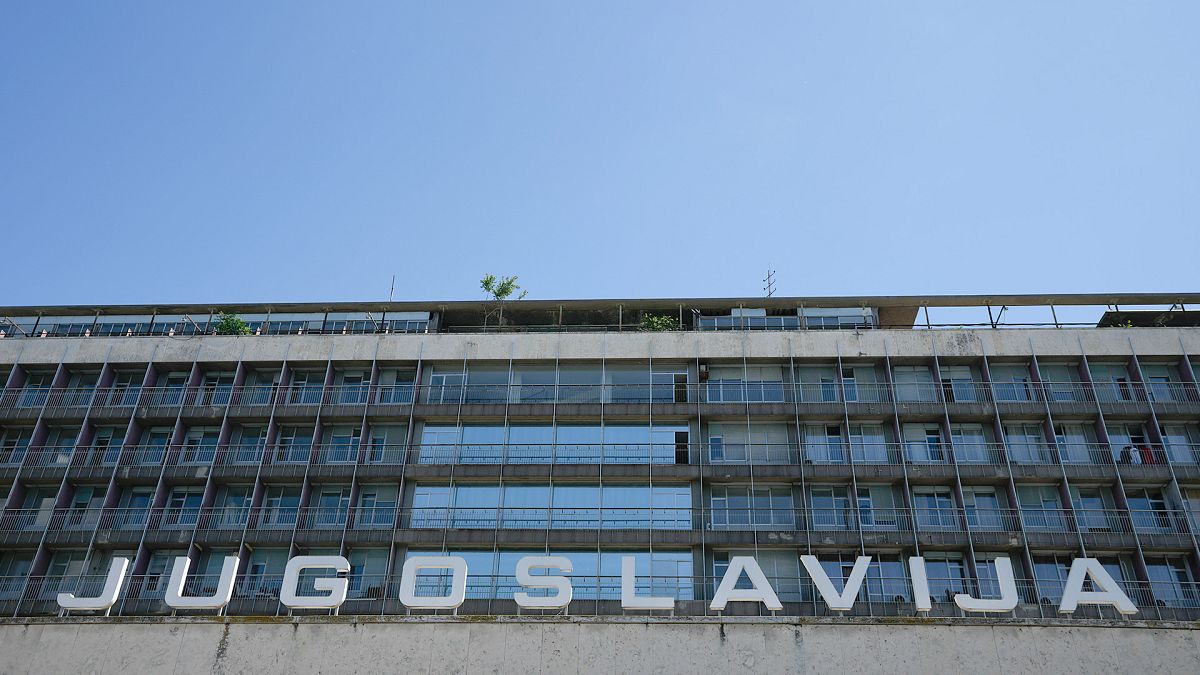
Marta Kos’ nomination to the European Commission brought her past with the Yugoslav secret service to the forefront, sparking controversy and raising questions about her role in the socialist republic’s spy agency. Critics have pointed out UDBA’s extreme actions, including extrajudicial murders, as indicative of Yugoslavia’s oppressive nature. However, historians argue that UDBA was not as brutal as other security agencies of the time. The agency played a role in maintaining Yugoslavia’s independence and security in the midst of Cold War tensions.

Yugoslav secret service, UDBA, was known for its covert actions against those perceived as a threat to the socialist regime. Under the leadership of Aleksandar Ranković, UDBA dealt with nationalist movements and external threats. The agency underwent reforms in the 1960s, becoming decentralized and more focused on internal security. This shift coincided with Yugoslavia’s adoption of a more liberal form of communism, dubbed “Coca-Cola communism,” which embraced Western influences. UDBA collaborated with various international agencies and played a role in targeting political enemies in exile.

The nature of UDBA’s operations made it difficult to distinguish between actual agents and ordinary citizens who were monitored or interviewed on various issues. Informants were classified as anyone of interest who provided information to the agency, leading to misconceptions about individuals’ involvement with the secret service. Marta Kos, being in her mid-20s at the time of Yugoslavia’s dissolution, has been caught in a political crossfire, with accusations of her past association with UDBA being used to discredit her and her party.

The concept of lustration, the removal of public officials associated with a tainted regime, is challenging in the case of the former Yugoslavia. Many individuals who worked for the secret service or security apparatus later played active roles in defending their countries during periods of conflict, blurring the lines between past affiliations and current loyalties. The political use of accusations related to past secret service involvement reflects internal power struggles and attempts to discredit opponents rather than genuine concerns about European security.

While debates surround Marta Kos’ alleged ties to the Yugoslav secret service, it is essential to consider the context of UDBA’s operations within the broader geopolitical landscape of the time. Yugoslavia’s unique position as an independent socialist state during the Cold War influenced the agency’s focus on external threats and collaborations with international actors. The agency’s legacy continues to raise questions about past actions and the challenges of accurately assessing individuals’ roles within the complex network of a former secret service. Ultimately, understanding the nuances of Marta Kos’ background requires an appreciation of the historical context in which she operated and the political motives behind the current scrutiny of her past connections.


Sign Up For Daily Newsletter

Be keep up! Get the latest breaking news delivered straight to your inbox.
I have read and agree to the terms & conditions
By signing up, you agree to our Terms of Use and acknowledge the data practices in our Privacy Policy. You may unsubscribe at any time.
Share this Article
Facebook Twitter Copy Link Print
Previous Article UAE: The Benefits of Encouraging Students to Shower in School After PE Classes
Next Article United States imposes sanctions on Cambodian Senator Ly Yong Phat for involvement in cryptocurrency scams.
Leave a comment Leave a comment

Leave a Reply Cancel reply

Your email address will not be published. Required fields are marked *

Stay Connected

235.3k Followers Like
69.1k Followers Follow
56.4k Followers Follow
136k Subscribers Subscribe
- Advertisement -
Ad imageAd image

Latest News

Abdullah bin Hamad Al-Attiyah 50 Years of Energy Leadership
Qatar June 2, 2026
Two Emergency Spinal Surgeries Succeed at Rustaq Hospital
Oman June 2, 2026
Electricity Services Committee Approves Energy Storage Sites in Al-Mutlaa and Jabir Al-Ahmad
Kuwait June 2, 2026
Foreign Minister Strengthens Friendship and Cooperation Ties with the Philippines
Bahrain June 2, 2026

You Might also Like

Qatar

Abdullah bin Hamad Al-Attiyah 50 Years of Energy Leadership

June 2, 2026
Oman

Two Emergency Spinal Surgeries Succeed at Rustaq Hospital

June 2, 2026
Kuwait

Electricity Services Committee Approves Energy Storage Sites in Al-Mutlaa and Jabir Al-Ahmad

June 2, 2026
Bahrain

Foreign Minister Strengthens Friendship and Cooperation Ties with the Philippines

June 2, 2026
UAE

Post-Eid Return Shock: 8 Health Issues Dragging Employee Productivity

June 2, 2026
Saudi Arabia

Hajj Message: From Administration to Coexistence and Religious Moderation

June 2, 2026
UAE

Health Ministry Reveals 6 Ebola Symptoms Like Flu and 4 Travel Precautions

June 2, 2026
Saudi Arabia

Harvard Graduation Sees 70 Saudi Graduates From Elite Institutions

June 2, 2026
//

GulfPress is a modern Gulf media platform delivering trusted news, business insights, technology updates, real estate trends, travel stories, explainers, and rankings from across the GCC and the Middle East.

Quick Link

  • About Us
  • Editorial Policy
  • Corrections Policy
  • Advertise with us
  • Contact Us
  • Privacy Policy
  • Terms of use

How Topics

  • Gulf News
  • Business
  • Lifestyle

Sign Up for Our Newsletter

Subscribe to our newsletter to get our latest news instantly!

I have read and agree to the terms & conditions
Gulf PressGulf Press
Follow US

© 2023 Gulf Press. All Rights Reserved.

Join Us!

Subscribe to our newsletter and never miss our latest news, podcasts etc..

I have read and agree to the terms & conditions
Zero spam, Unsubscribe at any time.

Removed from reading list

Undo
Welcome Back!

Sign in to your account

Lost your password?