






By using this site, you agree to the Privacy Policy and Terms of Use.
Accept
Gulf PressGulf Press
  • Gulf News
    • Saudi Arabia
    • UAE
    • Oman
    • Kuwait
    • Qatar
    • Bahrain
  • Business
  • Technology
  • Real Estate
  • Sport
  • Travel
  • Lifestyle
  • Rankings
  • Explained
  • Opinion
Search
Countries
More Topics
Site Links
  • Newsletter
  • Terms
  • About Us
  • Advertise with us
  • Contact Us
© 2023 Gulf Press. All Rights Reserved.
Reading: Slovak Language Law Raises Concerns About Rights of Hungarian Minority
Share
Notification Show More
Latest News
Why More Expats Are Choosing Saudi Arabia and UAE in 2026
Opinion
Hajj Message: From Administration to Coexistence and Religious Moderation
Saudi Arabia
Health Ministry Reveals 6 Ebola Symptoms Like Flu and 4 Travel Precautions
UAE
Harvard Graduation Sees 70 Saudi Graduates From Elite Institutions
Saudi Arabia
How to Buy Property in Dubai as a Foreigner
Real Estate
Aa
Gulf PressGulf Press
Aa
  • Gulf News
  • Business
  • Technology
  • Real Estate
  • Sport
  • Travel
  • Lifestyle
  • Rankings
  • Explained
  • Opinion
Search
  • Gulf News
    • Saudi Arabia
    • UAE
    • Oman
    • Kuwait
    • Qatar
    • Bahrain
  • Business
  • Technology
  • Real Estate
  • Sport
  • Travel
  • Lifestyle
  • Rankings
  • Explained
  • Opinion
Have an existing account? Sign In
Follow US
  • Terms
  • About Us
  • Advertise with us
  • Contact Us
© 2023 Gulf Press. All Rights Reserved.

Home » Slovak Language Law Raises Concerns About Rights of Hungarian Minority

Gulf News

Slovak Language Law Raises Concerns About Rights of Hungarian Minority

News Room
Last updated: 2024/11/13 at 10:50 AM
News Room
Share
4 Min Read
SHARE

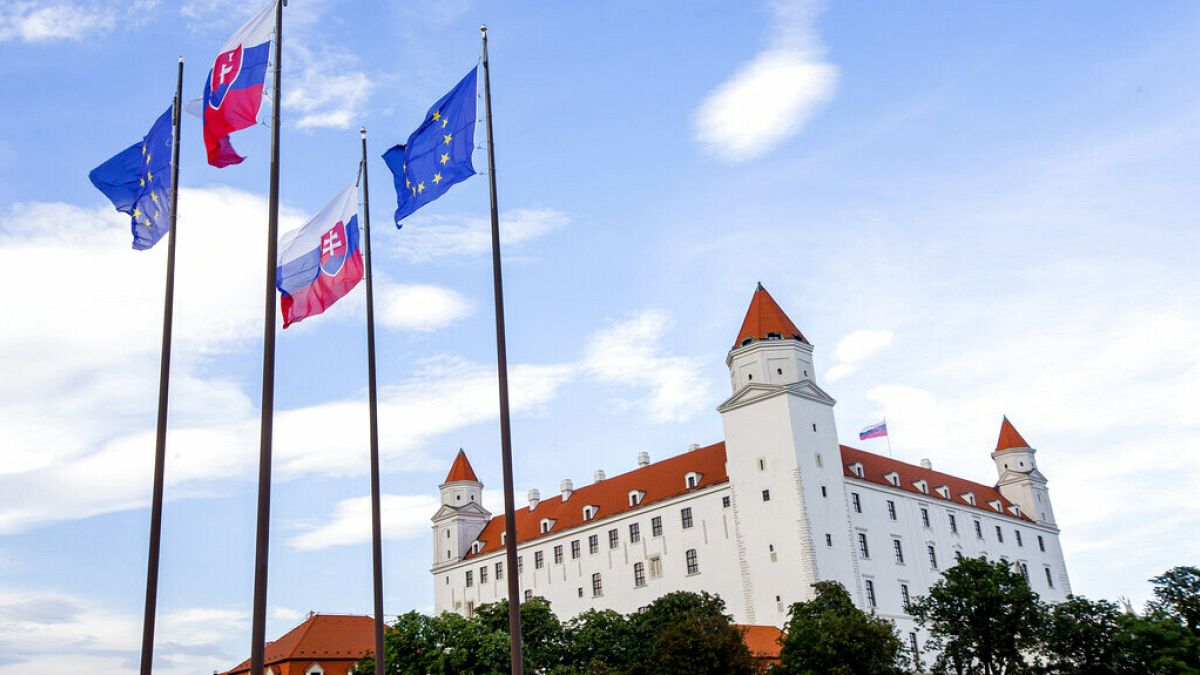
A recent proposed amendment to Slovakia’s language legislation has sparked concerns about the rights of the country’s Hungarian population. The draft law aims to crack down on the use of minority languages in public spaces, requiring Slovak text to appear first on public signs and advertisements. The amendment also prohibits the use of minority languages on public transport and in places like post offices, with violators facing fines of up to €15,000. This move has raised fears of a diplomatic setback between Bratislava and Budapest, as Slovakia and Hungary have a history of disputes over minority rights.

Slovakia previously adopted a similar language amendment in 2009, which made Slovak the mandatory language for civil servants and led to tensions with Hungary. However, recent improvements in relations between the two countries have been attributed to similar nationalist stances taken by Hungarian Prime Minister Viktor Orbán and Slovakian Prime Minister Robert Fico. Despite this, Slovak opposition lawmakers and human rights experts are concerned that the new proposal is even stricter than the 2009 amendment and could have negative consequences for businesses and the country’s competitiveness.

Critics of the proposed amendment, such as MP René Parák of the Freedom and Solidarity party (SaS), have labelled it as absurd and nationalistic, arguing that it restricts the rights of the country’s population to use their mother tongue freely. They also express concerns that the amendment could hinder entrepreneurship. However, Slovakia’s Culture Minister Martina Šimkovičová has defended the draft amendment, stating that it aims to solidify the status of the state language and ensure efficient state control over language use.

Hungary’s Foreign Minister Peter Szijjártó has sought reassurance from his Slovak counterpart that any changes to the language law will not infringe upon the rights of Slovakia’s Hungarian minority. Hungarians make up around 8% of Slovakia’s population, making them the largest minority group in the country. The historical context of Hungarian rule over Slovakia within the Austro-Hungarian empire has contributed to ongoing tensions between the two nations regarding minority rights and language use. Slovakia’s Prime Minister Fico’s alignment with Hungary’s Orbán on issues such as Russia and migration has also played a role in recent diplomatic developments between the two countries.

In conclusion, the proposed amendment to Slovakia’s language legislation has reignited concerns about minority rights, particularly those of the Hungarian population. The strict language regulations could have implications for businesses, competitiveness, and freedom of information dissemination in minority languages. While the Slovak government defends the amendment as a means to strengthen the status of the state language, critics argue that it is nationalistic and could hinder minority rights. The ongoing dialogue between Slovakia and Hungary regarding the language law reflects deeper historical and political tensions between the two nations, as well as the evolving dynamics of their diplomatic relations.


Sign Up For Daily Newsletter

Be keep up! Get the latest breaking news delivered straight to your inbox.
I have read and agree to the terms & conditions
By signing up, you agree to our Terms of Use and acknowledge the data practices in our Privacy Policy. You may unsubscribe at any time.
Share this Article
Facebook Twitter Copy Link Print
Previous Article King Hamad receives Knight Grand Cross
Next Article Aspire Dome prepares to host the 2024 Sky Grace Rhythmic Gymnastics Championship
Leave a comment Leave a comment

Leave a Reply Cancel reply

Your email address will not be published. Required fields are marked *

Stay Connected

235.3k Followers Like
69.1k Followers Follow
56.4k Followers Follow
136k Subscribers Subscribe
- Advertisement -
Ad imageAd image

Latest News

Why More Expats Are Choosing Saudi Arabia and UAE in 2026
Opinion June 2, 2026
Hajj Message: From Administration to Coexistence and Religious Moderation
Saudi Arabia June 2, 2026
Health Ministry Reveals 6 Ebola Symptoms Like Flu and 4 Travel Precautions
UAE June 2, 2026
Harvard Graduation Sees 70 Saudi Graduates From Elite Institutions
Saudi Arabia June 2, 2026

You Might also Like

Saudi Arabia

Hajj Message: From Administration to Coexistence and Religious Moderation

June 2, 2026
UAE

Health Ministry Reveals 6 Ebola Symptoms Like Flu and 4 Travel Precautions

June 2, 2026
Saudi Arabia

Harvard Graduation Sees 70 Saudi Graduates From Elite Institutions

June 2, 2026
Qatar

US-Iran Brinkmanship: Escalation and De-escalation Scenarios

June 2, 2026
Oman

Registration Open for Strategic Research Projects Program Deadline June 14

June 2, 2026
Kuwait

Official: Criminal Record Certificate Required for Nonprofit Board Candidates

June 2, 2026
Bahrain

Has the Middle East War Scenario Reached Its Final Stage

June 2, 2026
UAE

Video: Dubai Police Arrest Luxury Oud Gang in 12 Hours

June 2, 2026
//

GulfPress is a modern Gulf media platform delivering trusted news, business insights, technology updates, real estate trends, travel stories, explainers, and rankings from across the GCC and the Middle East.

Quick Link

  • About Us
  • Editorial Policy
  • Corrections Policy
  • Advertise with us
  • Contact Us
  • Privacy Policy
  • Terms of use

How Topics

  • Gulf News
  • Business
  • Lifestyle

Sign Up for Our Newsletter

Subscribe to our newsletter to get our latest news instantly!

I have read and agree to the terms & conditions
Gulf PressGulf Press
Follow US

© 2023 Gulf Press. All Rights Reserved.

Join Us!

Subscribe to our newsletter and never miss our latest news, podcasts etc..

I have read and agree to the terms & conditions
Zero spam, Unsubscribe at any time.

Removed from reading list

Undo
Welcome Back!

Sign in to your account

Lost your password?