








Updated: 2026 — An overview of the economic, social and regulatory trends attracting global talent to the Gulf.
Overview
By 2026 the Gulf has continued to shift from a narrow hydrocarbons economy to a more diversified, services- and knowledge-driven region. Saudi Arabia and the United Arab Emirates (UAE) have been among the most active markets in this transformation, and as a result an increasing number of expatriates are choosing to live and work there. Below are the key reasons behind this trend and what it means for people considering a move.
1. Strong economic opportunity and large-scale projects
Both countries have accelerated public and private investment into mega-projects and strategic sectors that create jobs and entrepreneurial opportunities:
- Saudi Arabia: major tourism, hospitality and urban projects (coastal resorts, heritage destinations, and smart-city developments) plus heavy investment in renewables, mining, logistics, and advanced manufacturing.
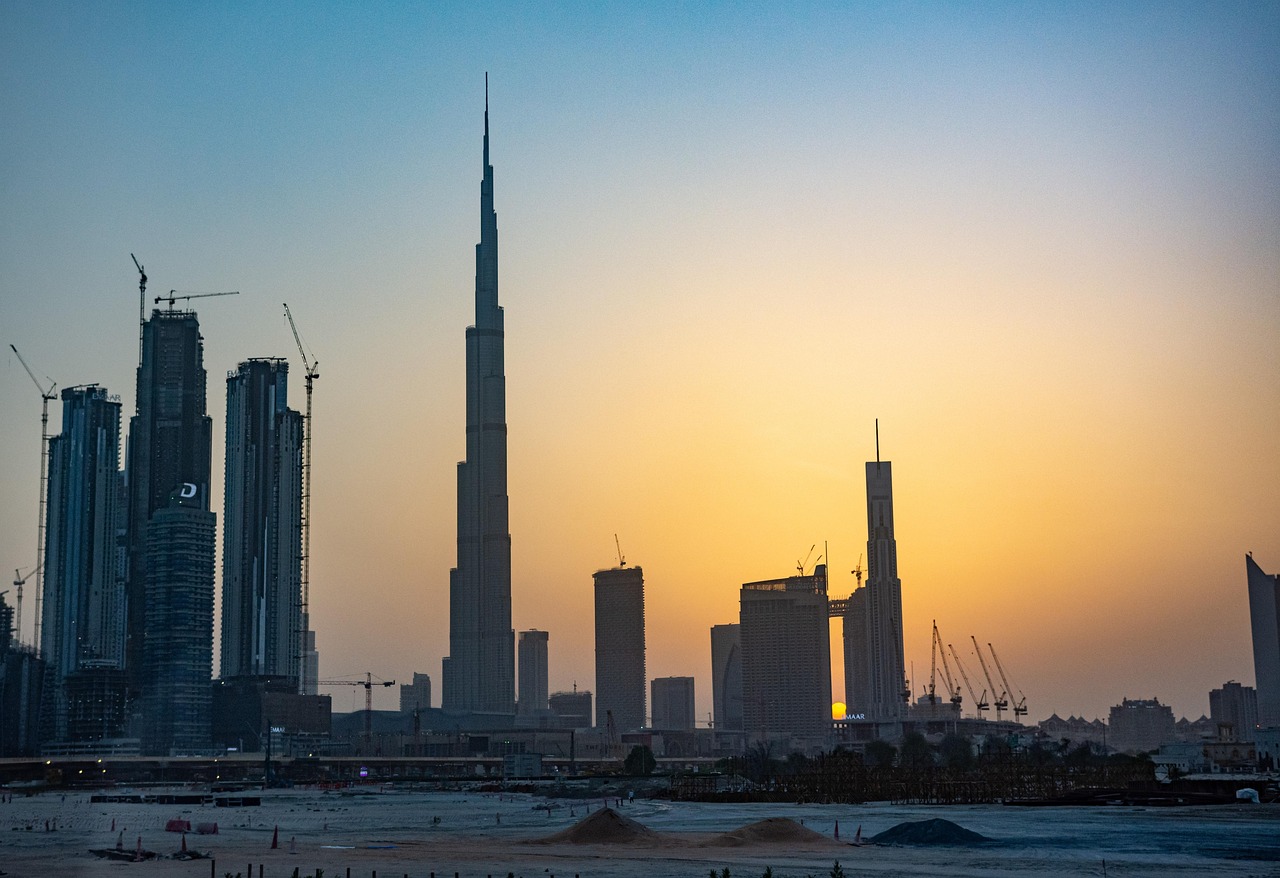
- UAE: long-established free zones, a diverse services economy (finance, aviation, logistics, tourism, and technology), and continued investment in tourism and entertainment infrastructure.
- Across both markets, demand is strong for talent in technology, engineering, project management, hospitality, healthcare, renewable energy, and finance.
2. Residency and visa reforms that favor longer stays
Over recent years both countries introduced new residency and visa pathways to attract skilled workers, entrepreneurs, investors and remote workers. These changes have made it easier to plan medium- and long-term relocation:
- UAE: expansion of long-term “golden” and investor visas, remote work visas and streamlined business setup in free zones.
- Saudi Arabia: expanded tourist and investor access, pilot long-term residency options for investors and skilled professionals, and more predictable sponsorship and employment rules in many sectors.
- The overall effect is less dependence on short-term employer sponsorship and more stability for families and entrepreneurs.
3. Improving quality of life and social change
Both countries have invested heavily in leisure, culture and public services, broadening lifestyle options for residents:
- Vibrant cultural calendars with concerts, festivals, exhibitions and international sporting events.
- Rapid expansion of international-standard healthcare facilities and international schools in major cities.
- More diverse dining, entertainment and leisure offerings, alongside ongoing social liberalization that makes daily life easier for many expatriates and families.
4. Competitive personal finances and business environment
For many expats the financial logic remains compelling:
- Personal income is generally not subject to personal income tax in most job arrangements, which can translate into higher net take-home pay compared with many western countries.
- Both markets offer business-friendly ecosystems — the UAE with mature free zones and international financial centers, Saudi with rapid reforms aimed at attracting foreign direct investment and private capital.
- Banking, payment and fintech ecosystems have matured, making it easier to manage cross-border work and investments.
5. Safety, infrastructure and connectivity
Low crime rates, extensive infrastructure investment and strong air connectivity are frequently-cited reasons expats move to the Gulf:
- Modern airports, expanding metro and public-transport networks in major cities, and large-scale housing and commercial developments.
- Healthcare and emergency services that meet international standards in major urban areas.
- Geographic positioning that provides fast travel links to Europe, Africa and Asia — attractive for multinational professionals and regional business hubs.
6. A growing tech and startup ecosystem
Investment in technology, AI, fintech, logistics tech, and clean energy has accelerated. That has led to:
- More startup funding, incubators, accelerators and corporate innovation units based in Dubai, Abu Dhabi and Riyadh.
- Increased hiring of specialists in software, AI, cloud, cybersecurity, data science and digital product roles.
7. Sectors hiring in 2026
Key sectors actively recruiting expatriate talent include:
- Renewables and clean energy (solar, hydrogen)
- Construction, engineering and project management (mega-projects)
- Hospitality, tourism and F&B
- Healthcare and medical services
- Technology, AI and fintech
- Logistics and aviation
- Education and international schools
Comparing Saudi Arabia and the UAE — quick snapshot
Saudi Arabia
- Rapidly diversifying economy with very large public projects and long-term investment plans.
- Growing tourism and entertainment sectors opening new job categories.
- Increasingly favorable residency and investor options as the country competes for talent and capital.
UAE
- Well-established expatriate hubs with mature services, finance and free-zone ecosystems.
- Long-standing international communities, wide choice of schools and healthcare options.
- Flexible visa options for investors, remote workers and long-term residents.
Practical tips for prospective expats
- Research visas and residency pathways that suit your objectives (work contract, investor visa, long-term residency, remote work permit).
- Factor housing, school availability and healthcare into salary negotiations—many employers include allowances.
- Understand local labor law and employment contract details, including end-of-service benefits and notice periods.
- Respect local laws and customs while taking advantage of expanding cultural and social opportunities.
- Use local professional networks and recruitment platforms to evaluate demand in your field.
Conclusion
In 2026, Saudi Arabia and the UAE are attracting more expatriates for a combination of economic opportunity, improved residency options, upgraded quality of life and strong public investment in infrastructure and new industries. Whether you prioritize job opportunities, entrepreneurial prospects, family life or a regional hub with excellent global connectivity, both markets offer compelling reasons to consider a move. As always, careful planning—financial, legal and practical—will deliver the best outcome for a successful relocation.