

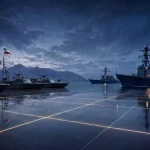






Has the war game in the Middle East reached its full configuration?
Who: Regional governments, non-state armed groups, and external powers are involved. What: Analysts are assessing whether the patterns and alliances that shape a wider war game in the Middle East have solidified. When and Where: Recent developments over weeks and months across multiple fronts from the Gulf to the Levant and southern Mediterranean have prompted renewed scrutiny. The report indicates shifting military postures and diplomatic signals.
Immediate developments and key actors
Several recent incidents and policy announcements have driven attention to the region, officials said. Meanwhile, troop movements, new arms transfers, and public statements by defense ministries have increased the sense of an expanding strategic contest. Furthermore, external powers’ naval deployments and air patrols have added another layer to what observers call a complex regional contest.
How the pieces fit: alliances, proxies and strategic objectives
Why this matters: The formation of durable alignments is central to whether a coherent war game in the Middle East has been established. Analysts note that proxy conflicts, military alliances, and economic pressure campaigns can combine to create sustained strategic patterns. Therefore, understanding the objectives of both state and non-state actors is essential to forecasting future escalation or de-escalation.
Proxy conflicts and regional escalation
Proxy conflicts remain a core mechanism through which actors exert influence without direct confrontation. According to defense analysts, support for armed groups, intelligence cooperation, and targeted strikes have all continued in ways that complicate traditional diplomacy. In contrast, some states have pursued backchannel talks to limit unintended escalation.
Military posture and capabilities shaping the scenario
Military alliances and capability buildups are reshaping local balances, officials said. Recent procurement decisions, joint exercises, and forward basing of forces are altering how states calculate risk. Meanwhile, improvements in missile, naval, and cyber capacities contribute to a multidomain environment where conventional deterrence and asymmetric tactics intersect.
Furthermore, the distribution of new weapons and technology among allied and proxy forces influences command-and-control questions and escalation thresholds. The report indicates that such diffusion of capability can both deter certain actions and raise the stakes of miscalculation if control is ambiguous.
Diplomacy, economics and the competition for influence
Diplomatic channels and economic tools remain central to managing conflict dynamics, according to foreign policy experts. Trade partnerships, investment projects, and sanctions shape incentives and penalties for states considering coercive measures. Additionally, energy security concerns and maritime trade routes give external powers a stake in regional stability.
Therefore, diplomatic negotiations, including multilateral talks and bilateral confidence-building measures, are crucial to preventing broader war. Officials suggest that complements to military deterrence — such as crisis communication hotlines and third-party mediation — can reduce the risk of rapid escalation driven by misperception.
Information environment and public messaging
Propaganda, media campaigns, and public rhetoric are affecting domestic audiences and external perceptions. Analysts warn that escalatory language can harden positions and complicate leaders’ room for diplomatic maneuver. Conversely, restrained public messaging has in some cases opened space for discreet diplomacy.
Implications for regional security and global stakeholders
Implications are multifaceted: a consolidated war game in the Middle East could mean prolonged instability, higher humanitarian costs, and disrupted energy markets. Global stakeholders, including nearby powers and distant allies, face decisions about engagement levels, assistance, and potential contingency planning. According to think tank assessments, supply chain vulnerabilities and investor risk perceptions could adjust rapidly in response to significant escalations.
Additionally, prolonged low-intensity engagements risk normalizing conflict behaviors and eroding norms around restraint. Therefore, policymakers must weigh short-term tactical benefits against longer-term strategic costs in their regional approaches.
Assessing indicators and what to watch next
Observers list several indicators to monitor: changes in force posture, new or expanded proxy support, opening or closing diplomatic channels, and fluctuations in energy transport security. Furthermore, unexplained incidents at sea or in airspace can serve as flashpoints. The next months are likely to show whether patterns solidify into a sustained war game or whether renewed diplomacy can interrupt escalation trends.
Officials said tracking statements from defense ministries, shipment manifests for weapons transfers, and the frequency of cross-border strikes will provide concrete data on trajectory. In contrast, sudden diplomatic breakthroughs or withdrawal of key assets would signal possible de-escalation.
Conclusion and next steps
In summary, current evidence suggests many of the components that enable a war game in the Middle East are present, but their permanence remains uncertain. The immediate next step to watch is whether major actors formalize alliances or institutionalize proxy networks over the coming months. Therefore, readers should follow updates on diplomatic engagement, military deployments, and verified incidents as the timeline for potential stabilization or escalation unfolds.