






By using this site, you agree to the Privacy Policy and Terms of Use.
Accept
Gulf PressGulf Press
  • Gulf News
    • Saudi Arabia
    • UAE
    • Oman
    • Kuwait
    • Qatar
    • Bahrain
  • Business
  • Technology
  • Real Estate
  • Sport
  • Travel
  • Lifestyle
  • Rankings
  • Explained
  • Opinion
Search
Countries
More Topics
Site Links
  • Newsletter
  • Terms
  • About Us
  • Advertise with us
  • Contact Us
© 2023 Gulf Press. All Rights Reserved.
Reading: Sleeping irregularly may increase the risk
Share
Notification Show More
Latest News
Two Emergency Spinal Surgeries Succeed at Rustaq Hospital
Oman
Electricity Services Committee Approves Energy Storage Sites in Al-Mutlaa and Jabir Al-Ahmad
Kuwait
Foreign Minister Strengthens Friendship and Cooperation Ties with the Philippines
Bahrain
Post-Eid Return Shock: 8 Health Issues Dragging Employee Productivity
UAE
Why More Expats Are Choosing Saudi Arabia and UAE in 2026
Opinion
Aa
Gulf PressGulf Press
Aa
  • Gulf News
  • Business
  • Technology
  • Real Estate
  • Sport
  • Travel
  • Lifestyle
  • Rankings
  • Explained
  • Opinion
Search
  • Gulf News
    • Saudi Arabia
    • UAE
    • Oman
    • Kuwait
    • Qatar
    • Bahrain
  • Business
  • Technology
  • Real Estate
  • Sport
  • Travel
  • Lifestyle
  • Rankings
  • Explained
  • Opinion
Have an existing account? Sign In
Follow US
  • Terms
  • About Us
  • Advertise with us
  • Contact Us
© 2023 Gulf Press. All Rights Reserved.

Home » Sleeping irregularly may increase the risk

Gulf News

Sleeping irregularly may increase the risk

News Room
Last updated: 2024/07/21 at 11:26 AM
News Room
Share
4 Min Read
SHARE

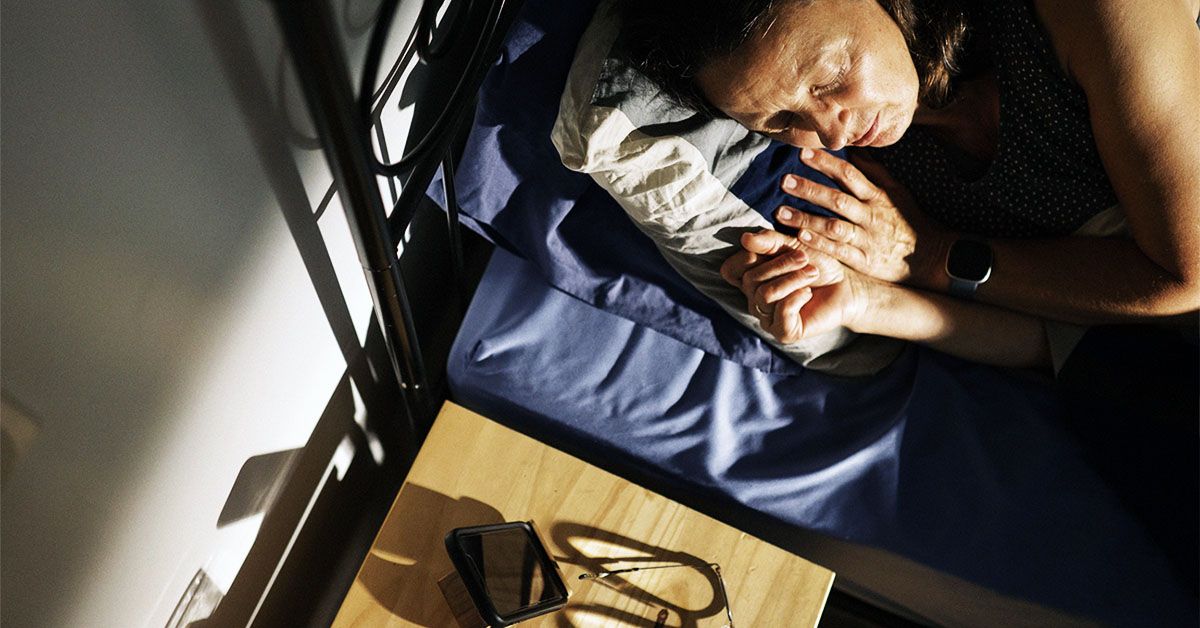
The link between sleep and the risk of developing obesity or type 2 diabetes is expected to be bidirectional. Research has shown that sleeping different amounts each night could be linked to diabetes risk. A new analysis of UK Biobank data reveals that increased variance in sleep duration is associated with an increased risk of diabetes, especially for those who slept longer and those with a lower genetic risk score for diabetes. Irregular sleep has been linked to type 2 diabetes risk, although this effect was reduced when data was adjusted for obesity, comorbidities, and lifestyle factors. Individuals with the most variability in how much they slept each night were found to be 59% more likely to develop diabetes over a 7.5-year follow-up period compared to those with a consistent sleep pattern.

To explore the link between irregular sleep and diabetes risk, researchers used UK Biobank data of 84,421 participants. Participants were invited to wear an accelerometer for seven days between 2013–2015 to capture activity levels and sleep data. The mean age of the participants was 62, and genetic data was used to calculate polygenic risk scores for diabetes. The study found that participants with a sleep duration deviation of between 31 and 45 minutes from their average had a 15% increased risk of diabetes, while those with a deviation of 91 minutes or more had a 59% increased risk after adjusting for age, sex, and race. The researchers also looked at differences in sleep duration of over and under 60 minutes and found a 34% increased risk for those with a difference of over 60 minutes, which decreased to 11% after adjusting for various lifestyle factors.

Sudha Tallavajhula, a neurologist, and sleep medicine physician at UTHealth Houston, who was not involved in the research, highlighted the hormonal pathways affected by sleep disorders. Poor sleep can contribute to impaired glucose and fat utilization, impacting metabolic health. There is a bidirectional relationship between sleep disorders, diabetes, and obesity. Sleep disorders can increase the risk of diabetes and obesity, while these conditions can also contribute to sleep disorders. Previous research has linked sleep disturbances to diabetes risk, and there is growing evidence supporting the impact of sleep variation on metabolic health. Disrupted circadian rhythms due to irregular sleep patterns could interfere with glucose metabolism and reduce insulin sensitivity, potentially leading to an increased risk of diabetes.

In a separate study, researchers looked at the role of circadian rhythm on type 2 diabetes risk by analyzing data from the Nurses’ Health Study II. They found that ‘night owls’ were more likely to develop type 2 diabetes than ‘early birds’. Chronotype, which describes an individual’s body clock, is linked to circadian rhythm and affected by light levels. ‘Night owls’ were also more likely to report unhealthy lifestyle behaviors, but the effect of chronotype on diabetes risk persisted even after adjusting for these factors. Healthy routines, including consistent sleep, regular physical activity, and balanced meals, are crucial for overall health and may help prevent type 2 diabetes. Becca Anne Krukowski, a professor of public health sciences at the University of Virginia School of Medicine, emphasized the importance of maintaining healthy routines to promote overall health and prevent chronic diseases like type 2 diabetes.


Sign Up For Daily Newsletter

Be keep up! Get the latest breaking news delivered straight to your inbox.
I have read and agree to the terms & conditions
By signing up, you agree to our Terms of Use and acknowledge the data practices in our Privacy Policy. You may unsubscribe at any time.
Share this Article
Facebook Twitter Copy Link Print
Previous Article Gadget Review: Marshall Minor IV stands out as a top contender in the earbud market – News
Next Article 18 individuals detained in Oman for breaching labour laws
Leave a comment Leave a comment

Leave a Reply Cancel reply

Your email address will not be published. Required fields are marked *

Stay Connected

235.3k Followers Like
69.1k Followers Follow
56.4k Followers Follow
136k Subscribers Subscribe
- Advertisement -
Ad imageAd image

Latest News

Two Emergency Spinal Surgeries Succeed at Rustaq Hospital
Oman June 2, 2026
Electricity Services Committee Approves Energy Storage Sites in Al-Mutlaa and Jabir Al-Ahmad
Kuwait June 2, 2026
Foreign Minister Strengthens Friendship and Cooperation Ties with the Philippines
Bahrain June 2, 2026
Post-Eid Return Shock: 8 Health Issues Dragging Employee Productivity
UAE June 2, 2026

You Might also Like

Oman

Two Emergency Spinal Surgeries Succeed at Rustaq Hospital

June 2, 2026
Kuwait

Electricity Services Committee Approves Energy Storage Sites in Al-Mutlaa and Jabir Al-Ahmad

June 2, 2026
Bahrain

Foreign Minister Strengthens Friendship and Cooperation Ties with the Philippines

June 2, 2026
UAE

Post-Eid Return Shock: 8 Health Issues Dragging Employee Productivity

June 2, 2026
Saudi Arabia

Hajj Message: From Administration to Coexistence and Religious Moderation

June 2, 2026
UAE

Health Ministry Reveals 6 Ebola Symptoms Like Flu and 4 Travel Precautions

June 2, 2026
Saudi Arabia

Harvard Graduation Sees 70 Saudi Graduates From Elite Institutions

June 2, 2026
Qatar

US-Iran Brinkmanship: Escalation and De-escalation Scenarios

June 2, 2026
//

GulfPress is a modern Gulf media platform delivering trusted news, business insights, technology updates, real estate trends, travel stories, explainers, and rankings from across the GCC and the Middle East.

Quick Link

  • About Us
  • Editorial Policy
  • Corrections Policy
  • Advertise with us
  • Contact Us
  • Privacy Policy
  • Terms of use

How Topics

  • Gulf News
  • Business
  • Lifestyle

Sign Up for Our Newsletter

Subscribe to our newsletter to get our latest news instantly!

I have read and agree to the terms & conditions
Gulf PressGulf Press
Follow US

© 2023 Gulf Press. All Rights Reserved.

Join Us!

Subscribe to our newsletter and never miss our latest news, podcasts etc..

I have read and agree to the terms & conditions
Zero spam, Unsubscribe at any time.

Removed from reading list

Undo
Welcome Back!

Sign in to your account

Lost your password?