







Strait of Hormuz negotiations stall as Doha meeting remains uncertain
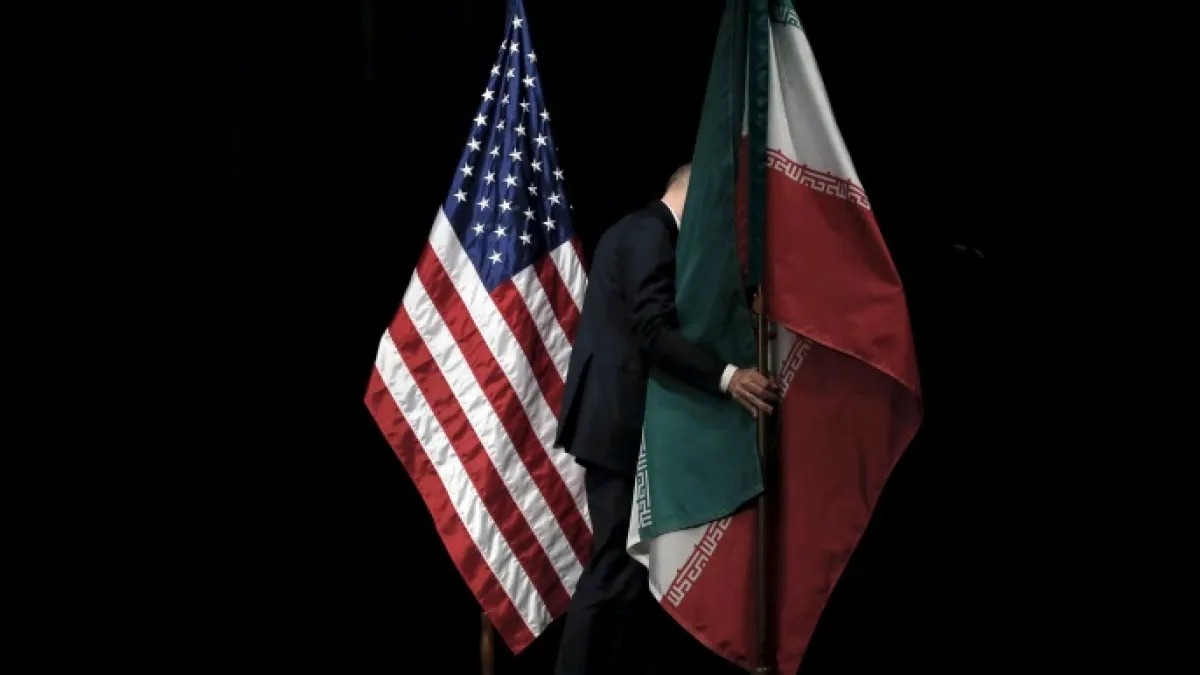
U.S. and Iranian officials signaled competing versions of a planned Doha meeting on June 30, 2026, raising doubts about whether the Strait of Hormuz negotiations will proceed as described by Washington. The dispute centers on whether delegations met or will meet in Qatar, and on the agenda items alleged to include temporary oil sanctions relief and access to frozen Iranian assets.
Who, what, where and when
Washington said an American delegation was traveling or had traveled to Doha at Tehran’s request, while Iran’s foreign ministry denied any scheduled talks and said it learned of a U.S. presence in Qatar from media reports. Officials and analysts placed the possible contact on June 30, with Qatari mediation cited as the likely venue for technical discussions.
Meanwhile, a Foreign Ministry spokesman in Tehran, Esmail Baqaee, acknowledged that a team of experts would visit Qatar to consult with Qatari officials on two technical items: the temporary lifting of some oil and petrochemical sanctions and the release of some frozen Iranian assets, according to official statements.
Why the Strait of Hormuz negotiations matter
The Strait of Hormuz negotiations are crucial because the narrow waterway accounts for a large share of global seaborne oil shipments and has become a focal point of U.S.-Iran tension. Recently exchanged strikes and reported attacks in and around the Strait have elevated maritime security into a potential deal-breaker separate from nuclear issues, analysts said.
Additionally, Tehran appears to have shifted strategy by treating control over the Strait as a deterrent tool to be used against perceived security threats, rather than relying solely on nuclear deterrence, experts note. Therefore, any agreement that fails to address transit security and clearance of mines and hazards could unravel broader diplomatic progress.
Doha meeting: competing narratives and technical aims
U.S. officials described the visit as part of ongoing diplomacy to salvage a wider understanding between Tehran and Washington, while Iranian officials emphasized that formal talks require clear mediation arrangements, agreed agendas and confirmation of participating delegations. Doha has played a mediator role in previous rounds of indirect contacts and is again positioned to facilitate narrow technical work.
According to analysts, the Qatari-mediated discussions are likely to be focused and technical rather than a full political negotiation. The agenda reportedly centers on temporary sanctions relief for specific oil shipments and procedures for transferring portions of frozen Iranian assets, which would require banking and legal arrangements to be spelled out in detail.
How the maritime issue eclipsed the nuclear file
Observers say the maritime incidents have complicated what had been a nuclear-centric dispute. Professor Mohammed Al-Sharqawi, an expert in conflict resolution, said recent tit-for-tat strikes have shifted attention from nuclear verification to immediate maritime security concerns, making any comprehensive settlement harder to achieve.
Former U.S. Fifth Fleet commander John Miller told reporters that ensuring safe passage through the Strait is a top U.S. priority and that Tehran’s manipulation of maritime access could collapse any interim understanding. Miller added that unlocking frozen assets would likely require Iran to demonstrate concrete steps to clear the Strait of mines and other threats, according to public commentary.
Responses from analysts and Iranian sources
Iranian analysts and researchers offered varied timelines for any Iranian participation in Doha. Hossein Riyoran, identified as a regional researcher, said Tehran’s delegation might arrive later in the week, not on June 30 as some U.S. statements suggested. He described Washington’s announcement as an attempt to pressure Tehran into talks.
Other analysts note a pattern in which Tehran publicly denies meetings until logistics are finalized, then engages quietly once arrangements are confirmed. This discrepancy between rhetoric and action, experts say, complicates mediators’ work and feeds mistrust between the sides.
Implications for frozen Iranian assets and sanctions relief
Any technical agreement on the Strait will likely be linked to a partial unfreezing of Iranian funds held abroad. Officials caution that releasing assets would require safeguards, transparency measures and legal mechanisms to ensure funds are used for agreed humanitarian or economic purposes and not diverted to destabilizing activities.
Financial and diplomatic sources say banks and third-party states will seek clear guarantees before processing transfers. Therefore, the Doha meeting, if it proceeds, may focus extensively on operational details such as escrow arrangements, inspection protocols and timelines for phased sanctions relief.
Implications for global trade and regional security
Traders and shipping insurers are watching closely because renewed disruptions in the Strait could raise freight rates and trigger higher premiums for tankers and cargo vessels. A negotiated mechanism to guarantee safe navigation would lower regional risk and help stabilize global energy markets, industry analysts said.
Regionally, failure to reach a stable understanding could prompt more robust naval deployments and heightened military alert levels, increasing the chance of miscalculation. Conversely, a narrowly tailored technical deal that addresses mine clearance, vessel escorts and incident response could reduce immediate tensions even if broader political issues remain unresolved.
What to watch next and timeline
Observers say the next 72 hours will be telling: watch for confirmations from Qatari hosts, travel notices from either side, and any joint statements that specify agenda items. If a Doha meeting occurs, expect it to be described as technical and limited in scope rather than a revival of comprehensive talks.
In the coming week, stakeholders will also monitor whether any interim steps on frozen assets or temporary sanctions relief are accompanied by verifiable actions on maritime safety. These moves will indicate whether negotiators can decouple immediate security concerns from longer-term disputes over nuclear activity and regional policies.
Conclusion: narrow technical steps versus comprehensive settlement
For now, the Strait of Hormuz negotiations reflect a high-stakes tug-of-war over process and content, with shape of talks as contested as the substance. If mediators can secure agreement on clear technical measures and phased financial arrangements, further diplomatic engagement may resume; otherwise, the maritime dispute could continue to overshadow broader US-Iran talks.
Readers should watch for confirmed Qatari statements, any joint communiqués, and practical measures such as mine-clearance plans or escrow agreements on frozen assets as indicators of progress in the days ahead.