







Qatar real estate trading posts QAR 377.22 million in first week of August
Qatar real estate trading totaled QAR 377.22 million (about $103.35 million) during the week of August 2–6, according to the Real Estate Registration Department at the Ministry of Justice. The weekly bulletin, as reported by the Qatar News Agency, shows registered sale contracts of QAR 353,406,706 (roughly $96.82 million) with residential unit sales accounting for QAR 23,813,514 (about $6.52 million).
Weekly figures and transaction mix
The official summary indicates that the transactions recorded during the period included vacant land, detached houses, apartment buildings, individual residential units and one commercial building. The Real Estate Registration Department provided the breakdown in its regular weekly report, which tracks property transactions and real estate registrations across municipalities.
According to the ministry’s data, the volume of sale contracts was slightly lower than the previous week, when registered sale agreements exceeded QAR 400 million (approximately $109.6 million) for the period of July 26–30. Therefore, the recent week represents a modest pullback while activity remains distributed across several asset classes.
Main locations driving Qatar real estate trading
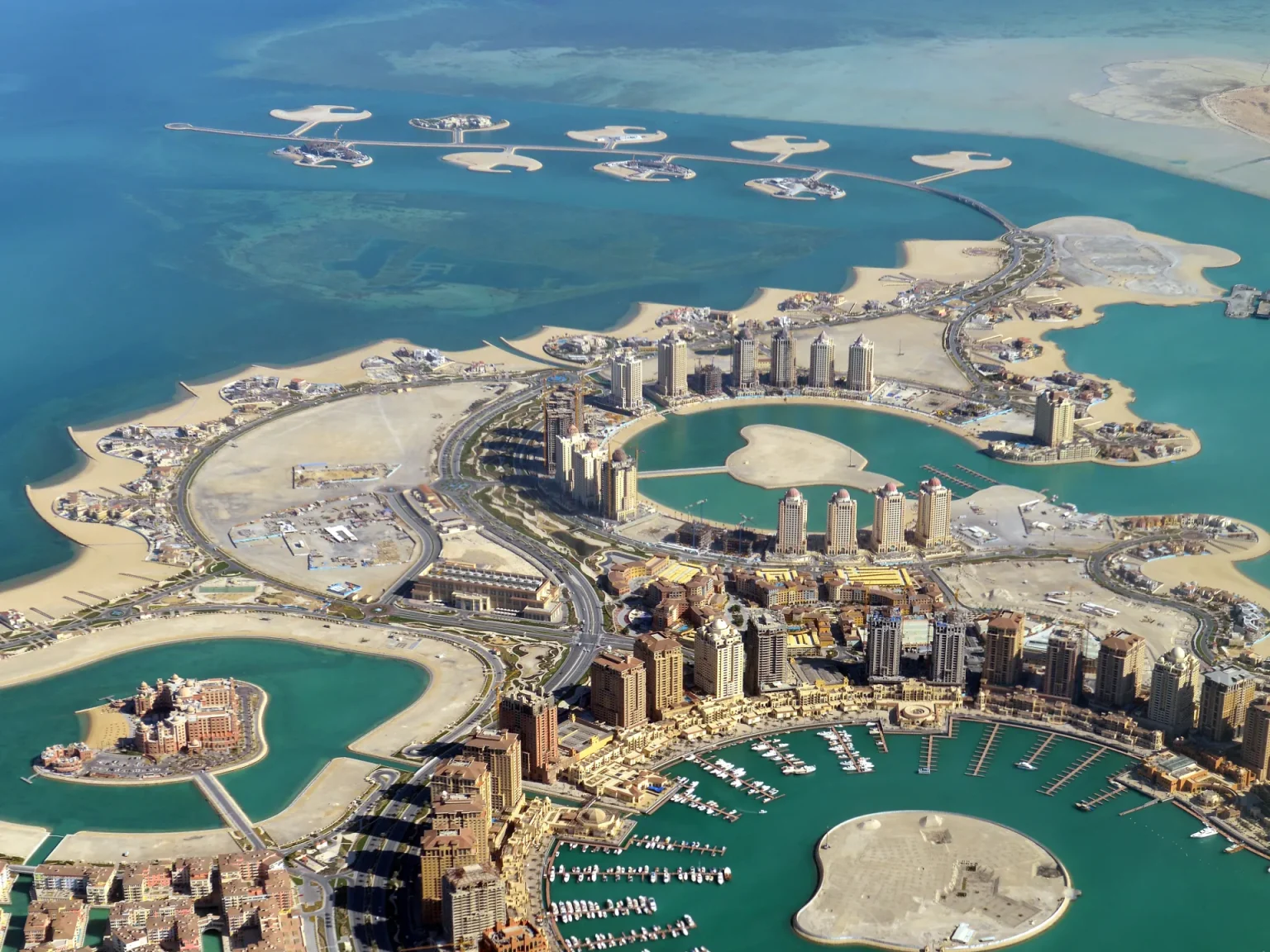
Activity was concentrated in several municipalities, including Doha, Al Wakrah and Al Rayyan, with additional deals recorded in Umm Salal, Al Thakhira and Al Khor. Transactions were also reported in Al Shamal (the North), Lusail sector 69, The Pearl-Qatar, Al Khorayej and Al Qatifiya. These areas continue to represent the core of market liquidity, officials said.
Furthermore, both primary urban centers and peripheral development zones contributed to the weekly volume. In contrast, some high-end and speculative segments showed less frequency of large-ticket deals, which partly accounts for the lower total compared with the prior week.
Analysis: what the numbers suggest
Qatar real estate trading in early August points to steady—but not accelerating—market activity. Property transactions are being recorded across a mix of land and built assets, indicating ongoing demand from end-users and investors focused on rental and development opportunities. Additionally, the spread of deals between central Doha and emerging precincts such as Lusail and The Pearl suggests a balanced geographic footprint.
Real estate registrations during the week included multiple small-to-medium sized residential contracts alongside several larger land and building transactions. Therefore, the market appears to be absorbing both transactional volumes from homeowners and portfolio moves by developers or institutional buyers, according to the weekly release.
Price and volume dynamics
While the bulletin does not publish price indices, the mix of transaction types allows inference about market momentum. Vacant land and multi-unit buildings typically account for a disproportionate share of value when they transact. Meanwhile, higher frequency of residential unit sales tends to reflect steady household demand and rental market dynamics.
Implications for buyers, sellers and investors
For buyers and sellers, the recent data signals a market that remains active but not overheated. Therefore, negotiators may find room for price discovery, particularly in peripheral zones where new supply and development continue. Investors monitoring yield and capital appreciation should watch the balance between land transactions and completed residential sales, as land deals often presage new supply that can affect rental fundamentals.
Real estate registrations serve as a leading indicator for near-term construction and development flows. As sale contracts are recorded, casing and permitting activities typically follow, which means that weekly trade volumes can foreshadow the pipeline of projects in the coming quarters.
Context and official sources
The figures are drawn from the Real Estate Registration Department of the Ministry of Justice and were summarized by the Qatar News Agency. Officials publish these weekly bulletins to provide transparency on transaction volumes and distribution across municipalities. The report indicates continuing market activity despite short-term fluctuations in weekly aggregates.
Market watchers should note that weekly totals can be volatile due to the timing of large transactions; a single sizable land sale or commercial building transfer can materially alter the headline number. Therefore, analysts typically smooth outlooks by examining monthly and quarterly aggregates alongside weekly bulletins.
Outlook: what to watch next
Looking ahead, participants should monitor the Ministry of Justice weekly releases for signs of trend reversal or sustained growth. Key indicators to watch include the value of sale contracts, share of residential unit transactions, and activity in development-focused areas such as Lusail and The Pearl-Qatar. Additionally, macroeconomic factors and policy decisions affecting construction and foreign investment will influence market direction.
Next expected updates will appear in subsequent weekly bulletins; observers should compare sequential weeks to assess whether the recent dip below QAR 400 million is a temporary fluctuation or the start of a broader adjustment. For now, the report suggests a market maintaining steady liquidity across both central and developing districts, with implications for buyers, sellers and developers planning their next steps.