





Israeli violations in Gaza draw joint condemnation
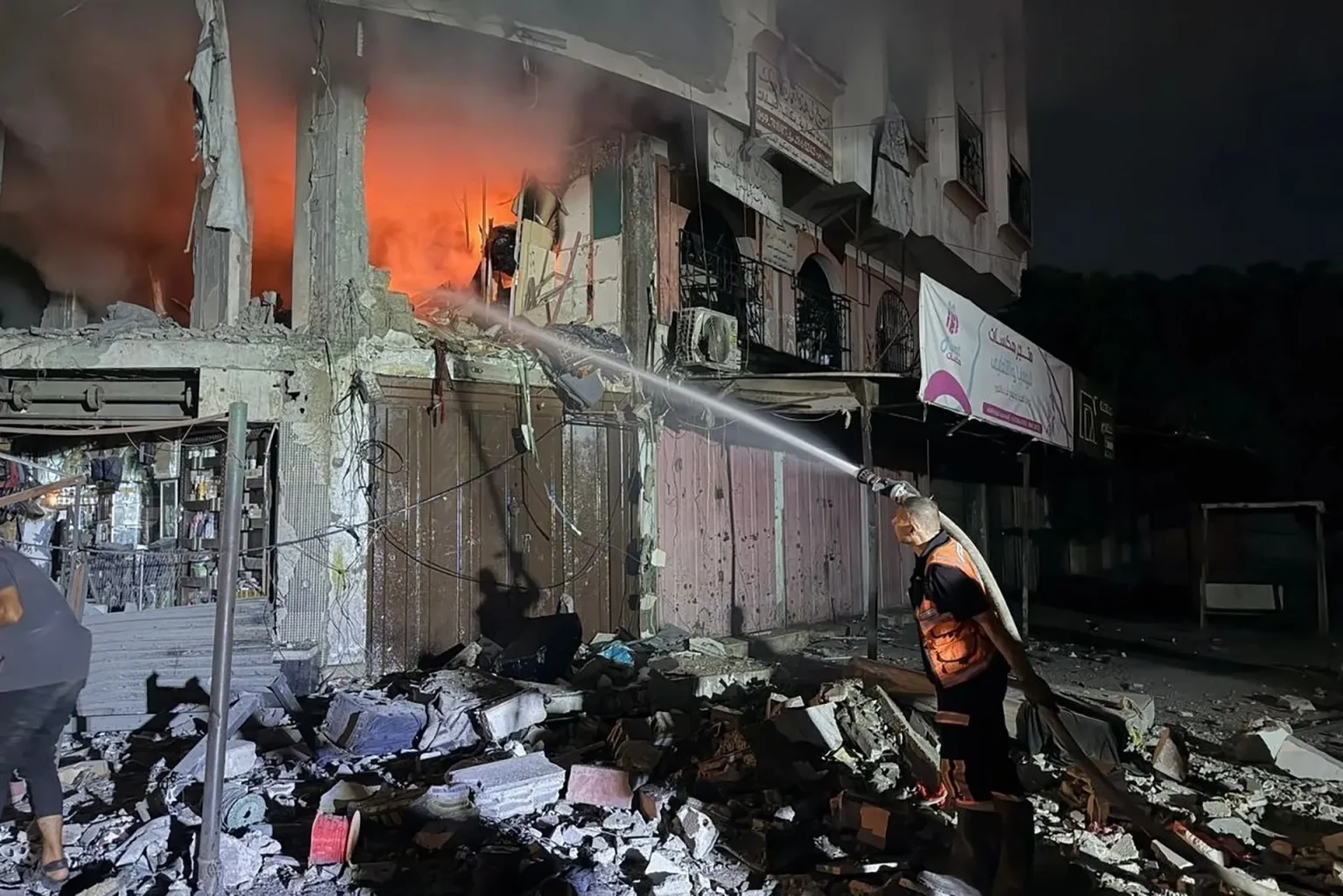
Eight Arab and Muslim countries issued a joint condemnation this week of Israeli violations in Gaza, according to a statement by their foreign ministers. The ministers from Qatar, Jordan, the United Arab Emirates, Indonesia, Pakistan, Turkey, Saudi Arabia and Egypt said the continued strikes on civilian infrastructure and medical facilities amount to a serious breach of international law.
The ministers warned that the reported attacks, which they linked to recent military operations in Gaza and settler violence in the occupied West Bank, threaten to unravel efforts to implement a comprehensive plan for ending the conflict. They said the violations undermine international attempts to move to a negotiated phase two and worsen the humanitarian crisis for civilians, including women and children.
Humanitarian toll: attacks on health facilities and civilians
According to the ministers’ statement, the pattern of strikes on hospitals, clinics and ambulances has reduced local health system capacity and increased civilian casualties. Health facilities, humanitarian workers and medical supplies must be protected under international humanitarian law, they said, and access for relief agencies must be immediate, safe and unconditional.
Furthermore, the ministers emphasized that attacks on health facilities impede lifesaving care and violate established norms embodied in the Geneva Conventions. Humanitarian access and medical neutrality were cited as urgent priorities by the group, which urged donor states and agencies to scale up assistance while ensuring the security of aid convoys.
Legal and diplomatic implications of the violations
The ministers framed the incidents as not only operational errors but part of a broader pattern that includes settler attacks in the West Bank, illegal settlement expansion and unilateral measures affecting Jerusalem. They described these combined actions as a systematic policy that risks imposing facts on the ground and eroding the basis for a two-state solution.
They called on the international community, particularly the United Nations Security Council, to fulfil its legal and moral responsibilities. The statement referenced Security Council Resolution 2803 as part of the framework that obliges parties to respect international humanitarian law and to hold accountable those responsible for grave violations.
Accountability and international mechanisms
Ministers urged active measures to ensure accountability, including investigations and credible reporting that can support prosecutions or sanctions where warranted. International mechanisms, they argued, should be used to protect civilians and preserve prospects for a political track that can deliver a sustainable cease-fire and eventual two-state settlement.
Political context and concerns about the peace process
The joint communiqué noted that the violations occurred after public remarks by U.S. President Donald Trump about Palestinian acceptance of a roadmap, including measures on arms restrictions. The ministers said that continued military operations and settlement activity risk derailing the political process and provoking renewed rounds of escalation.
In addition, the ministers stated their unequivocal rejection of any attempt to annex occupied Palestinian territory or impose sovereign authority by force. They warned that forced displacement or unilateral moves to alter the status of Jerusalem would constitute further violations of international law and undermine prospects for a negotiated peace.
Regional coordination and calls for immediate action
The eight countries stressed coordinated diplomatic pressure to secure an immediate and lasting cease-fire, protect civilians, and enable full humanitarian access. They urged the Security Council and regional organizations to take practical steps to compel compliance with international law and to facilitate the unhindered delivery of aid across Gaza.
Meanwhile, they asked for strengthened monitoring and reporting mechanisms that can document attacks on civilians and infrastructure, and recommended targeted steps to prevent further erosion of the political settlement framework. The ministers also appealed to states with influence to press parties toward an accountable implementation of agreements and commitments.
Path to a political solution and protection of Palestinian rights
Reaffirming their support for a two-state solution, the ministers insisted that a credible political track must lead to a sovereign Palestinian state on the 1967 lines with East Jerusalem as its capital. They argued that respect for international law, the protection of civilians, and cessation of settlement expansion are prerequisites for restoring trust and advancing negotiations.
They emphasized that the rights of the Palestinian people should remain central to any diplomatic effort and that coercive measures or demographic engineering would close off viable options for peace. Therefore, insistence on legal obligations and humanitarian protections was presented as essential to preserve the conditions for a negotiated settlement.
What to watch next
Observers should watch for concrete steps from the United Nations and the Security Council in response to the ministers’ appeal, as well as any coordinated action by regional blocs. Meanwhile, developments on the ground—shifts in military activity, access corridors for aid, and changes in settlement policy—will indicate whether diplomatic pressure is translating into protection for civilians.
Finally, stakeholders will be monitoring whether the parties agree to mechanisms for accountability and whether international actors can secure compliance with humanitarian norms. The coming days and weeks are likely to determine whether the situation moves toward de-escalation and a renewed political process or toward further deterioration.