






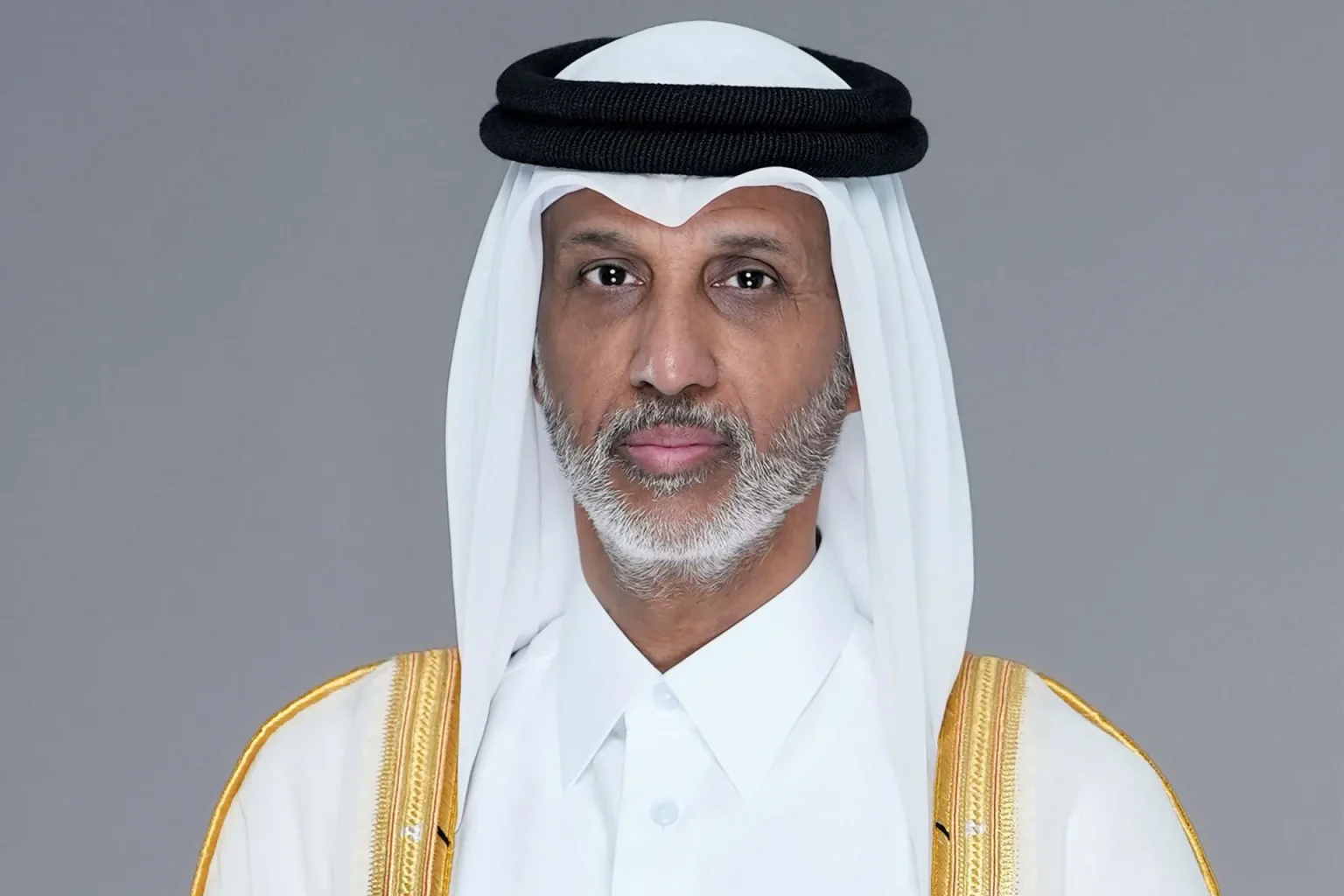

Qatar Football Association leadership change
The Qatar Football Association appointed Sheikh Hamad bin Khalifa bin Ahmed Al Thani as president and Sheikh Tamim bin Mohammed Al Thani as vice-president on July 29, 2026, the federation announced after an executive office meeting. The decision, intended to complete the current board’s term through 2027, will be submitted to the general assembly for ratification at its scheduled September meeting.
The appointments follow the resignations of former president Jassim bin Rashid Al Buainain and vice-president Mohammed bin Khalifa Al Suwaidi, creating vacancies the executive office moved to fill while also addressing preparations for the coming domestic season.
Details of the appointments and governance context
Sheikh Hamad, who currently serves as Qatar’s Minister of Youth and Sport, returns to lead the Qatar Football Association after previously chairing the body from 2005 to 2023. Officials noted his prior tenure and government role provide institutional knowledge as the federation completes the current administrative cycle.
Sheikh Tamim, appointed vice-president, will serve alongside Sheikh Hamad until the end of the board’s term in 2027, subject to approval by the association’s membership. The executive office said the interim appointments aim to ensure stability and continuity while the general assembly evaluates the changes in September.
Decisions on competitions: new third division league and youth participation
At the same meeting, executives approved a structural change to domestic competitions by establishing a third division league to sit below the existing first division (bank-sponsored league) and the second division. The new third division league is intended to broaden the competitive pyramid and increase playing opportunities across the country.
Additionally, the executive office cleared Al-Riffa Club to enter age-group tournaments starting this season, part of a wider package of rules and registration changes for the upcoming calendar. Officials said these moves are aimed at strengthening the talent pipeline and expanding the base of competitive clubs and youth teams.
Assessment of the Qatar national team and World Cup 2026 review
The executive meeting also reviewed a report on the Qatar national team’s involvement in the 2026 FIFA World Cup, according to federation materials. The agenda item was described as an evaluative exercise to identify lessons from the tournament and to shape coaching, scouting and development strategies moving forward.
Participants discussed technical and logistical outcomes of the World Cup campaign and how those findings should feed into domestic competition structures, academy support and national-team preparations. The report indicates priority areas for improvement, and the federation will likely formalize follow-up plans in the weeks leading up to the general assembly.
International links and implications for governance
Sheikh Hamad’s international roles were noted during the session; he is listed as a member of FIFA’s member associations committee and of the FIFA executive body, roles that the executive office said could help liaise with global partners. Observers said his connections may assist in coordinating development programs and in securing technical assistance for domestic initiatives.
Meanwhile, the appointments raise questions about the balance between government officeholding and federation leadership. Officials emphasized that the interim changes are procedural, subject to membership approval, and intended to prioritize operational continuity ahead of the new season rather than to alter long-term governance arrangements.
What the changes mean for clubs and players
For clubs and players, the immediate implications are practical: a clearer competition calendar, new opportunities at a third-division level, and expanded youth tournament access for select clubs like Al-Riffa. League administrators said they will publish registration deadlines and competition formats ahead of the season start to give clubs time to prepare.
The federation’s focus on expanding competition levels is expected to broaden scouting networks and provide more competitive minutes for emerging players, which officials link directly to improving the national team talent pool over time.
Next steps and what to watch
The federation will present the executive office’s appointments and competition reforms to the general assembly at its September meeting, where members will vote on ratification. Observers and stakeholders will be watching for the assembly’s endorsement, the detailed calendar for the new third division league, and the formal release of the World Cup evaluation’s implementation plan.
Short-term priorities through the end of 2026 include finalizing competition regulations, confirming club enrollments for the expanded pyramid, and translating the World Cup review into concrete coaching and development actions. Longer term, the federation said it intends to monitor the impact of these changes on player development and domestic competitiveness.