





Iraq oil exports hit by Strait of Hormuz closure, minister says
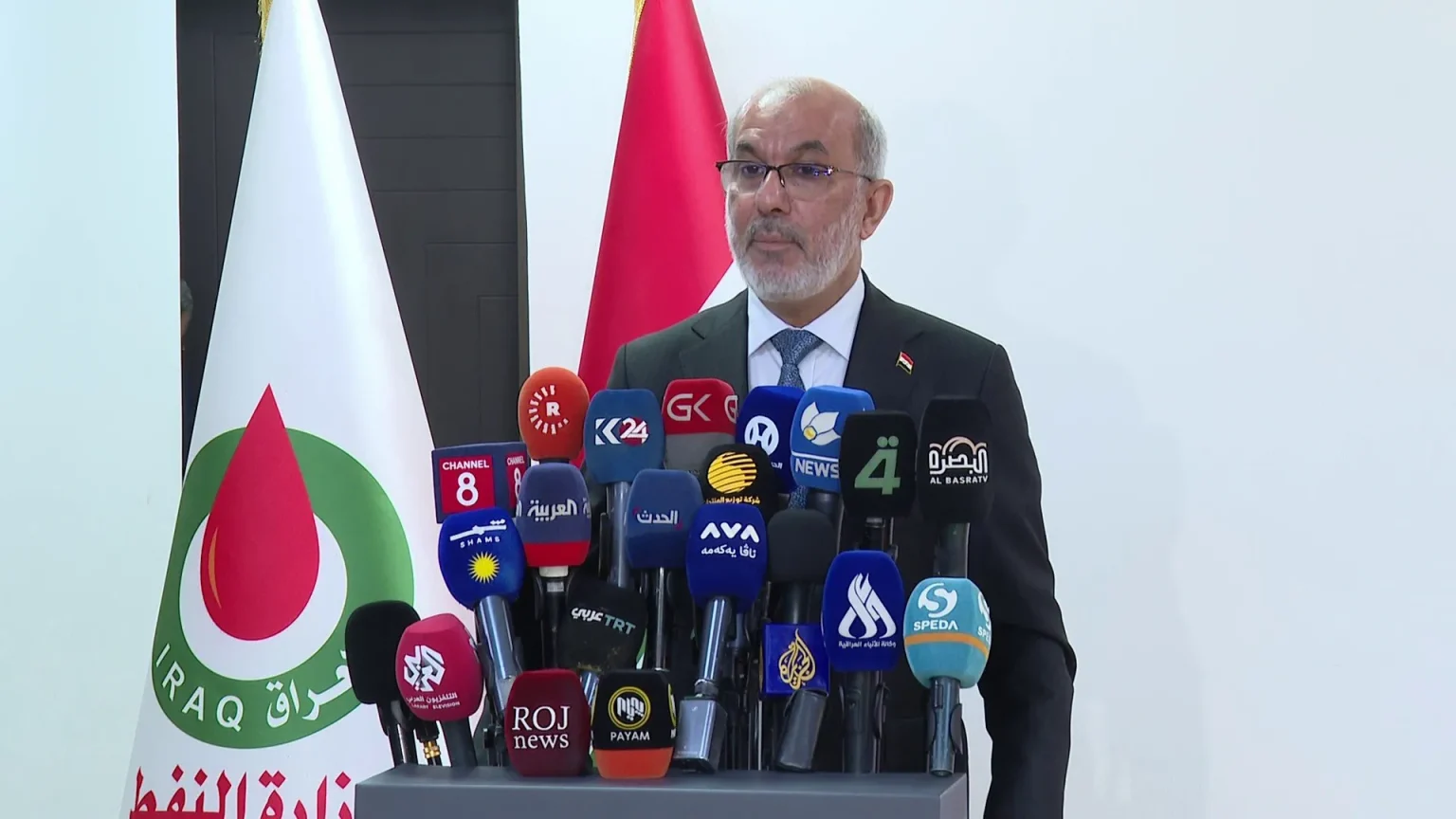
Iraq oil exports have fallen sharply after the closure of the Strait of Hormuz and the escalation of regional hostilities, Oil Minister Bassim Mohammed Khudair said on August 8, 2026. Speaking from the Dora refinery in Baghdad, the minister told reporters that exports are now roughly a quarter of pre-crisis levels and that the drop has had immediate effects on state finances and cash flow.
Iraq oil exports: scale of the decline and immediate consequences
According to the minister and Al Jazeera reporting from the Dora refinery, Iraq’s shipments have declined by about 75% compared with levels before the crisis that began on February 28. Production before the crisis was reported at approximately 3.5 million barrels per day, while current export volumes are estimated at around 25% of usual flows.
Therefore, the sudden loss of export capacity has reduced foreign exchange inflows and squeezed government liquidity. Additionally, officials said the country has been forced to sell some crude at prices below the level assumed in the 2026 budget, compounding fiscal pressure.
Cash crisis and delayed public salaries
The drop in oil receipts has translated quickly into a liquidity crunch for Iraq’s public finances. Government sources and the ministry indicated that delays in salary payments for some public employees have already occurred as cash balances tightened.
Furthermore, with wage bills and operational spending substantial, prolonged export disruption could force cuts to public investment and services. Ministry statements stressed that restoring export volumes or identifying alternative financing will be essential to avoid broader fiscal deterioration.
Alternatives for exports and longer-term investment plans
To reduce dependence on Gulf routes, Baghdad is pursuing alternative export corridors and pipeline links to Mediterranean and Red Sea ports. Plans referenced by officials include lines toward Ceyhan in Turkey and Baniyas in Syria, with a potential future route to Aqaba in Jordan. These options are intended to bypass the Gulf and the Strait of Hormuz.
Officials also said Iraq aims to attract up to $200 billion in investments for energy and infrastructure projects over coming years to support export diversification and capacity upgrades. However, analysts and officials caution that such figures represent long-term investment aims rather than immediately available funding.
Operational and political hurdles to alternative routes
Alternative export routes face practical, financial and security obstacles. Pipeline construction and port upgrades require large upfront capital, multi-party operating agreements and time to build. Moreover, regional security and insurance costs for tankers would need to be addressed to restore buyer confidence.
Meanwhile, Baghdad said it has held talks with Tehran to seek permission for routing exports through Iranian infrastructure, but those discussions have not yet yielded operational arrangements. Therefore, near-term relief is limited and hinges on either a reopening of Gulf navigation or rapid progress on alternative projects.
Legal and compensation stance toward oil companies
The government said it will not tolerate attacks on foreign and domestic oil service companies operating in Iraq and has agreed to compensate firms for damage that results from attacks originating inside Iraq. However, the ministry clarified that the state does not consider itself liable for losses caused by foreign military actions or broader regional warfare that are beyond Iraq’s control.
This distinction aims to balance protecting investment and limiting fiscal exposure amid widespread security risks, but it may leave some firms seeking commercial insurance or reassessing risk premia for operations in the near term.
Financial implications and external financing options
With oil revenue the backbone of the budget, the scale and duration of the export shortfall will determine fiscal stress. If the Strait closure endures, pressure on foreign reserves and the budget could trigger wider economic measures, including delayed payments, subsidy adjustments or requests for external assistance.
Potential external responses include multilateral financing, short-term export-related credit facilities, or bridge loans from international partners. So far, officials have not confirmed any specific external financing agreements, and analysts say such measures take time to negotiate and disburse.
What to watch next
Key indicators to watch are the duration of restricted navigation through the Strait of Hormuz, progress in talks with Iran over export arrangements, and concrete milestones on pipeline or port projects toward Turkey, Syria and Jordan. Market responses—including buyer commitments, tanker insurance rates and crude spreads—will also signal whether alternative routes can regain lost volumes or if fiscal strain will deepen.
Furthermore, monitoring official budget revisions, any emergency economic measures, and announcements of external financing or investor commitments will provide insight into how quickly Baghdad can stabilize liquidity and public payments.
Outlook
In the near term, Iraq oil exports are unlikely to return to pre-crisis levels until maritime routes reopen or alternative corridors become operational. Therefore, the government faces a period of constrained cash flow and elevated fiscal risk. Observers should watch diplomatic progress, project financing deals, and shipment and insurance data over the coming weeks to assess whether recovery is possible within months or will require a longer adjustment period.