



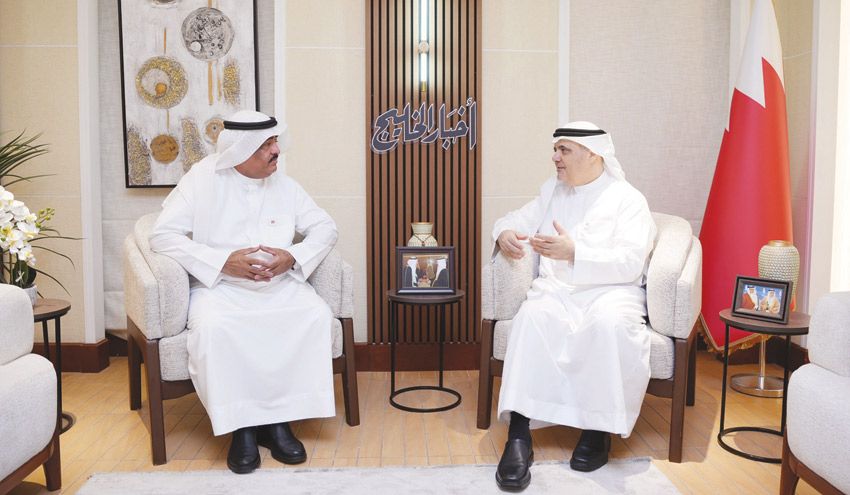

Royal Humanitarian Foundation: Acting Secretary-General’s Perspective
The acting secretary-general of the Royal Humanitarian Foundation, in a recent interview with the Bahraini daily Akhbar Al Khaleej, said the royal vision has established an integrated national model for caring for people and preserving their dignity. The interview, published this week, outlined current priorities and reaffirmed the foundation’s role in coordinating humanitarian services across government and civil society.
According to the acting secretary-general, the foundation’s work spans emergency relief, long-term social support, and initiatives aimed at vulnerable groups across Bahrain. Officials noted ongoing collaboration with ministries, health providers, and non-profit partners to align programs with the broader national strategy.
Interview Highlights and Immediate Priorities
The interview presented practical examples of how the Royal Humanitarian Foundation translates policy into action, with an emphasis on client-centered services and measurable outcomes. Furthermore, the acting secretary-general emphasized responsiveness during crises and continuity in social programs, saying the foundation seeks to reduce duplication and improve access.
Officials described efforts to strengthen referral mechanisms and data-sharing among agencies to ensure that humanitarian services reach those most in need. Meanwhile, the foundation pointed to a focus on disability support, elderly care, and reintegration services as areas receiving particular attention.
How the Royal Vision Shapes a National Model
The acting secretary-general attributed the integrated approach to a sustained royal vision that prioritizes dignity and inclusion. Therefore, the foundation’s strategy emphasizes both immediate assistance and structural measures that protect rights and promote social stability, according to the interview.
Policy experts interviewed for context noted that embedding humanitarian services within a national model helps create predictable funding, clearer accountability, and stronger public trust. Additionally, the approach aims to institutionalize standards that ensure services are delivered with respect and cultural sensitivity.
Operational Challenges and Strategic Responses
While praising progress, the acting secretary-general acknowledged operational challenges, including coordination across a growing number of partners and evolving needs among beneficiaries. The foundation said it is addressing these challenges by refining governance mechanisms and adopting data-driven planning.
Furthermore, the foundation highlighted capacity-building programs for local partners and staff training intended to improve case management and beneficiary follow-up. Officials indicated that investments in monitoring and evaluation are being scaled up to better measure impact and inform policy adjustments.
Technology and Data Use
According to the foundation, technology plays a growing role in streamlining referrals and tracking service delivery. However, the acting secretary-general emphasized the need to balance digital tools with human-centered outreach to preserve trust and dignity in service delivery.
Implications for Social Policy and Community Welfare
The interview suggests the Royal Humanitarian Foundation is positioning itself as a central coordinating body for social welfare initiatives, which could influence broader policy development. Therefore, ministries and NGOs may look to the foundation’s model when designing complementary programs.
Analysts said a coherent national model can reduce service fragmentation and improve outcomes for vulnerable populations. In contrast, fragmented systems often leave gaps that undermine social cohesion and long-term recovery, they noted.
Regional Cooperation and International Engagement
The acting secretary-general also addressed the foundation’s role in regional and international humanitarian work, indicating a willingness to share lessons and partner on cross-border initiatives. Officials suggested these engagements help strengthen local capacities and align domestic practices with international standards.
Furthermore, participation in regional forums and collaboration with international organizations may open channels for technical assistance and joint programming. Such cooperation can reinforce the foundation’s efforts to elevate standards of care and protection.
Accountability, Transparency, and Public Communication
Transparency emerged as a recurring theme in the interview, with the acting secretary-general underscoring the importance of clear reporting and public communication. The foundation said it is enhancing mechanisms to report program results and accept stakeholder feedback.
Therefore, stakeholders and beneficiaries should expect more regular updates on program performance and opportunities for input. Officials indicated that increased transparency supports public confidence and informed decision-making.
Conclusion and What to Watch Next
The acting secretary-general’s interview with Akhbar Al Khaleej reaffirms the Royal Humanitarian Foundation’s commitment to an integrated national model for humanitarian services and human dignity. Looking ahead, observers should watch for formal announcements on strategic plans, new partnerships, and expanded monitoring systems expected in the coming months.
Furthermore, readers should monitor official communications for timelines on specific program rollouts and further details on inter-agency coordination. The foundation’s next steps will likely shape the delivery of humanitarian services and influence related social policy decisions nationwide.