





Qatari mediation under scrutiny as Israeli media campaign intensifies
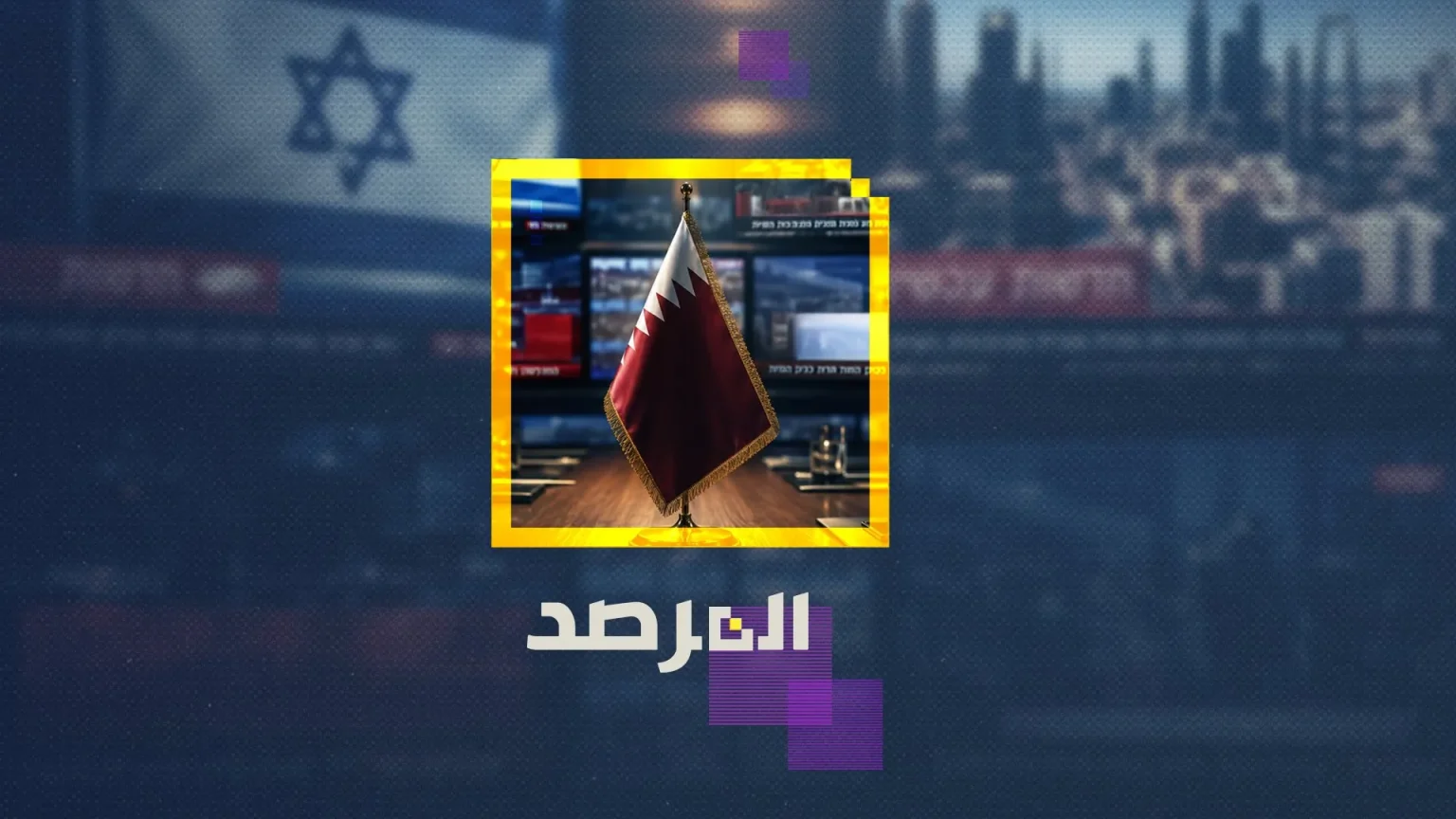
Al Jazeera’s program The Observatory reported on July 27, 2026, that a sustained Israeli media campaign has targeted Qatari mediation efforts between the United States and Iran. The episode highlighted how critics in Israel have portrayed Qatari mediation as biased toward Tehran after a reported U.S.-Iran memorandum and proposals aimed at stabilizing the Strait of Hormuz and a ceasefire framework.
Meanwhile, the program said Qatar has denied involvement in any military operations and warned that such accusations could undermine diplomatic channels. Furthermore, analysts on the show linked the media push to broader regional stakes and to competing narratives over influence and security in the Gulf.
How the Israeli media narrative frames Qatari mediation
According to the program, several Israeli analysts and officials publicly criticized Qatari mediation as favoring Iran, arguing that any de-escalation might reduce perceived Israeli strategic gains. In contrast, Qatar’s foreign office issued formal denials of the most serious allegations and reiterated its long-standing role as a mediator in regional disputes.
Journalists featured on the episode traced the coverage across Israeli outlets, noting a mix of opinion pieces and reporting that framed mediation as a zero-sum exercise. Additionally, the program suggested that discrediting Qatari mediation could be intended to limit third-party channels for negotiation and to preserve pressure-based approaches to Tehran.
Observers interviewed by the show cautioned that targeting mediators may impede prospects for negotiated settlements, including potential arrangements on maritime security and humanitarian pauses. Therefore, the episode argued, the campaign against Qatari mediation merits attention for its potential to reshape diplomatic options in the region.
Pressure on the International Criminal Court
The Observatory also reported growing U.S. and allied pressure on the International Criminal Court after the court issued arrest warrants linked to alleged crimes in Gaza, including warrants affecting high-level Israeli officials. The program reviewed how Washington’s stance has evolved since adoption of the American Service-members’ Protection Act in 2002, which reflected longstanding U.S. skepticism toward ICC jurisdiction.
Further, the episode recounted measures taken in recent years, noting that past U.S. administrations have used sanctions, visa restrictions and diplomatic pressure against court personnel or decisions that Washington views as overreaching. Legal experts on the show warned that such tactics risk weakening international criminal justice by politicizing enforcement mechanisms.
Coverage also touched on the recent departure of the court’s former chief prosecutor, a development that the program said has prompted debate over whether external political pressures influenced staffing and institutional independence. In light of these controversies, the episode emphasized expert concerns about the future effectiveness of international judicial oversight.
Study links free press to economic and security gains
In its third major segment, the program presented findings from a study produced by UNESCO in collaboration with the Deutsche Welle Academy and the International Fund for Public Interest Media. The study indicates that investment in free and independent journalism yields economic and security benefits, arguing that each dollar invested can generate substantial returns through reduced corruption and improved public services.
Researchers cited in the report associate declines in press freedom with slower economic growth and weaker governance outcomes, while independent media were credited with exposing corruption, informing disaster responses, and countering disinformation. Therefore, the program framed journalism not as a cost but as a strategic investment in civic resilience and state capacity.
The episode also addressed the growing threat of deliberate misinformation, noting that robust reporting can limit human-rights violations and reduce incentives for violent escalation. Additionally, contributors emphasized that international support for independent outlets helps sustain investigative capacity and public accountability.
Intersecting dynamics: mediation, justice, and media
The Observatory tied the three topics together by suggesting that disputes over mediation legitimacy, legal accountability and media freedom reflect deeper contests over influence and information. It argued that attacks on mediators, pressures on the International Criminal Court, and efforts to discredit independent journalism all shape the environment for conflict resolution and public trust.
Moreover, the episode warned that delegitimizing essential institutions—whether third-party mediators or international courts—can reduce incentives for negotiated solutions and heighten the risk of unilateral action. In contrast, defenders of mediation and judicial processes urged restraint and further support for neutral mechanisms of conflict management.
What to watch next
Looking ahead, the program recommended monitoring developments at upcoming international diplomatic forums, including the United Nations General Assembly session in September, for any moves that would affect Qatari mediation or the legal posture toward accused officials. Observers should also follow statements from the United States, Israel, and Qatar as well as any follow-up by UNESCO and media-support organizations on funding and protection for independent outlets.
Ultimately, The Observatory concluded that the interplay between Qatari mediation, pressures on the International Criminal Court, and the status of the free press will remain central to regional stability. Readers should watch for announcements from mediators, legal authorities and international donors in the coming weeks as indicators of whether diplomatic and institutional spaces will expand or contract.