






Endoscopic Septal Perforation Repair at Rustaq Hospital
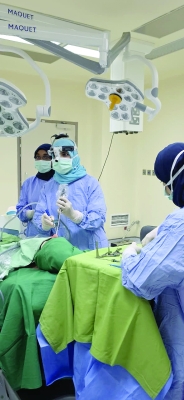
Rustaq Hospital’s Ear, Nose and Throat (ENT) unit recently completed an advanced endoscopic septal perforation repair, marking a new step in the hospital’s development of specialized surgical services. The procedure was performed at the hospital’s surgical suite and, according to the medical team, demonstrates the unit’s growing capability to provide minimally invasive care locally. Endoscopic septal perforation repair was chosen for its precision and reduced recovery time.
Who, What, Where and Why: The Procedure Overview
The ENT team at Rustaq Hospital said the patient underwent a targeted endoscopic approach to close a symptomatic septal perforation that had not responded to conservative measures. The condition, known as septal perforation, can cause nasal obstruction, recurrent bleeding, crusting inside the nasal cavity, dryness, wheezing during breathing, and general discomfort during daily activities. Therefore, surgical intervention is often indicated when these symptoms impair quality of life.
The endoscopic method allows surgeons to visualize the perforation with high magnification and avoid external incisions. According to hospital officials, the technique minimizes trauma to surrounding tissue and reduces postoperative pain and bleeding, which can shorten the recovery period compared with open approaches.
Procedure Details and Clinical Benefits
The surgical steps, as described by the ENT unit, included careful elevation of mucosal flaps, tension-free closure of the perforation, placement of a supportive graft to encourage healing, and stabilization with silicone splints. These measures are intended to protect the repair site during the early healing phase and improve functional and cosmetic outcomes. Furthermore, endoscopic surgery provides direct visualization that helps ensure accurate placement of graft material and sutures.
Advantages of the Endoscopic Technique
Endoscopic septal perforation repair offers several clinical benefits. It avoids external incisions, which reduces visible scarring. Additionally, the method tends to reduce intraoperative blood loss and postoperative discomfort, facilitating earlier return to normal activities. The hospital noted that the approach can lead to better long-term nasal function and patient satisfaction when performed by experienced teams.
In contrast to some traditional techniques, endoscopic methods can be more conservative with native tissue while still providing a durable closure. This balance of efficacy and tissue preservation is a key reason many ENT specialists favor endoscopic approaches for appropriately selected cases.
Team Expertise, Equipment and Training
Rustaq Hospital credited the success to accumulated clinical experience among its medical and technical staff and to investments in modern surgical equipment. The ENT unit said ongoing training and access to specialized instruments were crucial to performing advanced endoscopic procedures safely. Officials emphasized that cultivating national expertise and equipping local centers reduces the need to refer patients to distant institutions.
The hospital’s strategy aligns with broader health-sector objectives to localize advanced treatments, improve access to specialty care, and maintain high standards of patient safety. According to internal statements, the unit plans continued professional development and protocol refinement to sustain outcomes.
Patient Care Pathway and Postoperative Management
Postoperative care for patients undergoing endoscopic septal perforation repair typically includes regular follow-up visits, nasal hygiene measures, and temporary use of nasal splints. The ENT team reported that the silicone supports used during healing help maintain repair stability and are usually removed in a follow-up appointment once the graft shows adequate integration. Meanwhile, conservative measures such as humidification and topical care remain important to prevent crusting and support mucosal recovery.
Official statements suggest that the hospital monitors patients closely during the recovery window to identify any complications early and to document functional improvements, including reduced nasal bleeding and improved breathing comfort.
Implications for Local Healthcare and Future Plans
This clinical achievement at Rustaq Hospital is presented as part of a wider effort to broaden specialized services and introduce modern therapeutic techniques within the region. Health officials said the hospital aims to shorten referral chains and provide more comprehensive, integrated care locally. Therefore, successful adoption of endoscopic septal perforation repair may reduce the need for patients to travel for specialized ENT surgery.
Furthermore, the hospital indicated plans to expand its portfolio of minimally invasive ENT procedures, continuing to align with the Ministry of Health’s targets to raise service quality and patient safety. Training initiatives and investment in equipment are expected to be prioritized as part of these expansion efforts.
What to Watch Next
Readers should expect the hospital to publish further updates on clinical outcomes and program expansion in the coming months. The ENT unit intends to collect and review postoperative data to measure success rates and patient-reported outcomes, which will help refine indications and techniques. Therefore, follow-up reports or official statements from Rustaq Hospital or the health ministry will be valuable for anyone tracking the development of specialized surgical services in the region.
In conclusion, the recent endoscopic septal perforation repair at Rustaq Hospital reflects a broader movement toward minimally invasive ENT care locally and signals future growth in specialist services that aim to improve patient access and clinical outcomes.