






US strikes on Iran: U.S. campaign appears to shift south amid reports of explosions
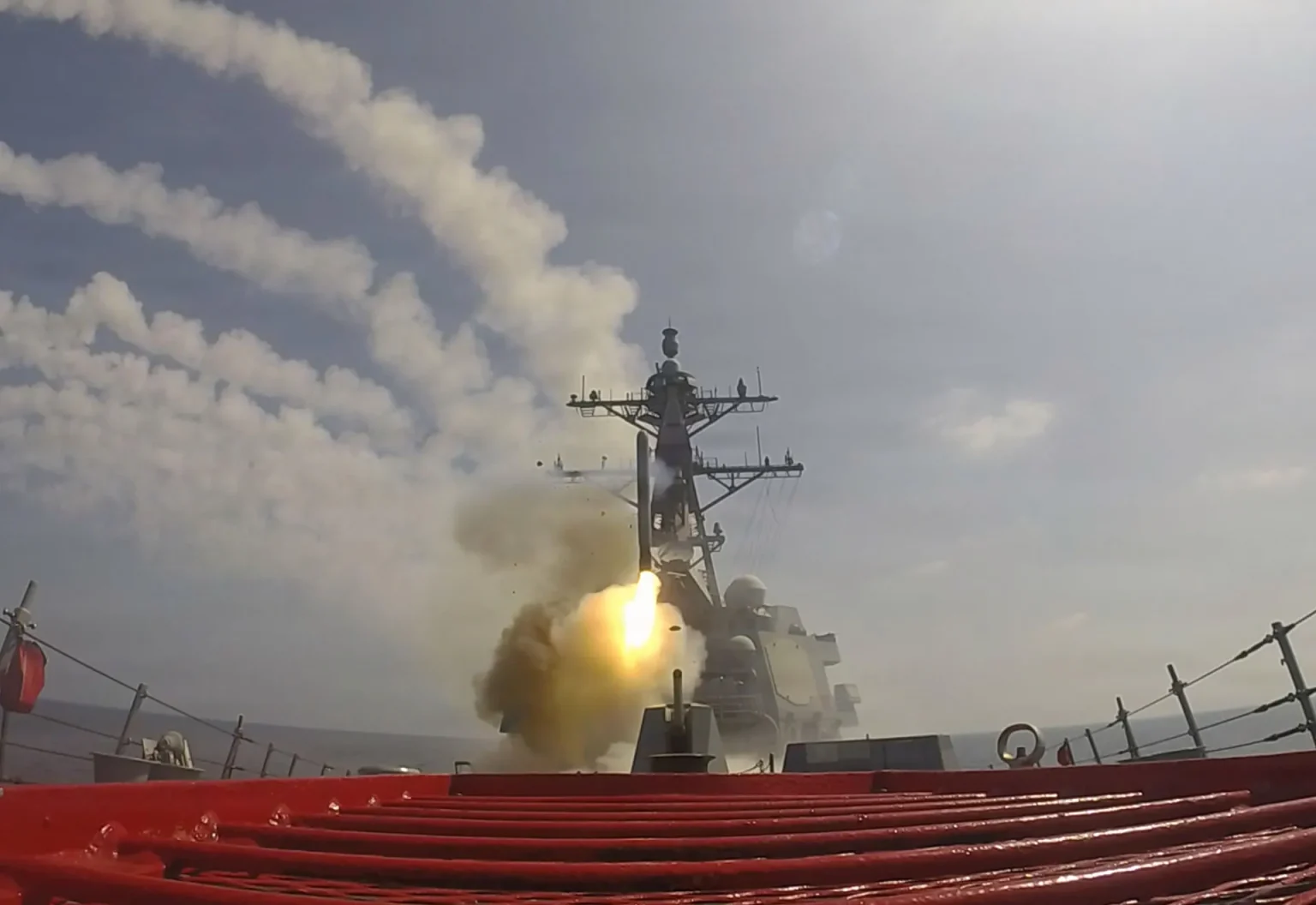
U.S. strikes on Iran intensified on September 7, 2026, as American forces reportedly widened operations into southern Iran, according to military analysts and Iranian state media. The moves, which began with recent strikes elsewhere, appear to mark a second line of operations aimed at degrading the Islamic Revolutionary Guard Corps, analysts said, raising concerns about an inadvertent wider war.
The new wave of activity was reported across multiple southern sites, including Konarak in Sistan and Baluchestan province and the cities of Bushehr, Jaghdak and Bandar Abbas, local media stated. Meanwhile, analysts noted increased aerial refueling activity and the forward movement of the USS Abraham Lincoln strike group between Cyprus and Crete, which U.S. officials have not publicly detailed.
Operational pattern and military pacing
Colonel Nidal Abu Zaid, a military analyst, said the U.S. appears to be staging a series of sequential operations across distinct geographic sectors to systematically pressure the IRGC. According to his analysis, the pattern suggests U.S. forces are moving from one operational pocket to another in sustained operations that could continue for days or weeks, rather than a single, large strike.
Additionally, reports of increased radio traffic and tanker movements near the eastern Mediterranean were interpreted by some analysts as preparatory steps for expanded missions. The reported posture—combining carrier assets, tankers and other support—would give U.S. commanders greater reach and flexibility across the Gulf and southern Iran, experts said.
Expanded targeting and regional implications
Iranian state outlets and the Mehr news agency reported explosions in multiple southern cities, though independent verification remains limited. Iranian television also reported that a U.S. munition fell near the Bushehr nuclear complex, while the Islamic Revolutionary Guard Corps claimed it struck a command center in the region and fired missiles at Al-Azraq base in Jordan, according to IRGC statements.
These exchanges highlight the risk of escalation beyond the original targets. Furthermore, analysts warn that as U.S. strikes on Iran broaden, Tehran could widen its targeting to include regional infrastructure or proxy positions across the Gulf and Levant. Therefore, neighboring states may experience spillover effects that could disrupt shipping, energy infrastructure and regional security.
Political signaling and domestic narratives
Iranian officials framed the U.S. actions as an attempt to weaken the IRGC, while hardline voices urged reciprocal measures. Mashallah Shams Al-Waezin, identified as a leader within Iran’s journalists’ syndicate, suggested Iranian leadership may expand operations if the United States escalates further, adding that Tehran suspects Israel could join operations at Washington’s request.
In Washington and allied capitals, officials have emphasized measured and calculated strikes while underscoring a continued focus on preventing Iran from acquiring nuclear weapons. Analysts say this political signaling serves domestic audiences on both sides and aims to shape international support for limited military options rather than a broader war.
Diplomatic pressure and the risk of miscalculation
Dr. Abdullah Al-Shayji, a political scientist at Kuwait University, warned that the current fragile lull could slide toward a dangerous zero-sum moment if both sides remain inflexible. He argued that increased mediation efforts are needed to prevent accidental escalation, particularly given public rhetoric that could harden positions on all sides.
Experts caution that miscalculations are possible when kinetic operations and political statements occur simultaneously. For example, public remarks by U.S. leaders about seizing strategic locations such as Kharg Island—mentioned in regional coverage—could inflame Tehran and increase the chance of direct confrontations that spiral beyond planned objectives.
Regional actors and proxy dynamics
Observers note that Iran has a variety of proxy networks across the region that could be activated in response to expanded U.S. strikes on Iran. Such groups have previously targeted Gulf shipping, energy infrastructure and bases hosting U.S. personnel. Consequently, even limited U.S. actions could provoke indirect attacks on third-party states and facilities unless de-escalatory channels hold.
Israeli calculations and renewed nuclear focus
In Israel, officials view the developments through a different lens. Israeli analysts say renewed U.S. pressure on Iran also re-elevates nuclear concerns that had receded while attention focused on Strait of Hormuz incidents. Prime Minister Benjamin Netanyahu has used the situation to argue that diplomatic understandings with Iran do not remove the threat and to justify continued freedom of action against Tehran, analysts note.
Therefore, the current pattern of strikes could bolster political arguments in Israel for a tougher stance, while also complicating coordination among U.S. allies who seek to limit escalation.
What to watch next
Expect continued reporting over the coming 48–72 hours on the locations and outcomes of additional operations, as well as any confirmations from U.S. or Iranian authorities. Diplomats and regional mediators will be key actors to watch for signs of renewed negotiations or efforts to establish clearer red lines, according to experts.
Meanwhile, monitoring maritime traffic in the Gulf, air-refueling patterns in the eastern Mediterranean and official statements from the IRGC and U.S. Central Command will provide early indicators of whether the campaign remains targeted or moves toward broader confrontation.
In conclusion, U.S strikes on Iran have shifted into a new phase that aims at degrading the IRGC’s capabilities while seeking to avoid full-scale war. The next few days will be critical for determining whether diplomatic containment can prevent miscalculation or whether the campaign’s pacing will spur wider regional escalation.