







Katara Prize for Arabic Novel shortlists reveal record participation
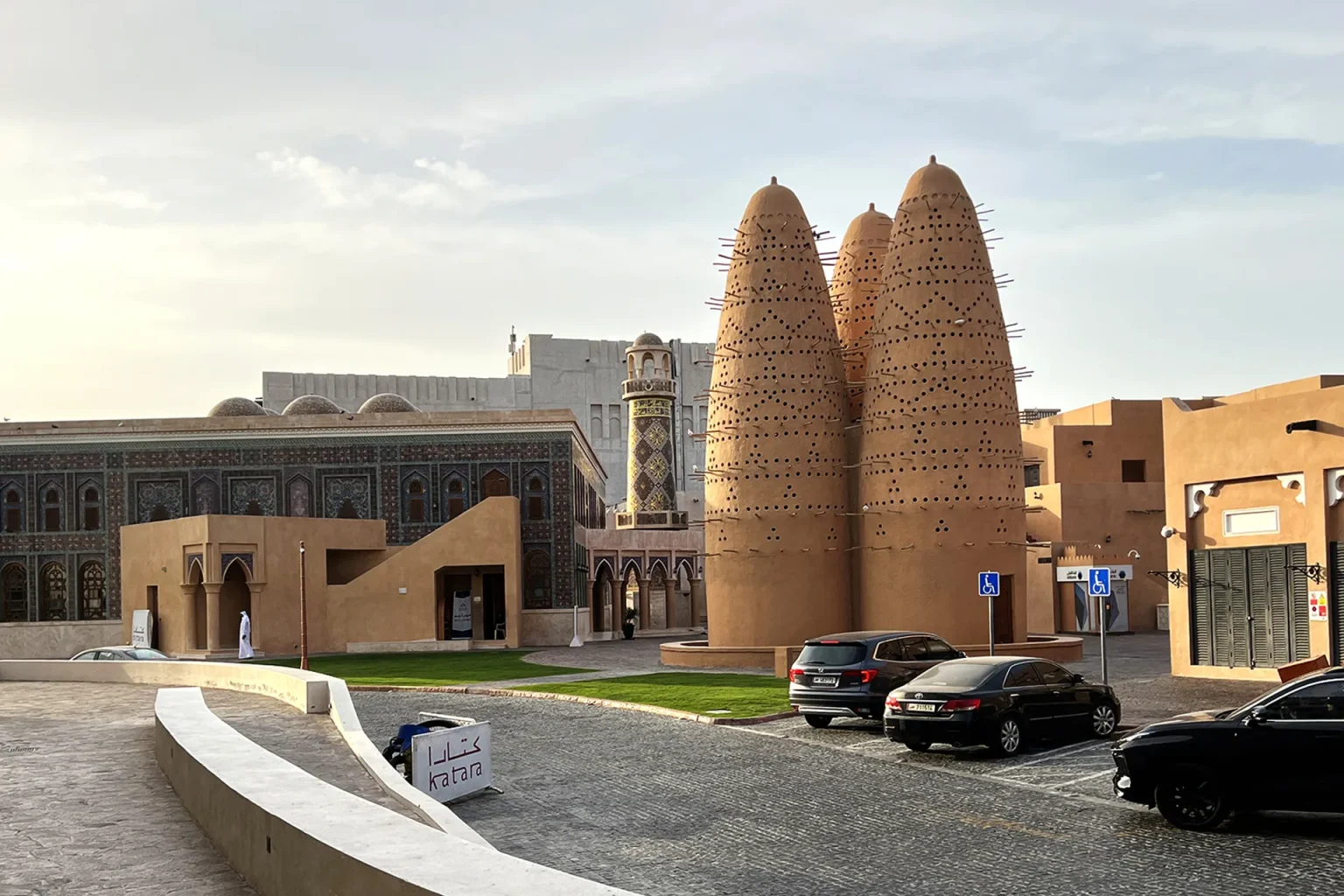
The Katara Prize for Arabic Novel announced its shortlists for the 12th edition on August 17, 2026, revealing an unprecedented 2,610 submissions, organizers said. The shortlist, published from Katara Cultural Village in Doha, Qatar, includes 45 novels across five categories and nine critical studies, and positions the prize as a major event for contemporary Arabic fiction.
The shortlists reflect both breadth and urgency in the region’s literary scene. Critics say the surge in entries highlights how novel writing has become a refuge and a forum for processing conflict, memory and social change across the Arab world.
Record turnout and themes in the Katara Prize for Arabic Novel
Organizers characterized the 2,610 entries as the highest in the award’s history, a metric they view as evidence of rising literary energy. Observers note that a significant share of shortlisted authors come from countries experiencing war and displacement, including Palestine, Sudan, Yemen and Syria, indicating a shift in Arabic fiction toward narratives rooted in survival and testimony.
Meanwhile, the shortlists span established and emerging voices, with selection committees naming works in categories for published novels, unpublished manuscripts, historical fiction and youth literature. Cultural commentators said the diversity of entries suggests the prize is reshaping regional publishing priorities by spotlighting stories that large-market publishers have historically overlooked.
Published fiction on the shortlist
The category for published novels features works that review contemporary concerns through varied forms and settings. Notable entries include The Seventh Day’s Melody by Jalal Burjess (Jordan), Asha: The Scarab and the Moon by Samar Nour (Egypt), and Umm Kulthum’s Madmen by Sharif Saleh (Egypt). Furthermore, I Saw What You Must Not See by Tariq Al-Tayyib (Sudan) and Sabdala by Abdul Qader Al-Jassem (Syria) were also listed, along with titles from Algeria and Saudi Arabia.
Additionally, the published list features veteran and mid-career writers whose work tackles urban life, memory politics and religious and cultural heritage. Literary analysts say such a grouping helps readers and publishers map contemporary trends in Arabic fiction and the changing concerns of novelists across the region.
Unpublished manuscripts and the emergence of new voices
The unpublished category, often seen as the prize’s most fertile terrain for discovery, highlights manuscripts that have not yet reached the market. Shortlisted titles include The Camp by Nasreen Al-Qaisi (Palestine), Another Day for Death by Huda Al-Mashharawi (Palestine), The Talisman by Mohammed Al-Shuwaie (Yemen), and City of the Past by Samer Ismail (Syria).
Talent scouts and editors noted that many unpublished entries address erasure, exile and the minutiae of daily life under duress. Consequently, the shortlist has drawn renewed attention from regional and international publishers seeking to expand their Arabic fiction lists.
Historical novels and youth fiction as tools of cultural awareness
The historical fiction shortlist, with nine entries, aims to revisit overlooked or contested chapters of Arab history, from medieval science to twentieth-century urban life. Organizers said these works contribute to a reassessment of historical narratives and play a role in cultural memory formation.
Separately, the youth fiction category also contains nine titles selected to engage younger readers with imaginative storytelling and themes of belonging. Educational advocates argue that strong youth literature can foster critical thinking and cultural continuity among emerging generations.
Financial support, translation strategy and cultural translation
Since its 2014 launch, the Katara Prize for Arabic Novel has emphasized financial backing as a core part of its mission. Officials said winners in the published and unpublished novel categories receive awards ranging from $30,000 to $60,000, and some cycles have offered total prize pools exceeding $600,000. Literary organizations and scholars describe this funding as a tangible mechanism to relieve authors of market pressures and enable sustained creative work.
Beyond cash prizes, the award’s organizers prioritize international exposure. Winning works are slated for translation into English and French, a deliberate policy that cultural analysts say advances cultural translation and helps counter Western gatekeeping of narratives about the Arab world. Translation projects aim to present authors’ voices directly to global readers rather than filtered through external curatorial lenses.
Industry impact and editorial perspectives
Publishers and agents attending to the shortlists believe the Katara Prize accelerates acquisition interest for both published and unpublished books. Agents reported increased queries from foreign publishers seeking translation rights, which could translate into broader distribution for shortlisted authors.
Meanwhile, critics caution that prize attention does not automatically solve deeper structural issues in Arab publishing, such as distribution bottlenecks and limited retail infrastructure. Nevertheless, stakeholders say that the combination of prize money and translation support represents meaningful progress toward a more sustainable literary ecosystem.
Related developments
Observers noted the shortlist also includes nine critical studies, signaling that literary criticism remains integral to the prize’s remit. Academic commentators expect that renewed critical attention will stimulate scholarly engagement and curricular uptake of contemporary Arabic fiction.
What to watch next
Organizers said they will announce final winners later in the award cycle, with an awards ceremony and subsequent translation schedules following. Readers should watch for official dates from Katara Cultural Village and for translation release plans that may introduce shortlisted authors to English- and French-language markets.
In sum, the 12th edition shortlists for the Katara Prize for Arabic Novel mark a significant moment for Arabic fiction: record submissions, a strong showing from conflict-affected regions, and reinforced mechanisms for financial support and cultural translation. Together, these developments suggest the prize will continue to influence which Arabic stories reach both regional and global audiences.