





Regional Tensions in the Strait of Hormuz
On January 9, 2026, Qatar issued a warning regarding the ongoing maritime crisis in the Strait of Hormuz, highlighting the potential for a significant regional escalation if left unaddressed. Officials from Qatar assert that Israel is exploiting the current tensions to impose a new strategic reality and assert regional dominance. The Qatari government is actively engaging in diplomatic efforts with regional and international partners to facilitate a return to dialogue.
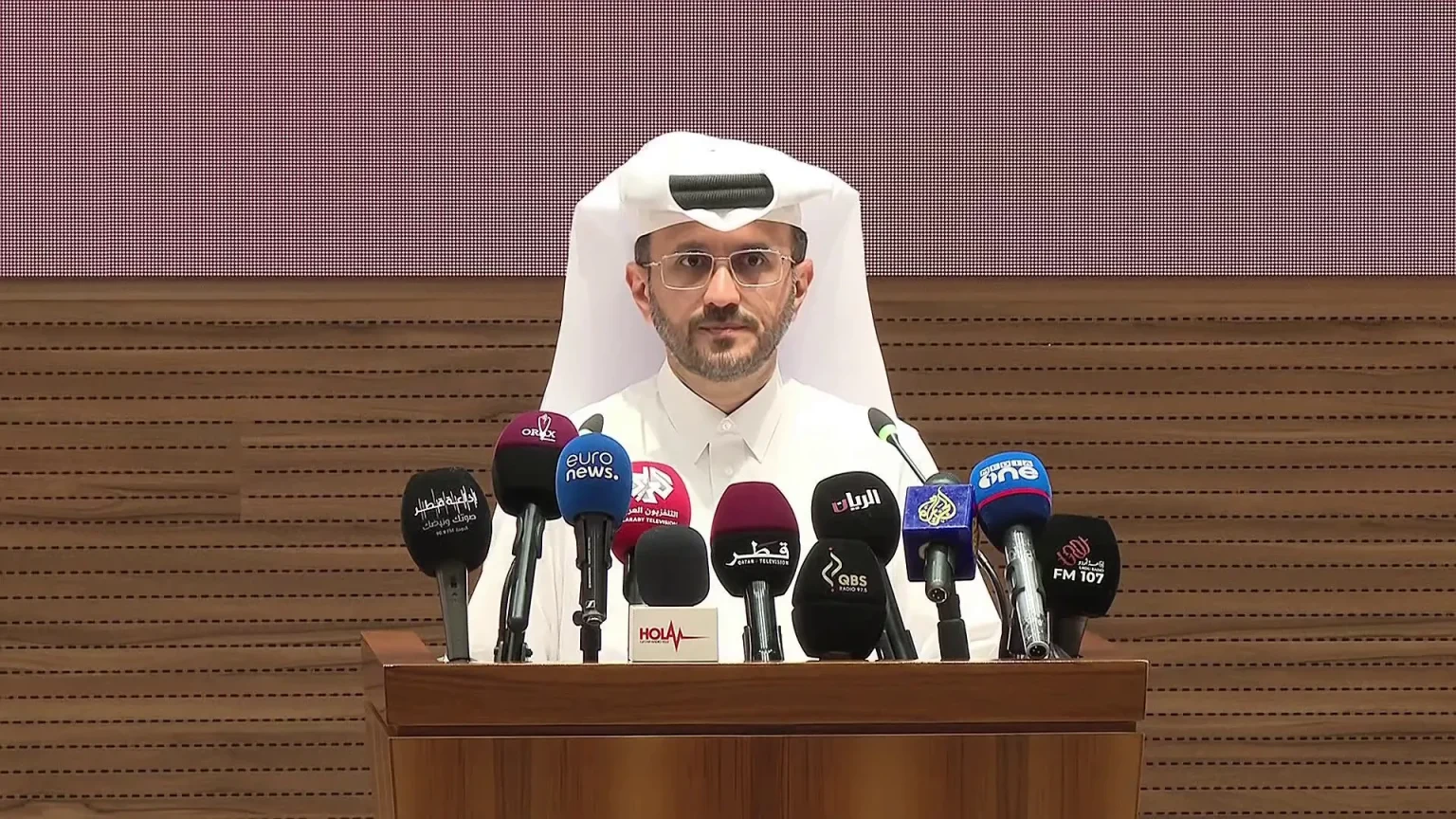
According to Qatar’s Ministry of Foreign Affairs spokesperson, Majed Al-Ansari, last week’s visit by the Prime Minister and Minister of Foreign Affairs, Sheikh Mohammed bin Abdulrahman Al Thani, to Tehran was part of comprehensive regional efforts aimed at de-escalation. This initiative involves discussions with various regional players, including Oman and Pakistan, to address security concerns related to navigation and energy supply.
Escalation Warnings Amid Regional Dynamics
Al-Ansari emphasized that ignoring the crisis or attempting to normalize the closure of the vital Strait of Hormuz could ultimately lead to a dangerous escalation in the region. He expressed that such a situation would not benefit any party involved. Increased tensions in this strategic waterway also raise concerns about the economic repercussions for both the region and the global community.
The spokesperson also responded to queries regarding Israeli military movements in the West Bank, Gaza, Lebanon, and Syria. He reiterated Qatar’s position that Israel is attempting to utilize the regional escalation to impose a perilous new strategic landscape. Al-Ansari stated that these actions do not relate to legitimate security measures but instead signify Israel’s desire for increased regional hegemony.
Qatar’s Stance on Regional Stability
Qatar’s government is calling on the international community and peace-loving nations to take substantial steps to hold Israel accountable for its actions. Al-Ansari articulated that many of Israel’s recent maneuvers cannot be justified within the context of defensive operations or recent military confrontations, highlighting the urgency of the situation.
In addition to addressing regional maritime threats, the Qatari government continues to engage diplomatically over the situation in Libya. The recent visit by Foreign State Minister Mohammed bin Abdulaziz Al Khalifi to Tripoli and Benghazi underscores Qatar’s commitment to supporting Libya’s unity, stability, and sovereignty. This visit marks the first time a Qatari official of such rank has traveled to Eastern Libya in 14 years.
Support for Libya and Humanitarian Efforts
During his trip, Al Khalifi met with prominent Libyan leaders, including Abdullah Al Lafi, Prime Minister Abdulhamid Dbeibah, and Mohamed Takala, the head of the Supreme State Council. He also held discussions with General Khalifa Haftar, the Libyan National Army’s deputy commander, in Benghazi. Al-Ansari reiterated Qatar’s support for political processes and peaceful solutions that reflect the aspirations of the Libyan people.
Furthermore, Qatar continues its humanitarian efforts on multiple fronts. Recently, the country has dispatched aid to Nepal to support victims of flooding, benefiting approximately 52,000 individuals affected by this natural disaster. This aspect of Qatari diplomacy illustrates the nation’s commitment not only to regional stability but also to global humanitarian concerns.
Looking Ahead: Diplomatic Pathways and Continued Engagement
In conclusion, as Qatari officials navigate these complex regional dynamics, the focus remains on fostering dialogue and preventing escalation in the Strait of Hormuz and elsewhere. Observers should watch for potential developments in diplomatic engagement among Qatar’s partners, as well as any shifts in Israel’s military posture in response to these ongoing tensions. The next steps will be crucial in determining whether a substantive resolution can be achieved that aligns with broader international stability objectives.