





Qatar foreign minister calls Hamas leader
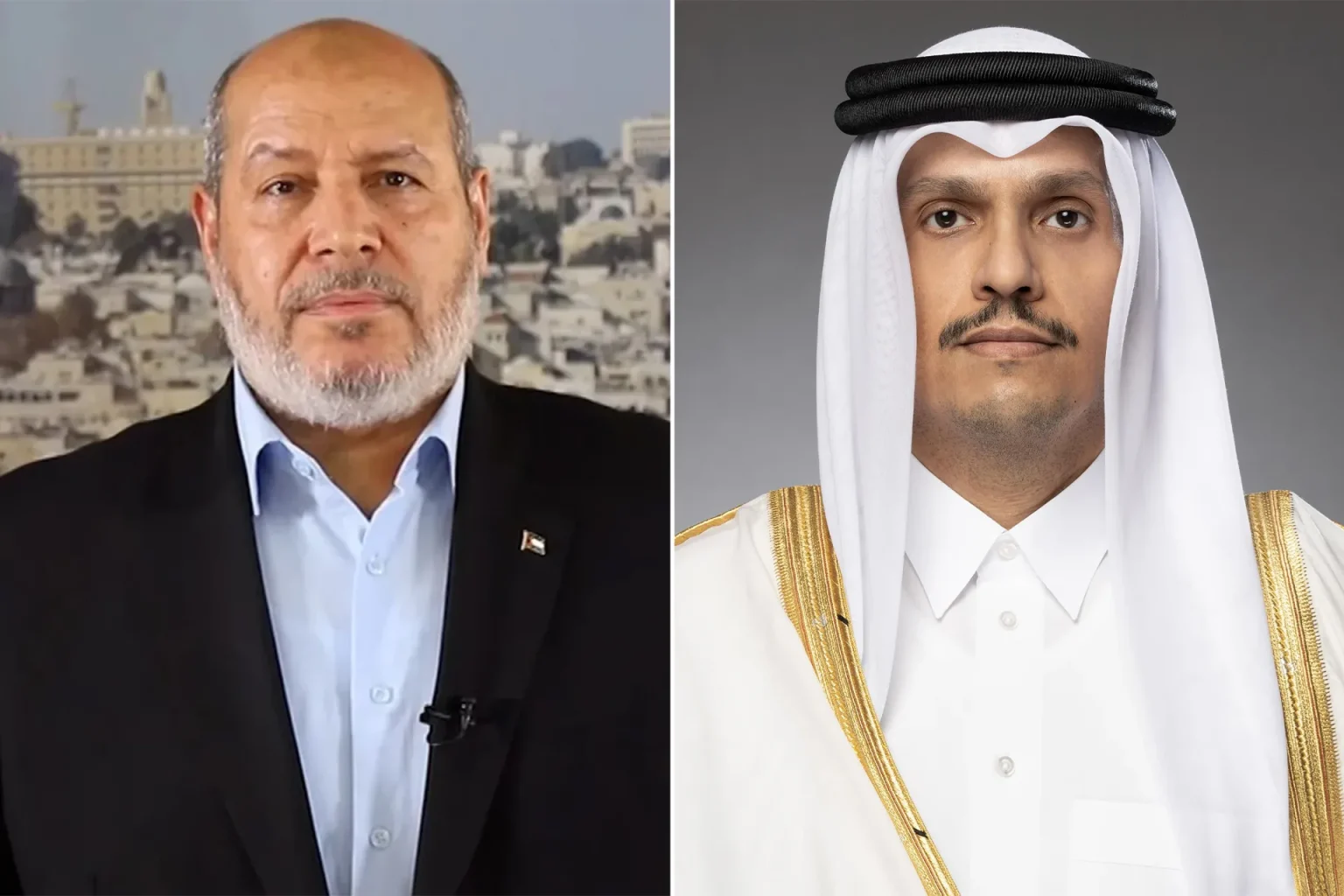
Qatar’s prime minister and foreign minister, Sheikh Mohammed bin Abdulrahman Al Thani, held a telephone call on July 31, 2026, with Khalil al-Hayya, the newly appointed head of Hamas’s political bureau, the Qatari Foreign Ministry said. The Qatar foreign minister calls Hamas leader to offer congratulations and to welcome Hamas’s acceptance of the ceasefire roadmap, according to the ministry’s statement.
The call, made from Doha, came as officials said both sides signaled support for moving to the second phase of a ceasefire plan aimed at expanding humanitarian access and advancing stability in the Gaza Strip. The discussion emphasized international responsibilities and pressure on Israel to meet its commitments under the agreement, the statement added.
Acceptance of the ceasefire roadmap
Qatar’s foreign minister described Hamas’s acceptance of the detailed ceasefire roadmap as a constructive step, officials said. The roadmap outlines steps to implement the second phase of a broader pause in hostilities, including expanded humanitarian corridors and measures to prevent further civilian harm.
According to the statement, the Qatari call underscored the need for the international community to press Israel to comply with its obligations and to halt ongoing violations of Palestinian rights. Furthermore, the foreign minister conveyed hopes that the roadmap’s execution would reduce civilian suffering and contribute to longer-term security for Gaza residents.
Context and background on the agreement
The phased agreement dates back to an initial implementation that began on October 10, 2025, which covered a temporary ceasefire, prisoner exchanges and increased humanitarian deliveries. However, the first phase encountered setbacks as Israeli forces continued operations and restricted aid flows, according to reports cited by humanitarian agencies.
Officials linked to the so-called “Peace Council” said the council and Donald Trump announced an understanding to move forward with the next stage, and the council described Hamas’s acceptance as consistent with that plan. The Peace Council is one of several structures announced by the White House on January 16 to manage Gaza’s transitional arrangements, alongside an executive Gaza council, a national technocratic administration and an international stability force, the White House said at the time.
Humanitarian situation and international responsibilities
The foreign minister’s remarks echoed wider concern about the humanitarian crisis in Gaza. Since major hostilities escalated in October 2023, multiple reports indicate staggering civilian tolls and extensive damage to civilian infrastructure. The Qatari ministry highlighted the urgency of scaling up humanitarian aid and restoring basic services.
Humanitarian organizations have repeatedly warned that ongoing restrictions on aid and continued military operations have worsened the crisis. Therefore, Doha urged states and multilateral bodies to ensure unhindered deliveries of food, medical supplies and water, and to support mechanisms for civilian protection, officials said.
Political and security implications
Analysts said the Qatar foreign minister calls Hamas leader may signal Doha’s continued role as a key interlocutor capable of mediating between Palestinian factions and external stakeholders. Qatar’s engagement seeks to preserve fragile pauses in fighting and to shepherd technical steps outlined in the roadmap toward practical outcomes.
Nevertheless, regional and international actors face challenges in enforcing commitments on the ground. Monitoring mechanisms and third-party verification will be critical for the roadmap’s credibility, and any failure to meet benchmarks risks a return to intensified hostilities, analysts warned.
What the roadmap requires and expected next steps
The roadmap reportedly includes phased easing of restrictions on goods and people, verified cessation of major combat operations, and arrangements for prisoner exchanges and reconstruction planning. Implementation depends on coordinated action by local parties and international guarantors, the statement suggested.
In the coming days, observers will look for formal confirmation of timelines, the composition of monitoring teams and the opening of humanitarian corridors. Therefore, the immediate next step is likely to be technical meetings among the Peace Council, Qatari mediators and other stakeholders to define verification protocols and logistics for aid deliveries.
Related diplomatic signals
Doha’s congratulations to Khalil al-Hayya and its endorsement of the roadmap follow other diplomatic gestures aimed at stabilizing Gaza. Additionally, officials stressed that international pressure on Israel to meet its obligations is essential to complete the roadmap and to prevent renewed escalation.
Humanitarian aid and reconstruction prospects
Humanitarian organizations have called for scaled-up assistance and clearer channels for reconstruction funding. Qatar has previously played a role in coordinating aid convoys and facilitating donor pledges, and Qatari officials said they intend to remain engaged in practical support for Gaza’s recovery.
However, the scale of damage—reported as extensive by relief agencies—means reconstruction will require sustained international financing and detailed planning to restore basic services and civilian infrastructure, observers said.
Conclusion and what to watch next
The Qatar foreign minister calls Hamas leader underscores Doha’s continuing role in mediation and its push to move the ceasefire roadmap from agreement to action. In the short term, readers should watch for formal verification arrangements, the opening of humanitarian corridors, and international responses to enforcement measures.
Progress will be measured by tangible improvements in aid access, reductions in civilian casualties and the establishment of monitoring teams. If those benchmarks are met, the roadmap could provide a pathway to easing Gaza’s humanitarian crisis; if not, the risk of renewed conflict will remain significant.