




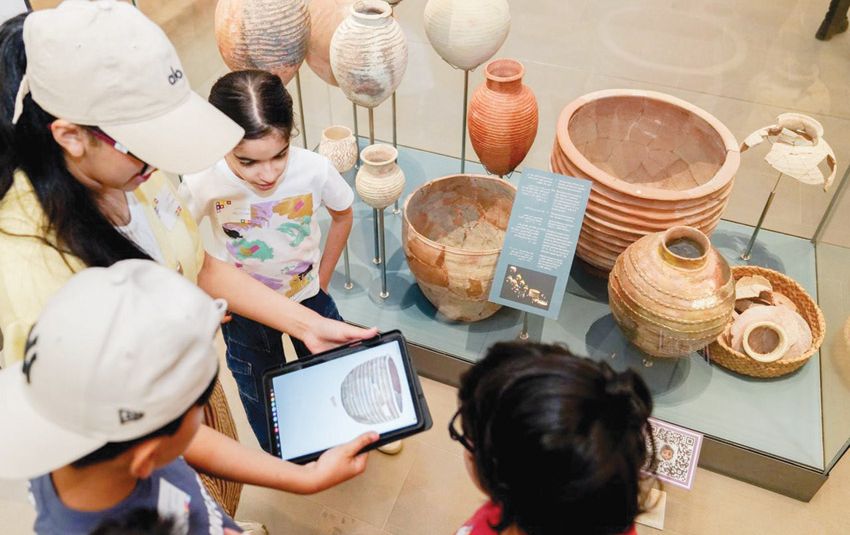

Bahrain cultural children’s program continues at Bahrain National Museum
The Bahrain cultural children’s program is running throughout August at the Bahrain National Museum, offering a series of interactive educational activities designed to strengthen children’s connection to national heritage. Officials from the Bahrain Authority for Culture and Antiquities said the second edition of the program aims to combine learning and hands-on creativity for participants aged across youth groups, with weekday and weekend sessions available.
Launched in early August, the program is hosted at the Bahrain National Museum and coordinated by the Bahrain Authority for Culture and Antiquities (BACA). According to official statements, the initiative seeks to promote cultural heritage education and foster national identity through workshops, expert talks and field trips to traditional craft sites.
Program structure and weekly themes
The program opened with a week titled “Tales from History,” which focused on Bahrain’s maritime past and its role in shaping local identity. Participants explored aspects of maritime heritage through interactive sessions and meetings with practitioners, investigators said, providing context on seafaring traditions and their cultural significance.
Following the initial week, organizers scheduled a series of themed weeks covering palm-tree narratives, traditional arts and crafts, and broader tales from heritage. Therefore, each week blends storytelling with practical activities, allowing children to engage with both tangible and intangible elements of Bahrain’s past.
Furthermore, curriculum designers included basic craft techniques, guided museum tours and creative workshops aimed at building skills and appreciation for local customs. The hands-on approach is intended to make cultural heritage education accessible and enjoyable while encouraging creative expression among young learners.
Community partnerships and participating artists
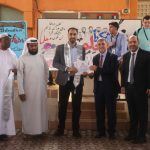
Community partners contributed to the program’s design and delivery, expanding the range of experiences available to attendees. Officials said the program included participation from Our Champions Center, trainer Aisha Al Sulaiti and artist Hanadi Al Ghanem, each bringing specialized skills to the learning modules.
These partnerships are meant to bridge museum-based learning with community practice, giving children direct contact with practitioners and artists. Meanwhile, the Authority emphasized that such collaboration enriches the content and helps identify emerging talent in a collaborative environment.
Field visits and traditional craft encounters
A notable component of the program is the series of field visits to traditional craft sites and cultural locations. These outings allow participants to observe artisans at work, ask questions and try basic techniques under supervision, which officials say helps to embed appreciation for the national cultural legacy.
In addition, the visits are structured to show the lifecycle of crafts, from material sourcing to finished products, and to highlight the social and economic role of traditional skills. Therefore, the field component is not only educational but also intended to support community artisans through exposure to younger audiences.
How the program supports cultural heritage education
The initiative reflects BACA’s wider commitment to investing in younger generations and integrating culture into daily life. According to the Authority, the program aligns with broader cultural sustainability goals by fostering knowledge, creativity and a sense of belonging among children.
Related secondary keywords such as cultural heritage education and children’s cultural activities are central to the program’s objectives. Furthermore, officials suggested that early exposure to heritage topics can encourage lifelong engagement with museums and cultural institutions.
Registration, schedule and how to follow updates
Interested families can register and review the full schedule by following the Bahrain Authority for Culture and Antiquities on social media. For up-to-date information, the Authority directs users to its official handle, @culturebah, where registration details and session timings are posted.
Program sessions run across weekdays and selected weekend dates through the end of August. Therefore, parents and guardians are advised to check the posted schedules for age eligibility and available slots, as space for hands-on workshops may be limited.
Implications for cultural policy and youth engagement
Observers note that programs like this serve multiple policy objectives: enhancing cultural literacy, promoting creative skills, and reinforcing national identity among youth. The initiative also demonstrates a practical method for integrating museum resources with community-based expertise.
Moreover, by engaging local artists and training centers, the program creates pathways for informal learning and potential mentorship. In contrast to purely classroom-based instruction, museum-led activities offer experiential learning that can resonate more strongly with young participants.
Conclusion: what to watch next
The Bahrain cultural children’s program will continue with its planned themes for the remaining weeks of August, and authorities said they will monitor participation and feedback to inform future editions. Readers should watch for schedule updates and registration announcements on the Authority’s social channels as organizers release additional details.
Looking ahead, officials indicated that outcomes from this edition may shape longer-term initiatives in cultural education and community outreach. Therefore, stakeholders and families interested in children’s cultural activities are encouraged to follow BACA updates and consider participating in upcoming sessions.