


North Al Sharqiyah tree-planting project launch and timeline
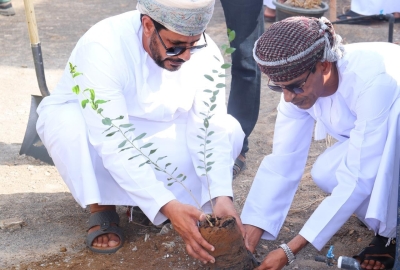
North Al Sharqiyah is preparing to launch a major North Al Sharqiyah tree-planting project in September, officials said. The initiative will be officially inaugurated in the Al Qawr area of Bidiyah and will culminate in a synchronized planting campaign across the governorate on October 31, aiming to broaden urban greening and increase green cover.
Shayma bint Nasser Al-Rasbi, Director of Service Development at the North Al Sharqiyah Governor’s Office, said preparatory work is nearing completion. According to the office, field planting activities will begin in September, followed by a year-long monitoring and maintenance phase overseen by designated local ambassadors.
Scope, partners and target areas for the project
The North Al Sharqiyah tree-planting project involves a broad partnership among government departments, private sector firms, non-governmental organizations and local communities. Officials described the initiative as a comprehensive effort to integrate green infrastructure into residential neighborhoods, wadis, educational institutions and public and commercial facilities.
Project planners identified multiple target areas including urban districts, industrial perimeters and open residential plots. Furthermore, coordinated community tree planting drives will engage schools, university groups and volunteer teams in all wilayats, officials said, to ensure a unified approach on the October 31 planting day.
Environmental strategies and species selection
Planners said the project will prioritize drought-tolerant native tree species well adapted to Oman’s climate, including sidr, samr, ghaf and salm. These native tree species were chosen to improve survival rates, reduce maintenance needs and support local biodiversity, according to project documents made available by the governor’s office.
Water efficiency is a stated priority. The program will use rainwater harvesting where feasible and deploy modern, water-efficient irrigation systems in select sites. Therefore, the strategy combines habitat restoration with practical measures to conserve water in this arid region.
Community engagement, maintenance and expected impact
Community involvement forms a central pillar of the North Al Sharqiyah tree-planting project. Initiatives with public-facing names—translated as “Plant Your Home” and “A Sapling for Every Newborn”—aim to encourage households to adopt trees and schools to integrate planting into curricula. Additionally, teams from civil society and private firms will support large-scale sites.
To ensure long-term success, the governorate will appoint local tree-planting ambassadors in each wilayat to oversee irrigation and upkeep for at least one year after planting. A post-planting maintenance program will include routine watering, replacement of failed saplings and community training on tree care.
Benefits for urban greening and public health
Officials predict the project will deliver several benefits including improved air quality, reduced urban heat, and enhanced public spaces. Urban greening is expected to make streets and public facilities more attractive while contributing to microclimate regulation and social well-being.
Furthermore, expanding green cover near industrial zones aims to create vegetative buffers that mitigate environmental effects. Analysts note that such efforts, when combined with resilient water management and use of native species, can deliver lasting ecological value in arid environments.
Implementation challenges and risk management
Project managers acknowledge challenges common to large-scale planting efforts, including ensuring sapling survival in arid conditions and coordinating dozens of stakeholders. Therefore, monitoring and adaptive management will be integral parts of the rollout, officials said, with performance indicators tracked during the first year.
Risk mitigation measures include selecting appropriate planting seasons, using water-saving irrigation technologies, and prioritizing community stewardship to reduce vandalism and neglect. Meanwhile, technical teams will test soil and site conditions to match species selection with local microenvironments.
Related programs and regional context
The governorate’s initiative aligns with broader national and regional trends emphasizing green infrastructure and sustainable development. Community tree planting campaigns have become common tools in Gulf countries seeking to increase urban canopy cover while combating desertification and enhancing livability.
Local officials indicated that lessons learned from pilot sites will inform future phases and that partnerships with academic and environmental organizations may provide ongoing technical support. Therefore, the project could serve as a model for similar efforts in other parts of the country.
What to watch next
Residents and stakeholders should watch for the official September inauguration in the Al Qawr area of Bidiyah and the governorate-wide planting day on October 31. Project organizers will announce volunteer registration details, ambassador appointments and maintenance schedules ahead of the field work.
Progress updates, including maps of planting sites and reports on irrigation systems, are likely to be published by the governor’s office. Meanwhile, community groups interested in contributing to urban greening or community tree planting can contact local municipal offices for participation guidelines.
Conclusion and forward look
The North Al Sharqiyah tree-planting project represents a coordinated effort to expand green cover, foster community stewardship and introduce water-wise planting practices. With implementation beginning in September and a unified planting campaign set for October 31, next steps will focus on site preparation, volunteer mobilization and the appointment of local ambassadors.
Observers should monitor the early survival rates and maintenance outcomes during the first year, as those indicators will determine the initiative’s long-term sustainability and potential replication in other governorates.