






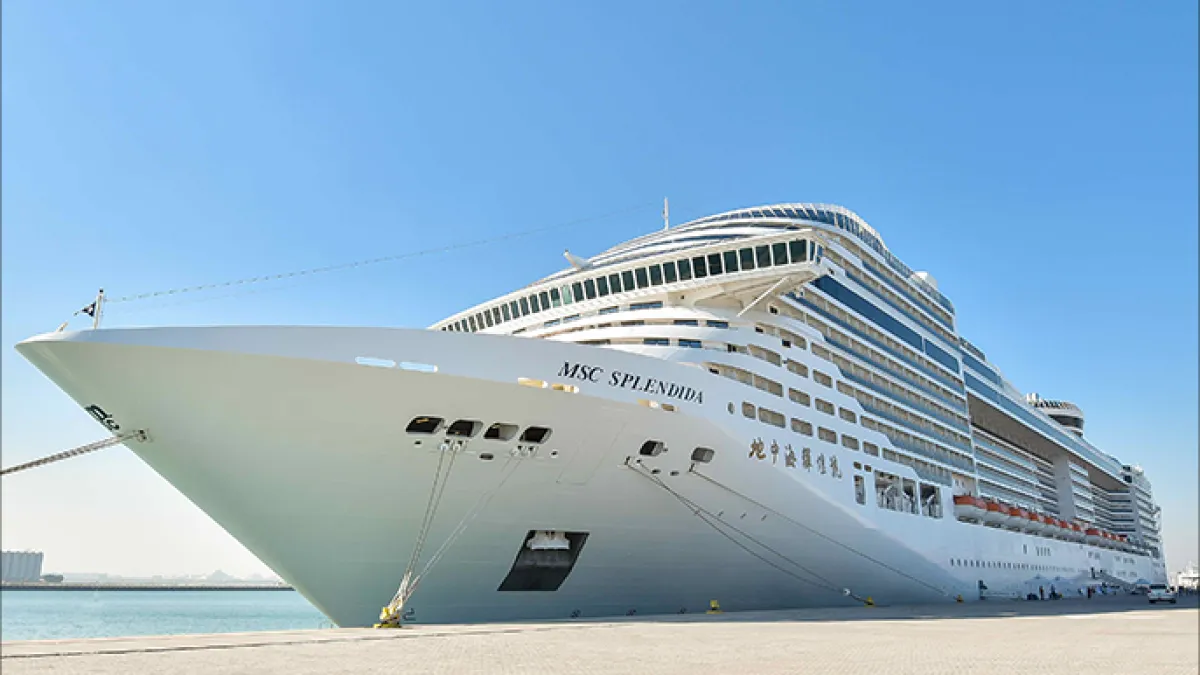

Qatar resumes maritime navigation amid regional tensions
Qatar resumes maritime navigation, the Ministry of Transport announced on X (formerly Twitter) on Saturday, July 25, 2026, saying full maritime activity will restart from Sunday, July 26. The ministry asked all vessel operators to comply with existing maritime regulations and to ensure that safety and security equipment are present and functioning before and during voyages. The notice applies to all types of vessels and marine craft in Qatari waters and approaches.
What the ministry statement said and when it takes effect
The Qatar Ministry of Transport posted the advisory on its official X account, officials said, specifying that normal navigation is to resume in Qatari territorial waters and ports starting the following day. Furthermore, the ministry urged masters, owners and operators to verify lifesaving, firefighting and security gear and to follow vessel watchkeeping and reporting requirements.
Meanwhile, the ministry reiterated that all seafarers should observe maritime safety guidelines and national directives, according to the statement. The advisory follows a temporary suspension issued earlier in July that had ordered ships to refrain from navigation until further notice.
Background: why navigation was previously suspended
The ministry’s move to restore operations comes after a July 12 advisory advising vessels to suspend navigation activities, a precautionary step that the ministry did not publicly explain at the time. Officials later linked the earlier caution to security developments, including domestic reports that three people, including a child, were injured by shrapnel from intercepted missile debris, as noted by Qatari interior authorities.
Therefore, the suspension appeared to be a short-term maritime safety measure tied to regional security incidents rather than port or weather disruptions. Shipping operators and port authorities had reacted by increasing alerts and contingency planning while awaiting further guidance.
Regional security context and possible impacts on Gulf shipping
The resumption arrives against a backdrop of intensified U.S.-Iran hostilities that have affected Gulf security dynamics. Reports indicate the United States has conducted strikes against targets in Iran over recent weeks, and Iran has said it has struck what it described as U.S. military sites in certain Arab states. Some of those states have reported civilian casualties and damage to civilian infrastructure, according to official statements.
Consequently, Gulf shipping routes and maritime insurance markets had tightened following the July advisory, with some carriers adjusting schedules and ports heightening security screenings. Therefore, the ministry’s assurance that navigation can resume may help relieve immediate commercial pressure, but carriers and insurers are likely to remain cautious while the security situation evolves.
Practical implications for shipping companies and crews
Vessel operators planning to resume calls to Qatari ports should confirm berth availability, pilot arrangements and local notices to mariners before transit. Additionally, companies are advised to verify that all safety drills and equipment checks are up to date and that watchstanding and communications protocols are robust, the ministry suggested.
Port authorities and pilots are expected to issue operational updates as needed. Therefore, ship managers should maintain close contact with local agents and with their classification societies and underwriters to address any compliance or insurance questions that may arise.
Insurance and commercial considerations
Maritime insurers and charterers typically reassess risk exposure after incidents that prompt temporary suspensions. In this case, the market reaction since July may include revised premiums for transits near the Strait of Hormuz and increased demand for convoy or armed protection services in some cases, analysts have previously noted. However, the ministry’s directive to resume navigation could moderate near-term commercial disruption if the security environment remains stable.
Diplomatic developments underlying the maritime advisory
The resumption also follows diplomatic moves earlier this year. In June, the United States and Iran reportedly signed a memorandum of understanding that included a temporary ceasefire following mediation by Qatar and Pakistan, according to available reports. That ceasefire was described as a step toward a broader agreement to end hostilities.
However, the ceasefire’s reported termination on July 8 by the U.S. administration, as stated in public remarks, appears to have contributed to renewed tensions. Therefore, the ministry’s maritime decisions have unfolded against shifting diplomatic dynamics that regional governments and shipping stakeholders are monitoring closely.
What to watch next: timelines and likely follow-up actions
Shipping companies, port operators and international observers should watch for further communications from the Qatar Ministry of Transport and the Ministry of Interior for any changes to navigational advisories. Additionally, notices from the International Maritime Organization, regional coast guards and major classification societies could provide guidance on recommended protective measures.
Therefore, readers should expect updates if there are changes to the security outlook, additional incidents, or new multilateral diplomatic developments. The next 48–72 hours will be particularly important for assessing whether normal commercial patterns resume or whether further adjustments are needed.
Outlook for maritime safety and regional trade
In summary, Qatar resumes maritime navigation with an explicit call for adherence to safety and security rules, according to the ministry statement. The move may help stabilize port schedules and reduce short-term disruptions to Gulf shipping, but the broader regional security picture remains fluid and could affect maritime operations going forward.
Therefore, stakeholders should maintain heightened vigilance, ensure full compliance with safety protocols and closely monitor official advisories and diplomatic developments. The next expected steps include routine operational updates from Qatari authorities and ongoing international diplomatic engagement to reduce risks to commercial maritime traffic.