





Saudi strikes in Iraq: Initial Report
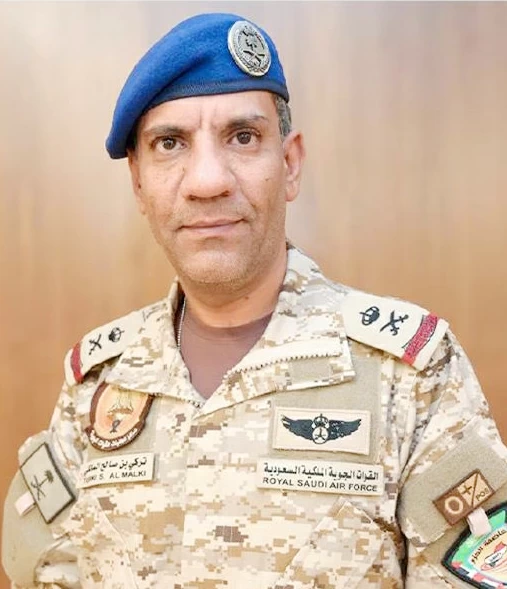
Saudi strikes in Iraq took place hours earlier when the Saudi Ministry of Defense announced precise operations against locations it identified as bases for terrorist militias inside Iraqi territory. The ministry said the actions were limited and targeted to neutralize immediate threats, according to its public statement. Iraqi authorities did not immediately issue a comment, and there was no immediate international response.
What happened in the targeted strikes
According to the Saudi Ministry of Defense, the operation involved selective strikes on infrastructure and positions linked to armed groups that Riyadh described as terrorist militias. The ministry stated that the strikes were aimed at degrading capabilities that posed an imminent threat to Saudi security. Meanwhile, available official bulletins offered limited operational detail and did not specify the weapons used.
Observers noted the operation appeared focused and time-limited rather than a broad campaign of cross-border attacks. Furthermore, reports indicate the Saudi statement emphasized efforts to avoid civilian harm and to strike only identified militant facilities. Iraqi state media and local officials had not confirmed the Saudi account at the time of reporting.
Why Saudi launched targeted strikes
Saudi officials framed the action as a defensive measure against what they called continued threats by terrorist militias operating near or across the border. The ministry’s announcement suggested the strikes were intended to deter further attacks and dismantle militant command-and-control elements. Analysts say the operation fits a pattern of targeted strikes aimed at disrupting groups that regional capitals link to destabilizing activities.
Secondary keywords relevant to the incident include targeted strikes and terrorist militias, which reflect both the stated intent of the Saudi operation and the type of groups named by Riyadh. In context, the strikes are part of a broader security posture by Saudi Arabia that has increasingly focused on pre-emptive, surgical action against perceived cross-border threats.
Regional and diplomatic implications
Cross-border military actions carry diplomatic risks, and the Saudi strikes in Iraq are likely to draw scrutiny from Baghdad and other regional actors. Historically, such incidents have prompted formal protests and calls for restraint; therefore, the diplomatic fallout will depend on subsequent disclosures and confirmations by both governments. In contrast, the targeted nature of the operation could limit immediate escalation if both sides engage in measured communications.
International partners and neighboring states typically monitor these developments closely. There was no immediate public comment from the United States or the United Nations at the time of the Saudi announcement. Furthermore, international law and norms regarding sovereignty and self-defense will frame subsequent diplomatic exchanges and any requests for clarification or condemnation.
Security context and past incidents
Saudi Arabia has previously cited cross-border attacks and threats from proxy militias as justification for defensive actions. In recent years, the kingdom has increasingly prioritized pre-emptive measures against groups it accuses of coordinating attacks on its territory. Meanwhile, Iraq has grappled with the presence of various armed formations, some of which have ties to regional networks and external backers.
Analysts caution that the boundary between legitimate self-defense and infringement of sovereignty can be politically fraught. Therefore, follow-up steps by Baghdad and Riyadh will be critical in shaping whether the incident escalates or is contained through diplomatic channels.
Potential military and civilian consequences
Officials have emphasized the precision of the strikes to minimize civilian casualties and infrastructural damage. Still, the fog of conflict can produce conflicting accounts, and independent verification is often slow to emerge. Humanitarian concerns may arise if families or noncombatants were affected, and monitoring organizations will likely seek to confirm reports from the ground.
On the military side, targeted strikes can temporarily degrade militant capabilities, but they rarely eliminate the underlying networks or political drivers that sustain them. Therefore, follow-up intelligence, policing, and diplomatic engagement are typically required to achieve longer-term stability.
What to watch next
Readers should watch for official Iraqi responses, further statements from the Saudi Ministry of Defense, and any reporting from independent media or international observers that provide on-the-ground verification. Additionally, diplomatic moves such as summoning envoys, lodging complaints at international bodies, or briefings by foreign ministries will be indicators of how the situation develops. In the coming days, clarification about the targets struck and any casualties will be particularly consequential.
Finally, monitor whether this incident leads to retaliatory actions by the groups identified by Riyadh or prompts regional mediators to engage. The timeline for clarity will depend largely on whether credible third-party reporting emerges and whether both governments opt for de-escalation through direct communication.