



Qatar Denies Funding Allegations Against Hamas
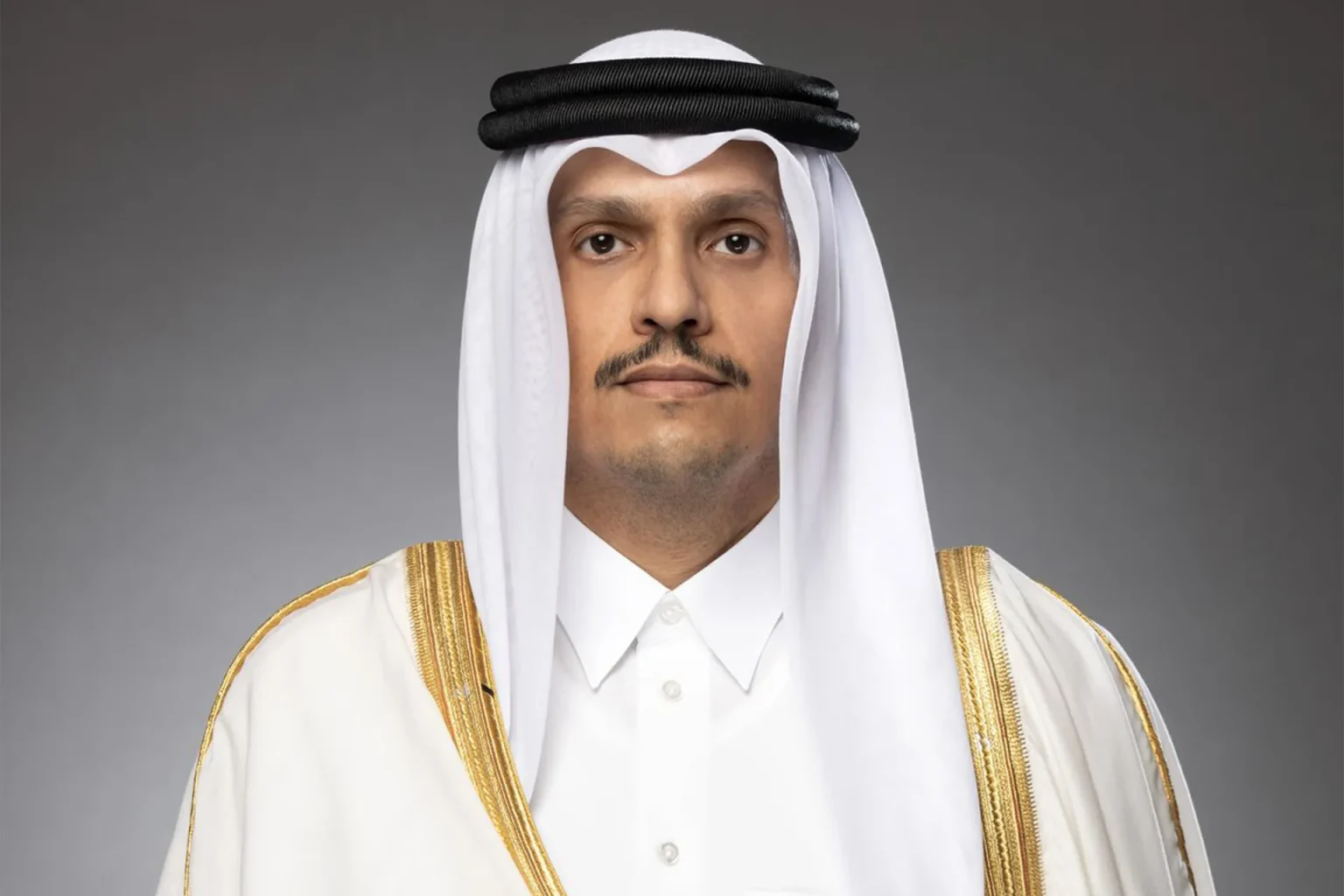
On September 25, 2026, Qatar’s Prime Minister and Foreign Minister, Sheikh Mohammed bin Abdulrahman Al Thani, firmly denied Israeli accusations that alleged the flow of Qatari funds to support the military wing of Hamas. In an interview with CNN, he emphasized that all financial assistance from Qatar was coordinated and approved by both the United Nations and successive Israeli governments.
Sheikh Mohammed outlined that Qatari aid was directed specifically towards three essential areas: purchasing gas to operate the Gaza power station, supporting underprivileged families through a list approved by Israel, and paying salaries to civilian employees based on vetted lists from Israeli security agencies. He described the Israeli claims regarding Hamas financing as baseless and unacceptable.
Israel’s Political Maneuvering Amidst Ongoing Conflict
During the discussion, the Qatari leader accused Israeli Prime Minister Benjamin Netanyahu of delaying efforts to reach a ceasefire and secure the release of detainees for political gain. Sheikh Mohammed claimed that the Qatari government was being used as a scapegoat in Netanyahu’s internal electoral disputes. These accusations bring to light the complex intersection of politics and humanitarian aid in the region, where allegations and diplomatic negotiations are closely intertwined.
In terms of the current situation in Gaza, Sheikh Mohammed stated that Israel continues to occupy over 70% of the territory, failing to adhere to the commitments outlined in the Sharm el-Sheikh Agreement. According to him, humanitarian aid entering Gaza has been severely restricted, allowing only 150 trucks daily instead of the 600 trucks stipulated in the agreement.
Qatar’s Stance on Regional Security and Economic Challenges
Qatar’s Prime Minister also addressed the broader geopolitical landscape, reaffirming Doha’s rejection of any form of blockade or intimidation exercised in the region. He stressed that a sustainable solution to the escalation of tensions requires a comprehensive security arrangement that guarantees the safety of all countries in the area.
Moreover, Sheikh Mohammed discussed the economic repercussions of the conflict, highlighting damage to liquefied natural gas facilities and the Al Udeid Air Base in Qatar. He reiterated Qatar’s commitment to transparency in disclosing the extent of these damages while simultaneously enhancing national defense capabilities. Qatar’s strategic partnership with the United States remains a focal point of its defensive posture.
Tackling Global Trade Route Manipulations
Turning to global trade, Sheikh Mohammed called for an end to the manipulation of maritime pathways, labeling the situation in the Strait of Hormuz as intolerable. He pointed out that the ongoing blockade is affecting both Iran and Gulf countries, underlining its global impact beyond regional confines. Qatar has been proactive in its diplomatic efforts to reposition the negotiation dialogues towards more constructive paths.
He further remarked that using maritime routes as a tool of pressure to enforce a status quo is unacceptable, indicating Qatar’s determination to steer diplomatic channels back on track.
Mediating U.S.-Iran Relations through Dialogue
In the context of diplomatic efforts, Sheikh Mohammed disclosed that indirect talks between Tehran and Washington had taken place recently, yielding progress. This reflects Qatar’s unique role as a mediator, striving to foster dialogue between the two nations. He expressed optimism, noting that there is apparent willingness from both parties to advance negotiations.
In earlier statements, the Qatari Prime Minister indicated that energy remains a strong point for the nation, while diversification is key to its resilience. He emphasized that Qatar will not allow short-term disruptions to dictate its strategic trajectory, highlighting ongoing investments in reforms to enhance resilience and generate new growth opportunities.
Conclusion: Looking Ahead
As the region continues to navigate complex political dynamics, Qatar’s proactive role in diplomatic mediation and humanitarian assistance remains crucial. All eyes will be on further negotiations between the U.S. and Iran, as well as potential shifts in Israeli-Palestinian relations, as Qatar seeks to maintain stability amid ongoing challenges. Stakeholders will be watching how these developments unfold in the coming weeks, particularly in light of Sheikh Mohammed’s emphasis on sustained dialogue and strategic partnership commitments.